
Last Updated: November 5, 2026
Quick Summary
The best tequila additives to avoid are glycerin, caramel coloring, oak extract, and sugar-based syrup, all permitted under the 1% rule. Each one masks what real agave should deliver, so check for 100% de Agave and a registered NOM number instead of trusting the label.
- Glycerin adds body and a slick texture that coats the tongue and fakes richness.
- Caramel coloring fakes age in minutes, so a dark reposado that tastes thin is suspect.
- The 1% rule permits additives without requiring producers to disclose which ones they used.
- Verify bottles by confirming 100% de Agave and the four-digit NOM number in the CRT registry.
- The finish test works best: real agave lingers and dries out, while added sugar fades fast.
Table of Contents
- What Tequila Additives Are and Why They Matter
- Glycerin, Caramel Coloring, and Oak Extract: The Additives to Avoid First
- How Additives Change Flavor, Mouthfeel, and Aged Appearance
- How to Verify Authentic Tequila Before You Buy
- Best Additive-Free Tequila Under $50 for Sipping and Mixing
- The Economics of Additive-Free Production and the Loopholes Beyond the 1%
- Choosing Your Next Additive-Free Bottle
- Frequently Asked Questions
What Tequila Additives Are and Why They Matter
Tequila additives are flavoring and coloring agents added after distillation to smooth rough edges, deepen color, or sweeten the finish. Under Mexican labeling rules, producers may add them to tequila up to a capped percentage of the total volume. That cap is the single most important thing to understand before you shop.
Here is the short answer: the best tequila additives to avoid are glycerin, caramel coloring, oak extract, and sugar-based syrup. Each one masks something the agave should have delivered on its own.
The Four Additives Allowed Under the 1% Rule
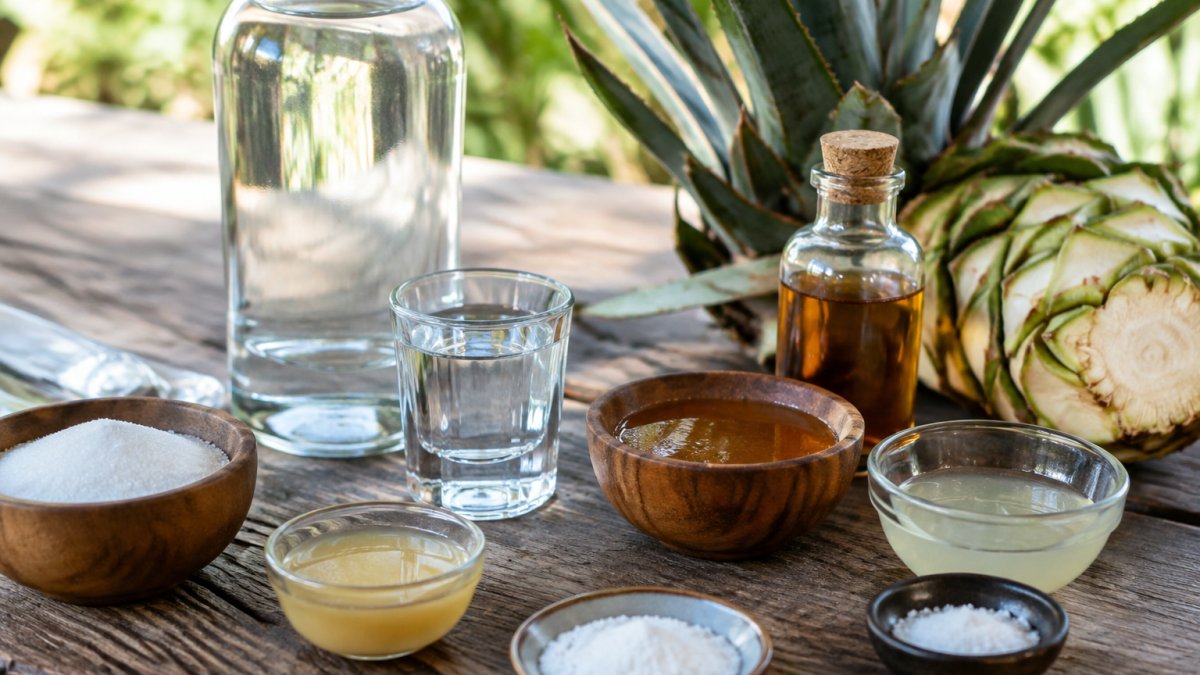
The 1% rule is the provision that permits a small percentage of the finished liquid to consist of permitted additives. Commonly cited categories include:
- Glycerin, which adds body and a slick texture
- Caramel coloring, which fakes age in a young spirit
- Oak extract, which mimics barrel contact without the years
- Sugar-based syrup, which softens bite and sweetens the finish
The Tequila Regulatory Council (CRT) oversees compliance with the standards that govern these categories. The rule exists, and it is legal. That is exactly why reading a label tells you so little.
Glycerin, Caramel Coloring, and Oak Extract: The Additives to Avoid First
Glycerin is the most common offender. It is a thick, nearly tasteless compound that coats the tongue and creates the illusion of a richer, rounder spirit. A blanco that feels unusually heavy and sweet on the palate is a suspect.
Caramel coloring is the great deceiver of the aged categories. A reposado or añejo should earn its amber tone through months or years in wood; caramel delivers that color in minutes. Watch out: a deep amber reposado that tastes thin and young is the classic tell.
Oak extract adds vanilla and toasted notes that read as barrel character without the time, cost, or evaporation losses real aging requires. On the palate it lands flat and one-dimensional.
Sugar-Based Syrup and Artificial Aromas
Sugar syrup, sometimes listed as cane sugar or agave nectar on producer documentation, is used to round off the harsh edges of a rushed distillation. It is why some inexpensive tequilas go down almost too easily.
Artificial aromas push the same trick further. Vanilla, citrus, and cooked-agave notes can all be reinforced in a lab.
The honest test is the finish. Real agave lingers, evolves, and dries out slowly. Added sugar and aroma fade fast and leave a faintly sticky sensation behind.
How Additives Change Flavor, Mouthfeel, and Aged Appearance
Additives change three things at once: the flavor profile, the mouthfeel, and the aged appearance of the bottle. Glycerin thickens texture. Caramel and oak extract darken color. Sugar and aromas soften the edges that make agave interesting in the first place.
The trade is always the same. You gain smoothness and lose character. A mass-produced bottle engineered for broad appeal tastes consistent from batch to batch, and that consistency is the point. A small-batch, additive-free tequila varies slightly because the agave varies.
Mouthfeel is the giveaway most drinkers miss. A clean blanco should feel crisp and slightly peppery, with a texture that thins out on the finish. A glycerin-heavy pour feels syrupy and stays that way.
How to Verify Authentic Tequila Before You Buy
Verifying authenticity comes down to three checks: the 100% de Agave statement, the NOM and CRT registration, and a look at the production notes behind the label. None of them is foolproof on its own, but together they filter out most of the noise.
Start with the bottle itself. Our guide on how to verify authentic tequila walks through each step, including how to read the CRT registry.
Reading the Label and the CRT Registry
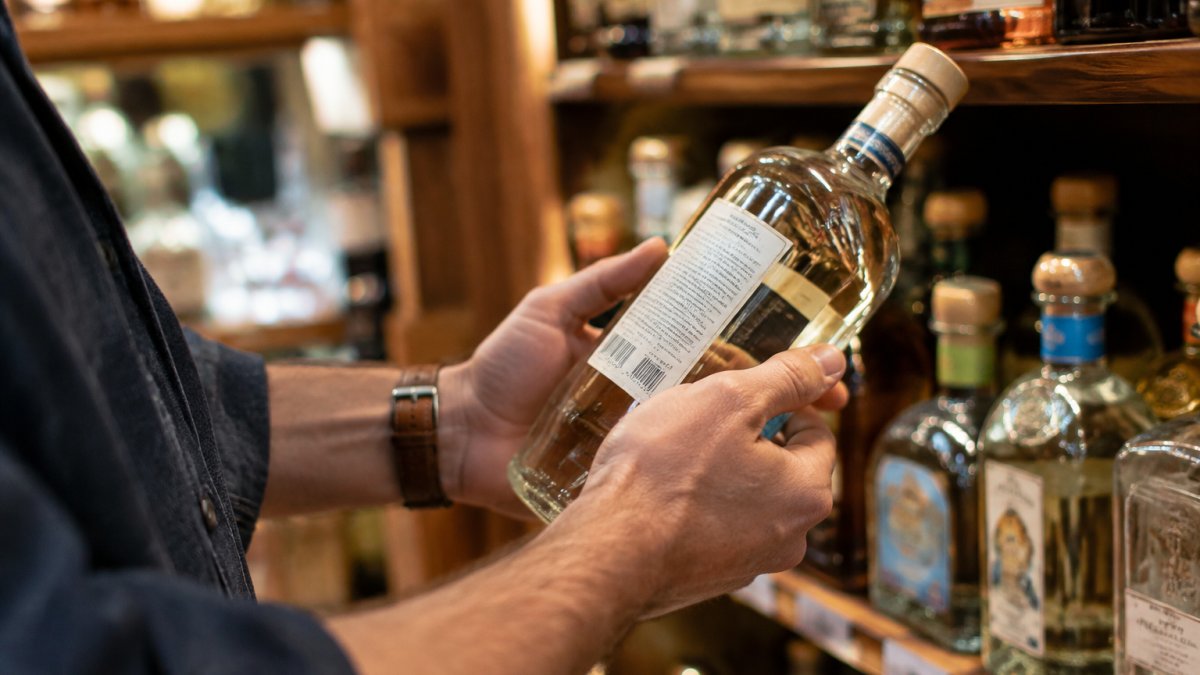
The label tells you the region, the agave percentage, and the distillery.
Cross-check the label against the producer’s own published information. Label literacy gets you to the shortlist. Production reputation gets you to the right bottle.
What the Label Cannot Tell You, and How Labs Fill the Gap
The 1% rule allows permitted additives without requiring the producer to name them, so a legally compliant label can describe a spirit that has been sweetened, colored, and rounded with oak extract. Developing a discerning eye for these hidden ingredients requires the same scrutiny applied when reading food labels to identify the synthetic shortcuts that compromise the integrity of a pure agave spirit.
Analytical testing is one way to examine what is in a bottle. Common methods include:
- Gas chromatography separates and identifies volatile aroma compounds. Added vanillin or artificial citrus notes show up as peaks that do not match the profile of a clean agave distillate.
- High-performance liquid chromatography is used to quantify sugars and sweeteners, which is how a syrup-adjusted spirit is distinguished from one with only the residual sugars of fermentation.
- Spectrophotometry measures color. A reposado that has spent minimal time in wood but reads dark amber is a candidate for caramel coloring, and the absorbance curve exposes the difference between barrel-derived and added color.
- Density and viscosity checks flag glycerin, which raises mouthfeel and body in ways a clean distillate does not.
Published third-party lab results can be a useful signal when you evaluate a label claim.
Watch out: a producer that publishes only a “no additives” marketing line, with no testing documentation and no production detail, is giving you a claim rather than evidence. A missing denial is not proof of additives, but a lack of any verifiable process is a reason to keep looking.
Building a Practical Verification Routine
Put the checks in order before you buy:
- Confirm 100% de Agave on the front or back label.
- Locate the four-digit NOM number and confirm the distillery in the CRT registry.
- Check whether the brand publishes production methods, cooking and extraction style, and water source.
- Look for third-party lab testing or independent verification, not just a marketing claim.
- Taste for the finish test: clean agave lingers and dries out; added sugar and aroma fade fast and leave a sticky sensation.
Steps one and two help confirm the basic label and registration details. Steps three and four help you compare how transparent a producer is. Step five is your own palate, and it gets sharper with every clean bottle you taste.
Best Additive-Free Tequila Under $50 for Sipping and Mixing
The best additive-free tequila under $50 is
| Bottle | Style | Best For | Why It Stands Out |
|---|---|---|---|
| Arette | Blanco | Everyday mixing | Estate-grown agave, budget-friendly |
| Tapatio | Blanco / Reposado | Bartenders | High-proof options, no sweeteners |
| G4 | Blanco | Mineral-forward sipping | Rainwater and spring water blend |
| LALO | Blanco | Clean, crisp sipping | Minimalist, pure agave focus |
| Tequila Ocho | Blanco / Reposado | Terroir study | Single-estate, vintage-dated |
| Cascahuín | Range | Technical precision | Traditional, verified additive-free |
| Siete Leguas | Blanco / Reposado | Traditionalists | Tahona and mill extraction |
| El Tesoro | Reposado / Añejo | Barrel-aged sipping | 100% tahona-crushed agave |
| Fortaleza | Blanco / Reposado | Connoisseurs | Stone tahona, copper pot stills |
For a deeper ranked list, our sipping-focused recommendations break down the bottles worth chasing first.
The Economics of Additive-Free Production and the Loopholes Beyond the 1%
Start with agave. A mature plant takes roughly six to eight years to reach the sugar content a producer wants, and it is harvested once, a long capital cycle with no early return.
Then there is the barrel. Aging in wood is not free storage: a barrel loses a meaningful share of its contents to evaporation over the years, a real cost the producer absorbs.
Small-batch distillation adds another layer. Lower-volume runs yield less per batch, and traditional extraction methods such as the stone tahona are slower and more labor-intensive than a roller mill. An additive-free house absorbs all of those costs rather than engineering them out.
The economics push toward shortcuts.
How the 1% Loophole Actually Works
The rule permits a small percentage of the finished liquid to consist of permitted additives, and it does not require the producer to disclose which ones.
The practical effect is that the regulation sets a ceiling, not a disclosure standard. Two bottles can both comply while one is essentially unadjusted agave spirit and the other is a carefully engineered product. The label looks the same. The liquid does not.
There is a second, quieter loophole in how the categories are defined. Because the permitted additives are broad categories rather than named compounds, a producer can adjust flavor and mouthfeel across several categories at once while staying under the overall cap.
Why Transparency Is the Real Filter
Verification therefore depends on the producer’s own transparency, not on the label. Producers who publish their production methods, agave sourcing, and testing are telling you something the regulation does not require. That voluntary disclosure is the strongest signal available to a shopper.
When a brand volunteers how it makes its spirit, believe them. When it hides behind the minimum legal disclosure, ask why. The economics explain the incentive to cut corners; the transparency record tells you whether a given producer took it.
Choosing Your Next Additive-Free Bottle
Choosing well means deciding what you want from the bottle before you read a single label.
Our FIN Tequila is crafted from 100% de Agave in Jalisco, Mexico. It sits alongside our molasses-based rum, aged in bourbon barrels in a family-owned Belizean distillery, for drinkers building a bar around transparency. Our rum supports conservation efforts in Belize.
Start with one verified bottle, taste it against your current favorite, and let the finish tell you the truth. When you are ready to commit, you can shop the FIN Tequila range and taste the difference a clean agave spirit makes.
Frequently Asked Questions
Which tequila has the least additives?
The cleanest bottles are those made with no additives at all, not just low levels. Look for 100% de Agave on the label and a producer that publicly states its production is additive-free. Check the producer’s published production details and testing information before you buy.
How can I tell if a tequila contains additives?
Start with the label: 100% de Agave is a baseline, but it does not guarantee additive-free. Look for brands that publicly state no additives and publish their production details. In the glass, warning signs include a thick, syrupy mouthfeel in a blanco, a vanilla or cake-batter aroma that does not match cooked agave, and a caramel color in a reposado that seems too dark for its age. A lab test is the only certain check, but these cues narrow the field fast.
Does 100% agave tequila mean it is additive-free?
No. A 100% de Agave label does not by itself confirm that a bottle is additive-free. To verify authentic tequila with no additives, you need a producer that explicitly commits to additive-free production, not just the agave percentage on the front label.
Are tequila additives considered harmful?
The bigger issue is transparency: additives can mask real agave flavor and can make a mass-produced spirit taste older or smoother than it is. If you want an honest flavor profile, choose additive-free bottles. If sulfites or specific colorings concern you, ask the producer directly, since labels are not required to disclose them.
What is the best additive-free tequila under $50?
Pricing varies by retailer, quantity, and date, so check current prices with your retailer. Confirm any bottle is additive-free from the producer’s published information rather than assuming it from the price.
The challenge is simple: most bottles on the shelf are legal, smooth, and quietly adjusted. Tiburon Rum gives you a 100% de Agave tequila with nothing to hide, plus a rum portfolio built on the same standard. Get started with Tiburon Rum and taste what agave and cane actually do when nobody interferes.
