
Table of Contents
- What Makes Premium Tequila Worth Sipping
- Top Premium Tequilas for Sipping Ranked
- 1. Tiburon Rum FIN Tequila, Best Overall Value for Discerning Drinkers
- 2. Don Julio 1942 Tequila Añejo, Best for Traditional Aged Character
- 3. Clase Azul Tequila Reposado, Best for Artisanal Craftsmanship
- 4. Herradura Selección Suprema Extra Añejo, Best for Maximum Complexity
- 5. Tequila Ocho Extra Añejo, Best for Terroir-Driven Sipping
- 6. Fortaleza Añejo, Best for Traditional Production Methods
- Quick Comparison Table
- How to Verify Authentic Tequila
- Understanding the Difference Between Tequila Añejo and Extra Añejo
- How to Choose the Right Premium Tequila for Your Palate
- Frequently Asked Questions
Last Updated: September 1, 2026
What Makes Premium Tequila Worth Sipping
Premium tequila for sipping comes down to production methods, agave quality, aging processes, and what ends up in the glass. At Tiburon Rum, we understand what discerning spirits enthusiasts seek: authenticity, craftsmanship, and transparency. While our expertise centers on handcrafted Caribbean rum, the same principles that define exceptional spirits apply across categories.
The foundation starts with 100% Blue Weber Agave, not cheaper mixto blends. This delivers the complex, agave-forward character that makes sipping tequila rewarding. Terroir matters too, where agave grows, soil composition, and altitude affect flavor development. Single-estate tequilas emphasize this transparency, signaling producer confidence.
Aging transforms tequila. Blanco skips aging, capturing bright agave notes. Reposado rests 2-12 months in oak, adding vanilla and caramel (crt.org.mx). Añejo sits 1-3 years, developing complex profiles (crt.org.mx). Extra Añejo exceeds 3 years, creating deep oak-aged character (crt.org.mx). Production method separates premium from ordinary: traditional tahona crushing, small-batch fermentation, and copper pot still distillation preserve agave character. Additive-free production means no artificial flavoring, coloring, or sweetening.
Premium tequila for sipping isn’t just older tequila. It’s the combination of 100% Blue Weber Agave, transparent sourcing, traditional production, and honest aging that creates a spirit worth savoring neat.
Top Premium Tequilas for Sipping Ranked
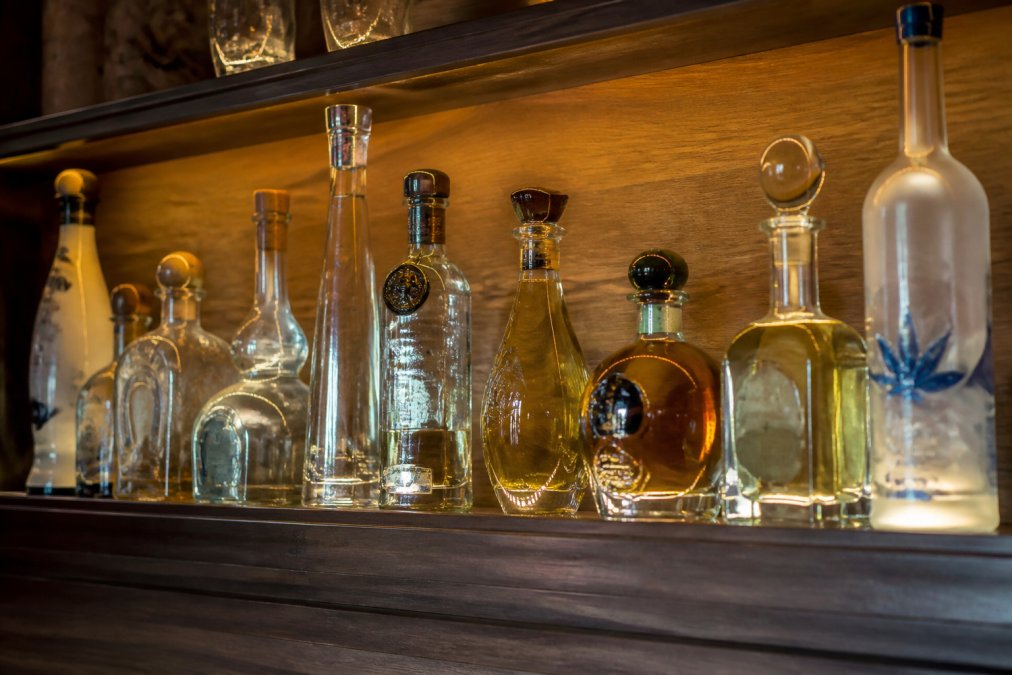
The premium tequila market offers genuine options for different preferences and budgets. These six bottles represent the range of what exceptional tequila can be.
1. Tiburon Rum FIN Tequila, Best Overall Value for Discerning Drinkers
Tiburon Rum’s FIN Tequila, crafted from 100% de Agave in Jalisco, Mexico, brings the same commitment to quality and transparency that defines our Caribbean rum program. Made without additives and aged with intention, FIN Tequila delivers the smooth finish and authentic agave character that premium tequila demands. Every bottle supports marine preservation efforts in Belize, meaning your purchase funds real environmental work while you enjoy exceptional spirits.
FIN Tequila offers versatility for home mixologists and cocktail hobbyists. It holds its own in complex drinks yet reveals its character when sipped neat.
Pros:
- 100% agave, additive-free production
- Conservation-backed brand with transparent impact
- Versatile for sipping and mixing
- Handcrafted with family-owned distillery principles
Cons:
- Smaller production means limited availability in some regions
- Positioned against ultra-luxury brands with deeper distribution
Discerning drinkers aged 30+ who prioritize quality, authenticity, and environmental impact over luxury branding alone.
2. Don Julio 1942 Tequila Añejo, Best for Traditional Aged Character
Don Julio 1942 represents the benchmark Añejo tequila for sipping. Aged for a minimum of two and a half years in American white oak barrels, this small-batch expression delivers the balanced, complex profile that defines mature tequila. Extended oak aging achieves notes of caramel, vanilla, and warm oak, creating a smooth, approachable sipping experience. The mouthfeel carries weight without harshness, and the finish lingers with gentle oak and subtle agave.
Pros:
- Widely recognized and respected across the industry
- Consistent quality and reliable flavor profile
- Elegant presentation suitable for gifting
- Excellent introduction to aged tequila
Cons:
- Higher price point reflects brand recognition as much as production quality
- Availability varies by region
- Less distinctive than smaller-batch alternatives

3. Clase Azul Tequila Reposado, Best for Artisanal Craftsmanship
Clase Azul commands attention before you taste it. Each ceramic decanter is handmade and hand-painted by artisans. Made from 100% Tequilana Weber Blue Agave and aged eight months in American whiskey barrels, Clase Azul Reposado achieves exceptional smoothness. The shorter aging preserves agave character while allowing oak to add complexity. Cooked agave, vanilla, and caramel notes create a balanced profile that rewards sipping neat.
Pros:
- Exceptional smoothness and balanced flavor
- Stunning artisanal bottle design
- Ultra-premium positioning with justified quality
- Strong appeal for collectors and gift-givers
Cons:
- Premium price point reflects bottle artistry
- The elaborate ceramic decanter can be bulky for storage
- Emphasis on presentation over pure spirit character

4. Herradura Selección Suprema Extra Añejo, Best for Maximum Complexity
Herradura Selección Suprema was the world’s first Extra Añejo tequila, aged for 49 months. Extended maturation creates genuine depth. The rich, dark amber color signals what’s inside. Complex, layered flavors, cooked agave, spice, and floral undertones, create a profile that evolves across the palate. The smoothness rivals aged whiskey, with a finish that lingers with warmth and sophistication.
Pros:
- Pioneering Extra Añejo with proven track record
- Exceptional complexity and depth from 49-month aging
- Numerous awards and industry accolades
- Smooth, refined character suitable for serious enthusiasts
Cons:
- Very high price point limits accessibility
- Limited availability due to extended aging and small production
- May be difficult to find specific batches

5. Tequila Ocho Extra Añejo, Best for Terroir-Driven Sipping
Tequila Ocho takes a distinctive approach: single-estate, single-vintage tequila where the exact agave field and harvest year appear on every label. This transparency reflects confidence and allows drinkers to experience how terroir shapes tequila character. Aged three years in ex-American whiskey barrels, Ocho Extra Añejo balances oak influence with agave expression. The additive-free, sustainable production preserves natural character. You taste the agave first, with oak as supporting player. The finish carries peppery notes and subtle complexity.
Pros:
- Single-estate, single-vintage transparency
- Additive-free production ensures pure agave character
- Well-balanced aging that enhances rather than overwrites agave
- Strong appeal for sustainability-conscious drinkers
Cons:
- Can be difficult to find specific field or vintage
- Higher price point reflects transparency commitment
- Less widely distributed than larger brands
6. Fortaleza Añejo, Best for Traditional Production Methods
Fortaleza represents old-school tequila craftsmanship. Made from 100% Blue Weber agave using traditional methods, including stone mill (tahona) crushing, this small-batch Añejo prioritizes authenticity. Aged in American oak barrels, it develops notes of caramel, vanilla, butterscotch, and cooked agave. The flavor emphasizes richness and depth without polished smoothness. This is tequila that tastes like tequila, agave-forward, complex, and honest.
Pros:
- Celebrated for authentic, additive-free taste
- Traditional production methods preserve agave character
- Strong reputation among tequila aficionados
- More accessible pricing than ultra-premium competitors
Cons:
- High demand can make it challenging to find
- Smaller production means limited availability in some markets
- Pricing can fluctuate based on supply

Quick Comparison Table
| Tequila | Type | Aging | Best For | Standout Feature |
|---|---|---|---|---|
| Tiburon Rum FIN Tequila | 100% Agave | Aged with intention | Quality-conscious drinkers, conservation-minded | Conservation impact, versatile sipping/mixing |
| Don Julio 1942 | Añejo | 2.5+ years | Traditional aged character | Iconic bottle design, industry benchmark |
| Clase Azul Reposado | Reposado | 8 months | Artisanal craftsmanship seekers | Handcrafted ceramic decanter |
| Herradura Selección Suprema | Extra Añejo | 49 months | Maximum complexity seekers | Pioneer Extra Añejo category |
| Tequila Ocho Extra Añejo | Extra Añejo | 3 years | Terroir enthusiasts | Single-estate, single-vintage transparency |
| Fortaleza Añejo | Añejo | 1-3 years | Traditional production advocates | Tahona crushing, additive-free |
How to Verify Authentic Tequila
Authenticity matters because counterfeit and substandard tequila flood the market. The NOM number is your first verification tool. Every legitimate tequila producer receives a Norma Oficial Mexicana (NOM) number, printed on the bottle. This four-digit code identifies the specific distillery. You can verify it through official registries, confirming the bottle came from the claimed producer.
Check the agave content. Premium tequila should state “100% Agave” or “100% Tequilana Weber Blue Agave” on the label. Anything less is mixto tequila, which blends agave with other sugars and delivers less complex flavor.
Examine the bottle for quality indicators. Premium tequila typically comes in substantial glass bottles with clear labeling and professional presentation. The label should include the distillery name, NOM number, aging classification, and alcohol content. Handwritten or poorly printed labels suggest lower quality.
Research the producer. Established, family-owned distilleries with transparent production methods command respect. Look for information about aging facilities, production techniques, and sourcing practices. Legitimate premium producers publish this information because they’re proud of their work.
Cross-reference the NOM number on the bottle with the official Consejo Regulador del Tequila database. This takes two minutes and confirms whether the producer and distillery match what’s claimed on the label.
Understanding the Difference Between Tequila Añejo and Extra Añejo
Tequila Añejo is aged between one and three years in oak barrels. During this period, the spirit absorbs color, develops vanilla and caramel notes, and gains smoothness. The agave character remains prominent while oak adds complexity and warmth. Añejo represents the sweet spot for many drinkers: mature enough to be sophisticated, young enough to retain agave identity.
Extra Añejo exceeds three years of aging, often reaching four, five, or beyond. At this point, oak influence becomes dominant. The spirit develops dark amber color, rich caramel and vanilla notes intensify, and the finish carries sustained oak warmth. The agave character recedes.
The choice depends on your palate. If you want to taste the agave with oak as accompaniment, Añejo delivers that balance. If you prefer oak-forward character with subtle agave undertones, Extra Añejo satisfies that preference. Extra Añejo commands higher prices because extended aging ties up inventory and requires more barrel space.
Añejo emphasizes balanced agave and oak; Extra Añejo emphasizes oak influence with receding agave character. Neither is objectively better, it’s about which profile you prefer to sip.
How to Choose the Right Premium Tequila for Your Palate
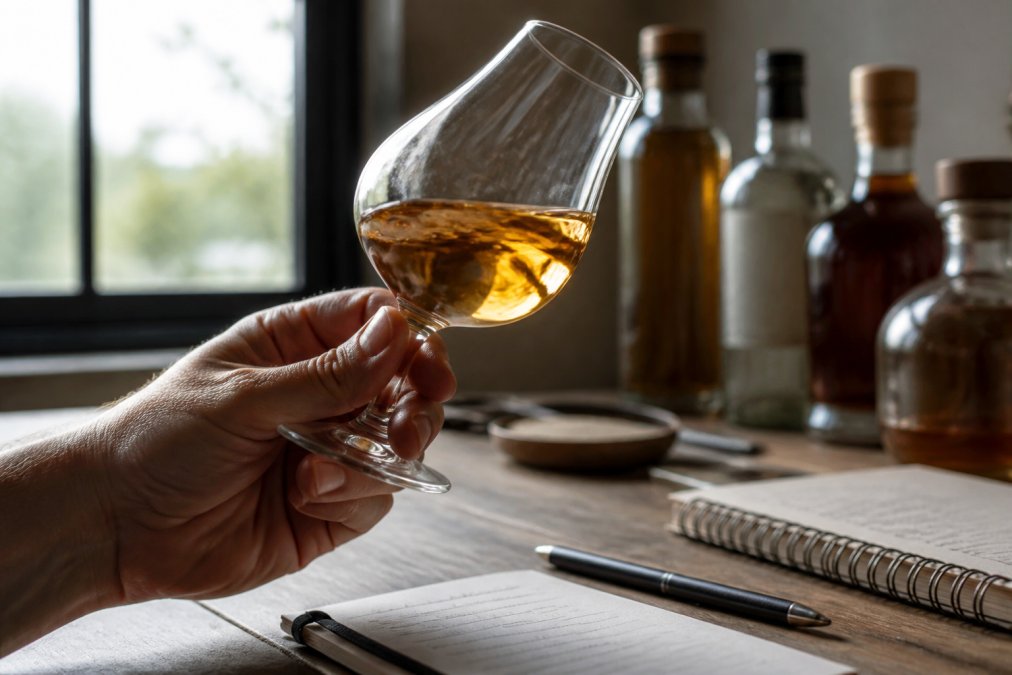
Start with aging preference. Do you prefer bright, agave-forward character or oak-driven smoothness? Blanco and Reposado emphasize agave. Añejo and Extra Añejo emphasize oak. If you’re drawn to agave purity, Tequila Ocho or Fortaleza make sense. If you prefer oak-aged character, Don Julio 1942 or Herradura deliver that profile.
Consider production transparency. Does knowing the exact field and harvest year matter to you? If transparency and craftsmanship influence your decision, Tequila Ocho and Fortaleza lead. If you prioritize consistent flavor and brand reputation, larger producers like Don Julio satisfy that need.
Evaluate your budget honestly. Premium tequila ranges from accessible premium to ultra-luxury pricing. Fortaleza Añejo delivers exceptional quality at lower cost than Clase Azul or Herradura. Tiburon Rum’s FIN Tequila offers premium quality with conservation impact. Quality exists across the range.
Think about usage. Will you sip this neat exclusively, or do you want versatility for cocktails? Tiburon Rum FIN Tequila and Don Julio 1942 handle both applications. Clase Azul Reposado and Tequila Ocho are best reserved for neat sipping.
Test before committing. If possible, taste a sample before buying a full bottle. Many bars and tasting rooms offer premium tequila by the pour, letting you experience the spirit before investing.
Finally, trust your palate. If a bottle doesn’t appeal to you despite critical acclaim, that’s valid. Premium tequila should bring genuine pleasure.
Choosing premium tequila for sipping means prioritizing authenticity, production quality, and honest aging over marketing and price alone. The bottles ranked here represent different expressions of what exceptional tequila can be, from traditional tahona-crushed spirits to innovative single-estate approaches.
At Tiburon Rum, we believe the same principles that guide our Caribbean rum production apply across premium spirits: respect for raw materials, transparent sourcing, and commitment to quality that stands up to scrutiny.
Experience premium tequila for sipping with intention. Visit Tiburon Rum’s website for FIN Tequila details and conservation impact information to explore how quality spirits and environmental stewardship align.
Frequently Asked Questions
Which tequila is the best for sipping in 2026?
The best premium tequila for sipping depends on your flavor preferences and budget. Don Julio 1942 offers excellent balance and complexity at a mid-premium price, while Herradura Selección Suprema delivers exceptional smoothness from 49 months of aging for connoisseurs. Tequila Ocho stands out for those who value terroir and additive-free production. Each represents a different approach to craftsmanship and aging, so the ‘best’ choice aligns with whether you prefer oak-forward warmth, agave-forward character, or balanced complexity.
How do you identify authentic 100% de Agave tequila?
Look for the NOM number on the bottle’s back label, a four-digit code that identifies the specific distillery. Verify the NOM at the Consejo Regulador del Tequila (CRT) database to confirm the distillery’s legitimacy. Check that the label states ‘100% Agave’ or ‘100% de Agave’ rather than just ‘Tequila,’ which may contain added sugars. Authentic tequilas list their production methods and aging classification (Blanco, Reposado, Añejo, or Extra Añejo). Avoid bottles with vague labeling or missing NOM numbers, as these indicate potential counterfeits.
What is the difference between Tequila Añejo and Extra Añejo for sipping?
Añejo tequila is aged 1-3 years in oak barrels, developing warm vanilla, caramel, and oak notes while retaining agave character. Extra Añejo, aged over 3 years (often 4-5+ years), becomes darker, smoother, and more complex with deeper caramel, chocolate, and spice undertones. Extra Añejo offers a richer, more refined sipping experience but at a significantly higher price. Añejo provides excellent balance for those seeking aging benefits without extreme smoothness. Choose Añejo for complexity and value, Extra Añejo for maximum smoothness and depth.
What should I look for in a premium tequila bottle?
Check for 100% Blue Weber Agave on the label, a valid NOM number, and the distillery name. Premium bottles should specify their aging classification and production methods, such as traditional tahona crushing or modern diffuser processing. Look for additive-free claims if purity matters to you. The bottle design and presentation, while secondary to quality, often reflect a brand’s commitment to craftsmanship. Price alone doesn’t guarantee quality, but established distilleries with strong reputations typically deliver consistent, well-balanced spirits suitable for sipping neat.
This article was written using GrandRanker