
Last Updated: November 8, 2026
Quick Summary
An aged rum collection is built slowly, starting with two or three bottles that taste clearly different in style, age, and origin rather than many similar-looking ones. Learn what barrel aging adds before buying more. Verify age statements on the label, since solera and “up to” claims can mean something other than the age you expect.
- Start with two or three bottles that taste different from each other.
- Barrel aging adds color, vanilla and caramel notes, and a smoother finish.
- A single-age statement should be checked for whether it reflects the youngest rum or an average.
- Solera and “aged up to” wording describes the oldest component, not the whole bottle.
- Buy one bottle per style family and taste them side by side for faster learning.
Table of Contents
- Why Start an Aged Rum Collection Now
- How Rum Is Made and What Aging Changes
- How Long Should Rum Be Aged?
- How to Verify Age Statements and Authentic Bottles
- Choosing Starter Bottles and Aged Rum Brands
- Building Your Collection by Style, Region, and Budget
- Storing Bottles and Tracking Your Tasting Notes
- Your Next Step: Pick Your First Three Bottles
- Frequently Asked Questions
Why Start an Aged Rum Collection Now
Building an aged rum collection is one of the most rewarding ways to explore the spirit, and it starts with a single bottle. The best collections grow slowly, one carefully chosen bottle at a time. A good aged rum collection tells the story of where rum comes from, how it was made, and what the aging process did to it.
Most people who start a collection make the same mistake: they buy too many bottles that look impressive and taste alike. A smarter approach is to choose a few bottles that show clear differences in style, age, and origin.
- Start with two or three bottles that taste different from each other
- Learn what aging adds before buying more
- Keep notes so you remember what you liked
How Rum Is Made and What Aging Changes
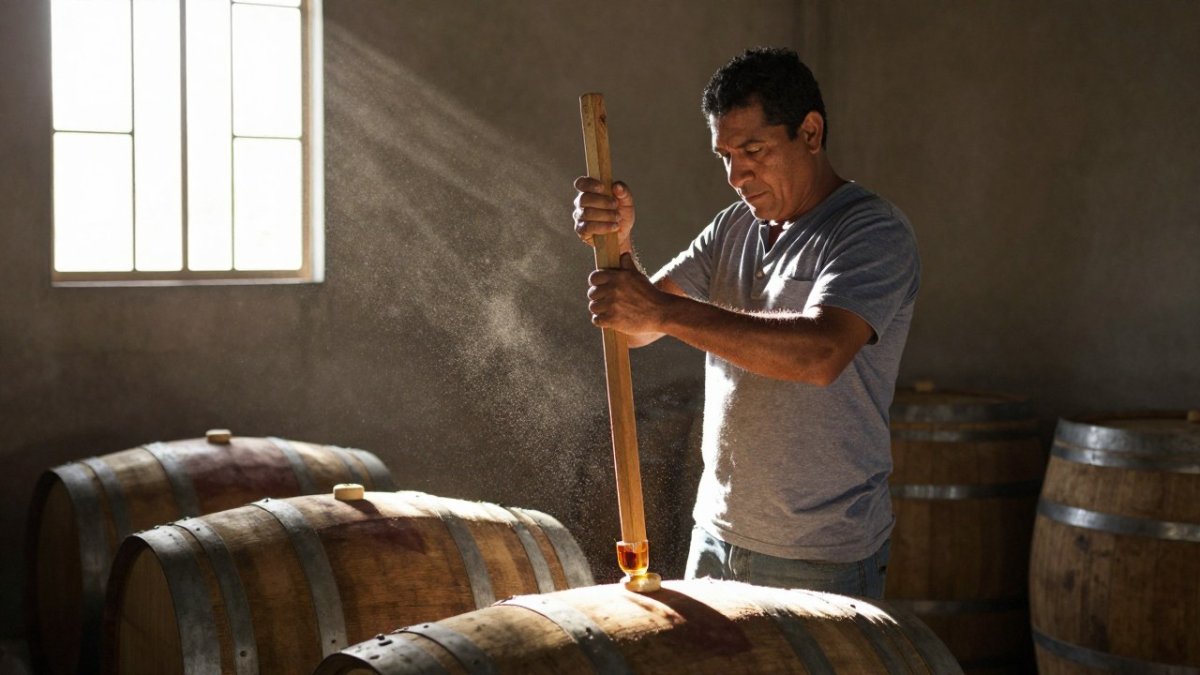
Rum is a distilled spirit made from sugarcane products such as molasses or fresh cane juice. Fermentation turns those sugars into alcohol, and distillation concentrates the flavor. Many producers then age the spirit in wooden barrels, which is where much of the color and character comes from.
Aging changes rum in predictable ways. Oak barrels add color, vanilla and caramel notes, and a smoother finish. To see how production scale shapes these differences, read small batch rum vs mass produced: key differences.
- Fermentation builds the base flavor
- Distillation sets the strength and purity
- Barrel aging adds color, sweetness, and smoothness
How Long Should Rum Be Aged?
There is no single correct age for rum. Many rums are aged for a few years, while some are aged much longer. Longer aging usually brings more oak character, but it does not automatically mean better quality. The right age depends on the style you enjoy and how you plan to drink the rum.
A common approach is to compare a younger rum and an older rum from the same producer. Once you are ready to move beyond starter bottles, the connoisseur-level rum guide covers more sophisticated options. This shows you how much the extra years change the taste. Aged rum brands often publish their age range, so check the label before you buy.
How to Verify Age Statements and Authentic Bottles
Age claims are where aged rum collections go wrong most often, because a number on a label can mean several different things. A straight age statement, “Aged 8 Years,” for example, is a claim the bottler is accountable for, and age statements on distilled spirits are expected to be truthful and not misleading (Distilled Spirits Labeling). That is the floor, not a guarantee of quality, so treat the label as a starting point for verification rather than proof.
Three claim types cause the most confusion:
- Single-age statements. The bottle says one number. Ask whether that number reflects the youngest rum in the blend or an average. Most reputable producers will tell you, and many print “youngest” or “minimum age” on the back label.
- Solera and fractional-blending claims. A solera system moves rum through a stack of barrels, blending older and younger liquid. A solera bottle may carry an age number that reflects the oldest barrel in the system, not the average age of what is in your glass. This is legal when disclosed clearly, but it is not the same promise as a single-age statement.
- Blended or “up to” ages. Wording like “aged up to 12 years” describes the oldest component, not the whole bottle. Read it as a ceiling, not a floor.
A practical verification routine:
- Photograph the front and back labels and compare the producer name, bottling location, and proof against the producer’s official site.
- Look for a lot code or bottle code and check whether the producer publishes a way to look it up.
- Confirm the stated country of origin matches the style the label claims, a Jamaican-style funk claim on a bottle with no Jamaican production details deserves a second look.
- Keep the receipt until you have tasted the bottle.
- For any bottle priced well above its peers, ask the retailer to confirm the age claim in writing before you commit.
Watch out: a high price is not evidence of age.
Authenticity also covers the physical bottle. Check that the closure seal is intact, that the fill level sits at or near the shoulder for an unopened bottle, and that the label print quality is crisp. Counterfeit and refilled bottles exist at the high end, and a mismatched cap or a soft, photocopied label is a reason to walk away.
Before you buy, check what the age number on a label actually promises.
| Claim type | What it means | What to check |
|---|---|---|
| Single-age statement | One number on the bottle | Whether it reflects the youngest rum or an average |
| Solera / fractional blend | Age may reflect the oldest barrel | Whether the producer discloses the blending clearly |
| “Aged up to” wording | Describes the oldest component | Read it as a ceiling, not a floor |
| Unusually high price | Not evidence of age | Ask the retailer to confirm the age in writing |
Choosing Starter Bottles and Aged Rum Brands
Starter bottles should be easy to enjoy neat, on the rocks, or in a simple cocktail. Look for a bottle that shows the core character of aged rum without being too intense. Once you know what you like, you can move on to more complex bottles. Developing a refined palate for these nuances requires a disciplined approach to sensory analysis, a skill often refined through the methodology practiced at GreatDrams.
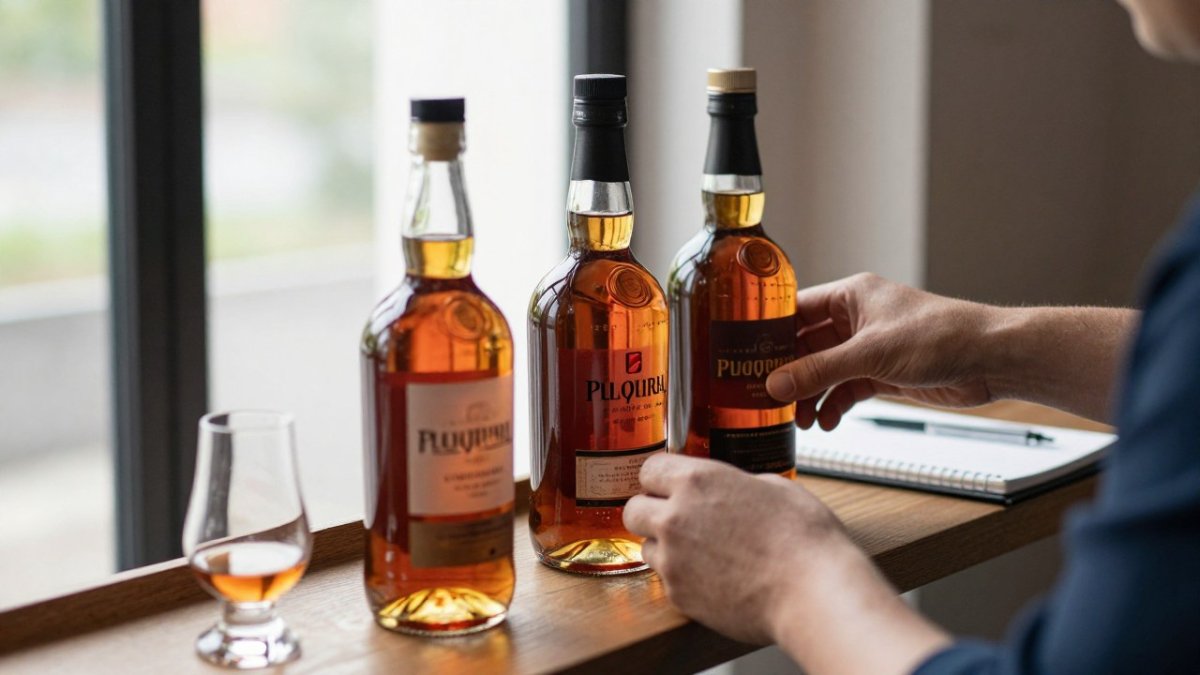
Tiburon Rum offers a molasses-based rum aged in bourbon barrels, which gives a smooth finish with tropical vanilla notes. For a wider set of options to compare against, see essential bottles for a home bar.
- Pick one bottle for sipping and one for mixing
- Choose a style you already enjoy as a starting point
- Add one new style each time you buy
Building Your Collection by Style, Region, and Budget
A collection that teaches you something is organized along three axes: style, region, and budget. Most beginners buy along one axis only, usually price, and end up with a shelf of bottles that taste nearly identical. Build along all three and every purchase adds a comparison you can actually taste.
Style. Aged rum generally falls into a few practical buckets for a collector:
- Column-still, lighter styles, clean, cane-forward, and easy to sip; good reference points for learning what oak adds without heavy distillate character in the way.
- Pot-still and heavier styles, more ester and funk, often Jamaican; these are the bottles that make a collection interesting and are best bought in small numbers because a little goes a long way.
- Molasses-based bourbon-barrel-aged styles, the most common entry point, with vanilla and caramel from the cask; a good baseline bottle for comparing everything else against.
- Cane-juice and agricole-adjacent styles, grassy and vegetal; useful as a contrast bottle even if you only own one.
Region. Treat region as a shorthand for flavor family, not a guarantee. Jamaican rum is commonly described as funky; Barbados is often associated with a balanced profile; Guyana with heavier, darker character; and the French Caribbean with cane-forward, grassy notes. You do not need a bottle from every region, one representative bottle per style family is enough to start making comparisons.
Budget. A workable framework is to split your annual rum spend into three tiers rather than buying at random:
- Everyday tier (the bulk of your spend). Bottles you will actually open and pour regularly. This is where you learn, so most of your money belongs here.
- Comparison tier (a smaller share). One or two bottles a year chosen specifically to contrast with something you already own, same region, different age, or same age, different style.
- Special-occasion tier (the smallest share). A single bottle you buy deliberately, after you can explain to yourself what it adds to the collection.
A common pattern among collectors is to spend the majority of the budget on the everyday tier and reserve only a small fraction for the special-occasion tier, so the collection stays drinkable rather than becoming a display shelf. For a higher-end complement, see ranked premium tequila for sipping.
A practical first-year plan:
- Buy one baseline molasses-based, bourbon-barrel-aged bottle.
- Add one Jamaican or other pot-still bottle as a contrast.
- Add one bottle from a different region to test whether region predicts your taste.
- Only then buy a second bottle in whichever category you enjoyed most.
Watch out: buying several bottles from the same producer in the same style is the most common way a new collection stalls, you spend money without learning anything new. One bottle per style family, tasted side by side, teaches more than five bottles that taste alike.
Storing Bottles and Tracking Your Tasting Notes
Store bottles upright in a cool, dark place away from direct sunlight and heat. Keep the caps tight and avoid frequent temperature swings.
Tasting notes make your collection more useful. Write down the date, the bottle, the serving style, and three words that describe the aroma and taste. Over time, these notes show patterns in what you enjoy.
- Record the bottle name, age, and proof
- Note aroma, sweetness, oak, and finish
- Rate each bottle so you can compare later
Your Next Step: Pick Your First Three Bottles
Start small and make your first choices with care. Pick one bottle for sipping, one for mixing, and one that shows a different style or region. Read the labels, check the producer details, and write your first tasting notes.
Ready to begin? Explore Tiburon Rum and choose your first bottle today.
Frequently Asked Questions
How can you tell whether an aged rum is authentic?
Start with the label. Look for a clear age statement, bottling information, and the distillery or bottler named on the bottle. Vague terms such as ‘reserve’ or ‘aged’ without a number tell you little. Compare the stated age and proof with the producer’s own website and independent reviews, and be cautious of bottles with no traceable origin.
What should beginners look for when buying aged rum?
Beginners do best with a small set of bottles that differ in one clear way, such as a lighter, a medium, and a richer barrel-aged style. Check the age statement, proof, and whether the rum was aged in American oak. Read tasting notes from several sources, then taste neat before deciding what to add to a cocktail. Buying one bottle at a time keeps spending predictable while you learn your preferences.
How should you store bottles in a rum collection?
Store bottles upright in a cool, dark place with fairly steady temperatures. Direct sunlight and heat can degrade the spirit and the label over time. Keep bottles upright so the cork or closure stays dry and sealed, and keep the caps tight after each pour. A closet or cabinet away from appliances works well for most collections.
What information should you record for each bottle?
Record the brand, expression name, age statement, proof, purchase date, price paid, and the date you opened it. Add a short tasting note covering aroma, palate, and finish, plus a rating on your own scale. Over time these records show which styles you enjoy and help you decide which bottles to buy next.
