
Last Updated: October 30, 2026
Quick Summary
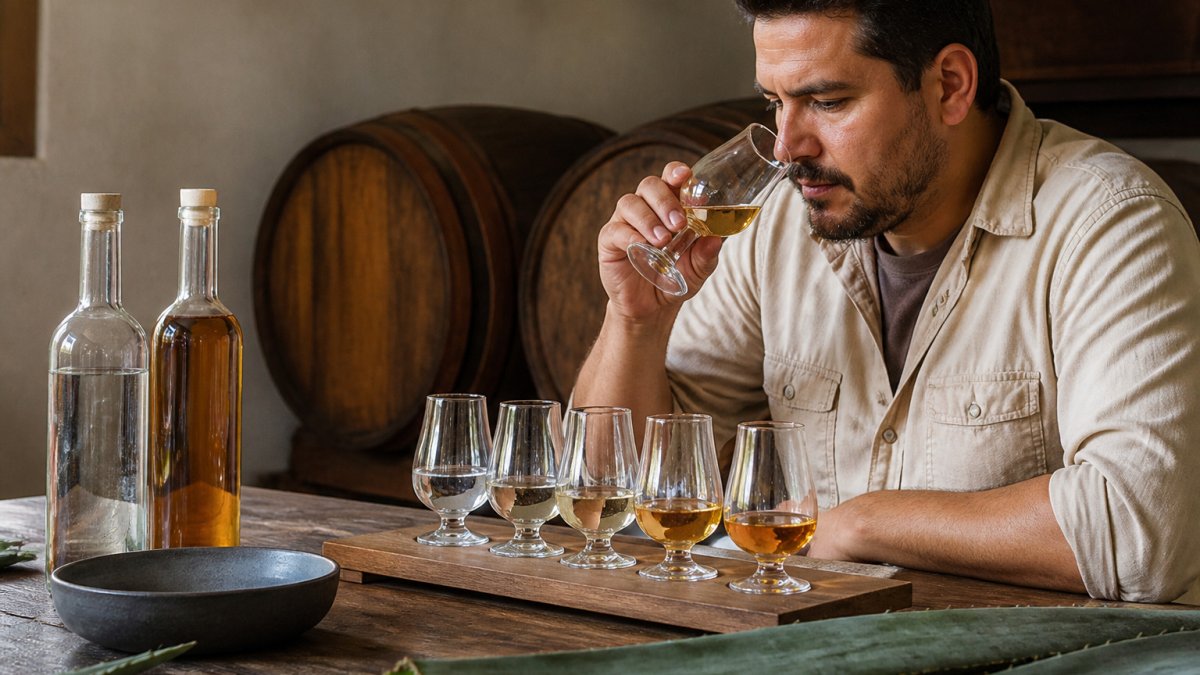
Tasting agave spirits starts with knowing what you are pouring: tequila, mezcal and sotol all share a Mexican heritage but differ in plant, cooking and distillation. Use a repeatable method of looking, smelling, sipping small and noting the finish, with water and plain crackers between samples. Begin with a three-spirit flight, tasted from lightest to most intense.
- Tequila is made mainly from blue agave, while mezcal can use many agave species and is often pit-cooked for smokiness.
- Smell each spirit before tasting, noting whether smoke comes forward first.
- Avoid strong coffee, cigarettes, mint or spicy food for at least 30 minutes before tasting.
- Pour samples of about half an ounce and keep a three-spirit flight to keep your palate fresh.
- Wait at least one minute between samples and rinse with water or a bite of plain cracker.
Table of Contents
- What Agave Spirits Are and How They Differ
- Tequila vs Mezcal: How to Tell Them Apart in the Glass
- How Agave Variety, Production and Terroir Shape Flavor
- Preparing Your Palate and Setting Up a Tasting
- A Repeatable Step-by-Step Method for Tasting Agave Spirits
- Writing Agave Spirits Tasting Notes with a Simple Template
- Choosing Your First Bottle and Serving Responsibly
- Frequently Asked Questions
What Agave Spirits Are and How They Differ
Agave spirits are distilled drinks made from the cooked and fermented sugars of agave plants, a succulent native to Mexico, and learning the basics is the first step toward tasting agave spirits with confidence. Before you buy, you can read how to verify authentic tequila to confirm what you are getting.
If you are new to these spirits, the category can feel crowded. A bottle labeled “agave” may be tequila, mezcal or something else entirely, so it helps to know what each name legally and practically means before you pour.
Tequila, Mezcal and Sotol at a Glance
Tequila is made primarily from blue agave grown in designated regions of Mexico, most notably Jalisco. Mezcal can be made from many agave species and is often cooked in earthen pits, which gives it a smoky character. Sotol comes from a different plant, Dasylirion, which is not an agave at all, but it is commonly grouped with these spirits because of its shared Mexican heritage and similar tasting approach.
Tequila vs Mezcal: How to Tell Them Apart in the Glass
The most common beginner question is how to tell tequila from mezcal once it is poured. Tequila tends to taste cleaner and more citrusy, with pepper, vanilla or cooked-agave sweetness, especially in blanco expressions.
Use this simple test on your next tasting:
- Pour a small sample of each into separate glasses.
- Smell them before tasting and note whether smoke comes forward first.
- Taste a few drops and compare the finish, which is the flavor that lingers after you swallow.
Neither style is better. Tequila and mezcal reward different preferences, and a clear sense of which one you enjoy is the first step in building your palate.
How Agave Variety, Production and Terroir Shape Flavor
Flavor is the core of tasting agave spirits, and it comes from several sources working together. The agave species sets the baseline.
Production choices then amplify or soften those characteristics. Cooking method, fermentation and distillation all affect what reaches your glass. Terroir, the influence of growing conditions such as soil, altitude and climate, also plays a role, though its effect is harder to isolate.
Preparing Your Palate and Setting Up a Tasting
A good tasting starts before the first pour. Avoid strong coffee, cigarettes, mint or spicy food for at least 30 minutes, since these can mask subtle flavors.
Set up a small, quiet space with good light and a clean glass for each spirit. Documenting these sensory impressions helps build a foundation for choosing spirit pairings that complement the complex flavor profiles of your favorite agave expressions.
Build a Beginner Tasting Flight
A flight is a small set of samples tasted side by side. For a first flight, keep it to three spirits so your palate stays fresh. A practical progression:
- Start with a blanco tequila to establish a clean, cooked-agave baseline.
- Move to a lightly smoky mezcal (often made from espadín agave) to see how pit cooking changes the profile.
- Finish with a sotol or a second mezcal made from a different agave variety to compare earthiness and herbal notes.
If you want to compare production styles rather than categories, taste two tequilas side by side: one blanco and one reposado. The aged expression will show vanilla, caramel and wood notes that the blanco does not.
Palate Resets Between Samples
- Sip room-temperature water between each spirit.
- Take a bite of plain cracker or a slice of green apple to clear residual flavor.
- Wait at least one minute before the next pour.
- If you are tasting several spirits, spit rather than swallow to keep your palate sharp.
Serving Sizes and Pacing
A half-ounce pour is enough to evaluate a spirit. For a three-spirit flight, that is about 1.5 ounces total, which keeps the session manageable. Never feel pressure to finish a sample; the goal is to taste, not to drain the glass. If you are hosting, offer water and food, and make sure guests have a safe ride home.
A structured flight of three spirits, tasted lightest to most intense with water and cracker resets, gives you a fair comparison and a repeatable way to build your palate.
A Repeatable Step-by-Step Method for Tasting Agave Spirits
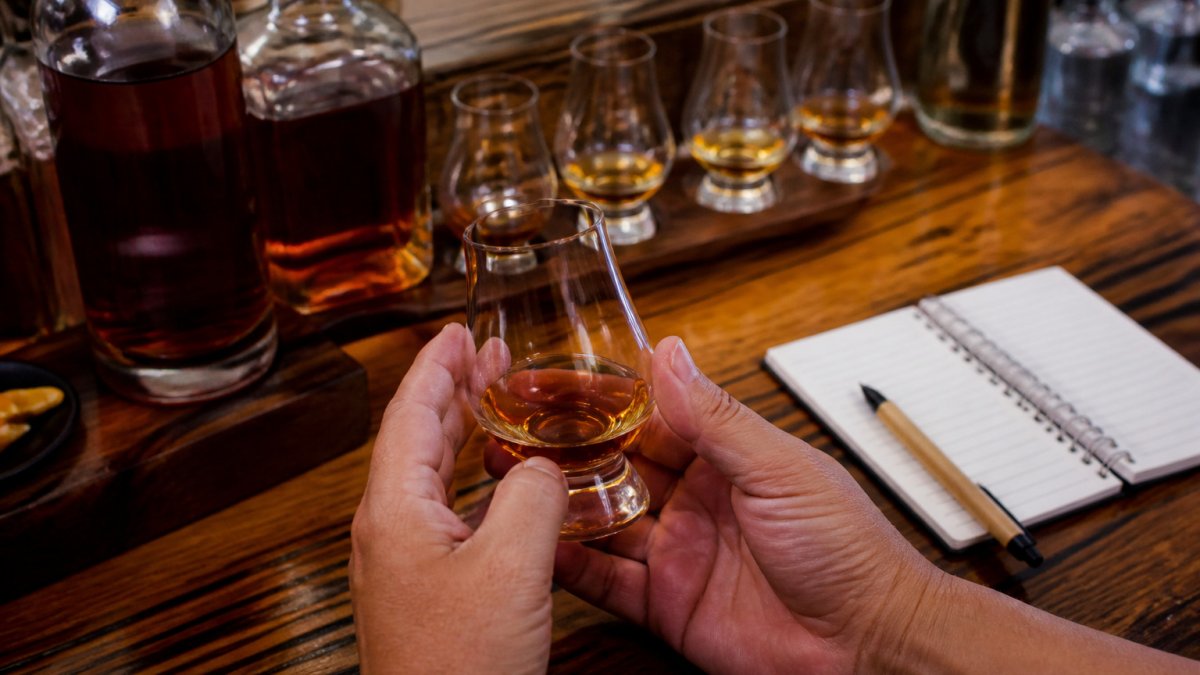
Use the same sequence every time so you can compare spirits fairly. The framework below moves from appearance to aroma to palate to finish, then closes with a note-taking step so each tasting builds on the last.
Step 1: Look
Hold the glass against a white background, such as a sheet of paper or a white napkin, and tilt it slightly. Note the color and clarity. Most blanco tequila and many mezcals are clear, while reposado and añejo expressions pick up straw, gold or amber tones from barrel aging. Sotol is often clear but can show a faint tint. Color hints at aging, not quality.
Step 2: Swirl and Smell
Swirl gently to release aromas, then bring the glass to your nose without plunging your nose into it. Agave spirits are typically bottled around 40% alcohol by volume, and a deep inhale will sting. Take a few short sniffs, then one longer, slower sniff.
Beginners often struggle to name what they smell. Start with broad families and narrow from there:
- Fruity: citrus (lime, grapefruit), cooked fruit (baked apple, pear), tropical (pineapple, banana)
- Floral: orange blossom, honeysuckle, rose
- Vegetal and herbal: cooked agave, green pepper, fresh-cut grass, mint, anise
- Earthy and mineral: wet stone, damp soil, clay, mushroom
If you can only say “fruity” on the first pass, that is a valid note. Precision comes with repetition.
Step 3: Sip Small
Take a small sip, about a quarter of a teaspoon, and let it coat your tongue before swallowing. Note sweetness, bitterness and texture. Texture is the feel of the spirit in your mouth: silky, oily, thin, creamy or drying. A high-proof spirit can feel hot; a well-made one often feels rounder than its proof suggests.
Step 4: Swish and Swallow
Move the sample across your palate, then swallow. Pay attention to the finish, the flavor and warmth that remain afterward. A short finish fades in seconds; a long finish lingers for a minute or more. Note whether the finish is clean, smoky, peppery or sweet.
Step 5: Rest and Compare
Wait a minute before moving to the next sample. Water and a bite of plain cracker help you avoid palate fatigue. Taste from the least intense spirit to the most intense, so strong flavors do not overwhelm subtler ones.
A Quick Glossary for Beginners
- Agave variety: the species of plant, such as blue agave (Agave tequilana) or espadín (Agave angustifolia), which sets a baseline flavor.
- Terroir: the influence of soil, altitude and climate on the plant and therefore the spirit.
- Distillation: the process of separating alcohol from the fermented mash; the number of passes and the still type affect flavor.
- Production method: the combined choices of cooking, fermentation and distillation that shape the final spirit.
Keep pours small, especially since agave spirits are often bottled around 40% alcohol by volume. Responsible tasting means spitting or pacing your samples if you are tasting several.
The five steps below run in the same order every time, so each tasting can be compared fairly with the last.
| Step | What to do | Time or frequency |
|---|---|---|
| Look | Hold glass against white background and note color and clarity | Before first sniff |
| Swirl and smell | Swirl gently, take a few short sniffs, then one longer sniff | Short sniffs, then one long one |
| Sip small | Take about a quarter teaspoon and coat your tongue | About a quarter teaspoon |
| Swish and swallow | Move the sample across your palate, then swallow and note the finish | Note finish length |
| Rest and compare | Water and plain cracker, then taste least to most intense | Wait at least one minute |
Writing Agave Spirits Tasting Notes with a Simple Template
Written notes help you remember what you liked and build your vocabulary over time. Use this template for each spirit:
Spirit name and type: ______
Appearance: ______
Aroma (first impression): ______
Aroma (after swirling): ______
Taste (entry, mid-palate, finish): ______
Texture: ______
Overall impression and whether I would buy again: ______
Over several tastings, your notes will show patterns, such as which production styles you return to and which flavors you find hard to enjoy.
Choosing Your First Bottle and Serving Responsibly
For a first bottle, choose a blanco tequila or a mezcal you can taste neat, so you hear the spirit itself rather than a mixer. You can compare premium tequilas recommended for sipping before you choose.
Serve spirits in measured portions and never drink and drive. If you are new to agave spirits, a flight of two or three samples per session is plenty to start building your palate.
If you want to explore further,
Frequently Asked Questions
How do you taste agave spirits?
Pour a small sample, around one ounce, into a clean glass. Let it rest a minute, then smell it with short sniffs before taking a small sip. Hold the liquid across your tongue, notice sweetness, bitterness, and heat, then breathe out through your nose to pick up finish. Repeat slowly, and write down what you notice. Tasting works best when you compare one spirit at a time and take a little water between samples.
What should beginners look for when tasting tequila?
Start with three things: aroma, the balance between sweet and bitter, and the length of the finish. Look for cooked agave, citrus, pepper, or herbal notes in blanco tequilas, and for oak, vanilla, and caramel in reposado or anejo styles. Pay attention to whether the alcohol feels hot or smooth. Beginners often do best with one blanco and one reposado tasted side by side.
What is the difference between tequila and mezcal?
Tequila is made from blue weber agave grown mainly in Jalisco and a few other Mexican states, and it is typically cooked in autoclaves and distilled. Mezcal can be made from many agave varieties and is more often cooked in earthen pits, which adds smoke. Both are agave spirits, but mezcal usually tastes smokier and more varied. Taste them side by side to notice the contrast.
What glass is best for tasting agave spirits?
A tulip-shaped glass, sometimes called a copita, works well because it concentrates aromas near the rim. A small wine glass or a Glencairn-style whiskey glass also works. Avoid heavy rocks glasses for tasting, since they hide aroma. Use the same glass for every sample in a flight so your comparisons stay fair.
Should you sip tequila neat or with a mixer?
For tasting, sip neat at room temperature so you can judge aroma, flavor, and finish. Mixers and ice mute subtle notes, which is why they suit cocktails better than flight tasting. Once you know a spirit’s profile neat, try it in a simple drink to see how it holds up. Serve reasonable portions, since higher-proof spirits deliver more alcohol per sip.
How do you write tasting notes for tequila or mezcal?
Use a simple template: note the color, the aroma when first poured, the aroma after swirling, the flavor on the palate, the texture or mouthfeel, and the finish. Describe what you actually smell and taste, such as citrus peel, roasted agave, or smoke, rather than judging quality at first. Record a score only after your descriptive notes. Keeping notes consistent over several tastings makes your palate easier to trust.
What are the main types of agave spirits?
The main categories are tequila, mezcal, and sotol, each governed by its own appellation rules. Tequila is labeled blanco, joven, reposado, anejo, or extra anejo based on aging. Mezcal covers a wider range of agave types and production methods. Sotol is made from a different plant, Dasylirion, not true agave, though it is often grouped with agave spirits. Knowing these categories helps you choose a first bottle.
