
Last Updated: November 4, 2026
Quick Summary
Sustainable craft rum production reduces environmental harm and supports responsible sourcing across sugarcane cultivation, distillation, packaging, and waste management. To assess a producer’s practices, ask for specific evidence about ingredient sourcing, energy and water use, byproduct handling, and which claims are independently verified.
- Ask where the sugarcane or molasses comes from and whether suppliers are traceable.
- Renewable energy changes the energy source; efficiency reduces the amount of energy used.
- Ask how molasses residue and vinasse are stored, reused, treated, or disposed of.
- Check a sustainability claim’s scope, supporting evidence, verification, limits, and updates.
Table of Contents
- 1. What Makes Sustainable Practices in Craft Rum Production?
- 2. Sustainable Sugarcane Farming for Spirits
- 3. Renewable Energy in Rum Production
- 4. Waste Management in Craft Distilleries
- 5. Environmental Impact of Molasses-Based Rum
- 6. Measuring Impact and Verifying Sustainability Claims
- 7. Ask Tiburon Rum About Its Production and Conservation Practices
- Frequently Asked Questions
1. What Makes Sustainable Practices in Craft Rum Production?
Sustainable practices in craft rum production address how ingredients are grown, how distilleries use energy and water, and what happens to production byproducts. At Tiburon Rum, our molasses-based rum is distilled at a family-owned Belizean distillery. This guide explains what to ask about across the supply chain.
Sustainable craft rum production is the effort to reduce environmental harm and support responsible sourcing throughout rum making. A useful assessment follows the product from sugarcane cultivation through distillation, packaging, and waste management. The [EPA guidance on sustainable materials management | epa.gov] offers a framework for thinking about resource use and waste beyond disposal (the EPA).
A common mistake is treating one visible practice as proof that an entire product is sustainable. Instead, look for specific, verifiable details about ingredients, energy, water, packaging, and byproducts. Sustainable practices in craft rum production are strongest when a producer can explain both its actions and what remains difficult to improve.
2. Sustainable Sugarcane Farming for Spirits
Sustainable sugarcane farming for spirits begins with clear information about where cane or molasses comes from and how it is produced. Ask whether a producer can identify its supply chain, describe its sourcing standards, and explain how it approaches soil health, water use, and labor conditions. Without those details, “responsibly sourced” is difficult to assess.
Organic farming and regenerative agriculture are possible approaches, but a label alone does not answer every question. Ask what the claim covers, who verifies it, and whether it applies to the sugarcane, the molasses, or another part of the supply chain. The [USDA organic standards overview | usda.gov] explains what organic certification represents; it does not establish that a particular rum meets those standards.
For a practical first check, ask about:
- Sugarcane origin and supplier traceability
- Farming practices and water management
- Fair labor practices and worker protections
- Any certification, its scope, and its verifier
Our guide to small-batch rum production differences explains how production scale can shape sourcing and distillery decisions.
3. Renewable Energy in Rum Production
Renewable energy in rum production means using energy sources such as solar or wind power in distillery operations, where available. Energy efficiency is a separate but related measure: a distillery can reduce energy demand by reviewing heating, cooling, and equipment use. Ask producers which steps they have taken and what parts of production those steps cover.
Efficient distillation is not a claim to accept on its own. A useful explanation identifies the equipment or operating change and describes how the producer evaluates energy use. The [U.S. Department of Energy’s industrial energy-efficiency resources | energy.gov] provide general guidance for assessing industrial energy use, though they do not verify any individual distillery’s claims (Industrial Efficiency Technologies).
The practical distinction is simple: renewable energy changes the source, while efficiency reduces the amount needed. Sustainable practices in craft rum production should address both where possible, while acknowledging that small distilleries may face limits in equipment, space, and access to renewable power.
4. Waste Management in Craft Distilleries
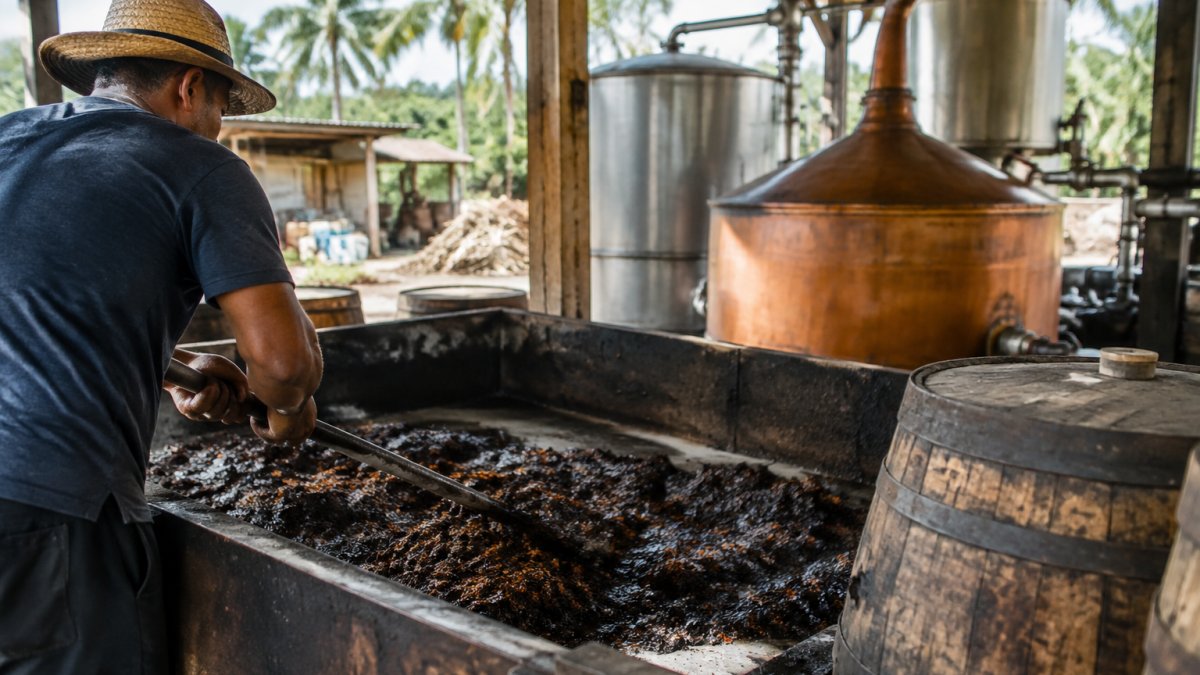
Waste management in craft distilleries focuses on reducing, reusing, and responsibly handling materials left after production. Rum-specific byproducts can include molasses residue and vinasse, the liquid residue from distillation. Ask how each is stored, reused, treated, or disposed of rather than assuming that a general recycling statement covers them.
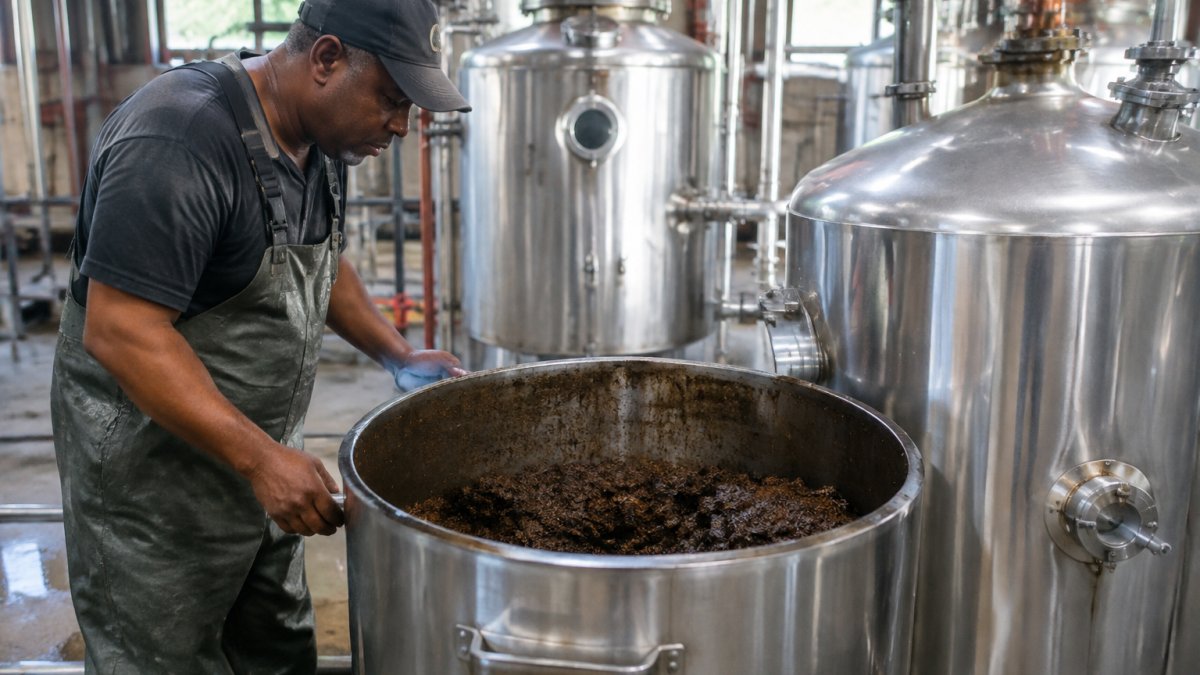
A common mistake is counting only what leaves the building as solid waste. Water use, wastewater, packaging, and byproducts all matter to the broader environmental impact. Producers can explain whether they reuse materials, send them for suitable recovery, or use other waste-reduction practices. The [EPA’s sustainable materials management resources | epa.gov] offer general guidance on evaluating materials across their lifecycle.
5. Environmental Impact of Molasses-Based Rum
The environmental impact of molasses-based rum depends on more than the fermentation ingredient. Sugarcane cultivation, molasses processing, transport, distillery energy and water use, and packaging all contribute to the product’s wider footprint. A producer’s account of one stage cannot establish the impact of the full lifecycle.
For a clearer picture, ask where the molasses comes from, how it reaches the distillery, and how production byproducts are managed. Also ask what the producer knows about carbon emissions and water use, and which parts of the supply chain remain unmeasured. These questions are more useful than treating “molasses-based” as either inherently sustainable or inherently harmful.
Tiburon Rum’s rum is molasses-based and matured in bourbon barrels. Those product details describe how it is made, but they do not by themselves verify environmental performance. Sustainable practices in craft rum production require evidence across sourcing, distillation, waste, and packaging.
6. Measuring Impact and Verifying Sustainability Claims
A sustainability claim is easier to evaluate when a producer defines its scope, method, and evidence. Ask whether a statement covers the distillery alone or the full product lifecycle, from sugarcane sourcing to packaging. If a producer shares a carbon or water footprint, check which stages it includes and whether an independent party verifies the measurement.
Use this short audit when reviewing a claim:
- Scope: Which production stages does it cover?
- Evidence: What records or measurements support it?
- Verification: Who checked the claim, if anyone?
- Limits: What remains unmeasured or unchanged?
- Updates: Does the producer explain progress over time?
Certification can help, but only when the standard and its coverage are clear. Ask for the certifier’s name and the specific product or operation covered. The [FTC Green Guides | ftc.gov] explain how environmental marketing claims should be clear and supported; they are a useful reference when assessing broad terms such as “eco-friendly.” (the FTC)
Use this short audit to assess what a sustainability claim covers and supports.
| Check | What to ask |
|---|---|
| Scope | Which production stages does it cover? |
| Evidence | What records or measurements support it? |
| Verification | Who checked the claim, if anyone? |
| Limits | What remains unmeasured or unchanged? |
| Updates | Does the producer explain progress over time? |
7. Ask Tiburon Rum About Its Production and Conservation Practices
The most useful sustainability questions are specific: ask about sourcing, energy and water use, byproduct handling, and which claims have independent verification. We can confirm that Tiburon Rum is handcrafted at a family-owned Belizean distillery and that our rum is molasses-based. Those facts do not replace details about environmental measurements, so we encourage readers to ask us directly about production practices.
Learn about Tiburon Rum conservation efforts, or contact Tiburon Rum with questions about production and sustainability practices.
The challenge is separating a meaningful commitment from a broad claim without evidence. Ask us what a claim covers and what remains to be measured; get started with Tiburon Rum by asking specific questions before choosing a bottle.
Frequently Asked Questions
What makes rum production sustainable?
Sustainable rum production accounts for impacts across ingredient sourcing, distillation, water use, energy, packaging, and waste. Look for specific practices rather than broad environmental claims: how sugarcane or molasses is sourced, whether the distillery tracks energy and water use, and how it handles byproducts. Transparent reporting makes it easier to understand which parts of production have changed and what remains a challenge.
How do distilleries manage waste in rum production?
Distilleries can assess each waste stream separately, including spent wash such as vinasse, fermentation residues, and packaging materials. Depending on local conditions and available facilities, byproducts may be reused, recycled, or sent for appropriate treatment. Ask a producer what happens to its specific residues and whether it reports quantities or reuse methods. A clear account is more informative than a general claim that the operation is zero waste.
How can consumers identify eco-friendly rum brands?
Check whether a brand explains its sourcing, production practices, packaging choices, and conservation claims in concrete terms. Ask what is measured, over what part of the supply chain, and whether the information is independently verified. For craft rum production, details about sugarcane or molasses sourcing, water and energy use, and byproduct handling can help distinguish documented efforts from vague marketing language.
What role does renewable energy play in modern rum distilleries?
Renewable energy can reduce reliance on fossil fuels for distillery operations, including heat and electricity, but its impact depends on how much energy the process uses and what sources supply it. Energy efficiency matters alongside renewable power: a distillery can first track where energy is consumed, then explain which changes it has made. Ask for clear reporting rather than assuming a sustainability claim covers every production stage.
