

Last Updated: November 11, 2026
Quick Summary
The best tequila glassware for tasting is a narrow-rimmed copita or a Glencairn nosing glass, because the narrow opening concentrates aroma toward your nose. Most of what you perceive as flavor in a sipping tequila is aroma, so the vessel’s shape matters. Start with the glass you own, then compare a copita or Glencairn against it.
- Narrow openings funnel vapors toward your nose, while wider bowls let the spirit breathe.
- The copita is the traditional choice and works well for neat blanco, reposado, and añejo pours.
- Choose thin rims, a bowl matched to your pour, and a stable base for tasting glasses.
- Use one ounce of the same tequila in each glass when comparing glassware side by side.
- Avoid thick-walled glasses, which dull aromas and make it harder to swirl and nose.
Table of Contents
- Why Glassware Changes the Way Tequila Tastes
- Copita Tequila Glass: The Traditional Choice
- Riedel Tequila Glass: A Purpose-Built Option
- Glencairn Tequila Glass: The Nosing Glass Compared
- Flutes, Rocks Glasses and Shot Glasses: Where They Fall Short
- A Side-by-Side Tasting Method You Can Repeat at Home
- Choosing Your Tequila Glass for Your Next Tasting
- Frequently Asked Questions
Why Glassware Changes the Way Tequila Tastes
The best tequila glassware for tasting concentrates aroma, shows color, and lets you sip without overwhelming your nose. Glass choice is part of the tasting itself, not an afterthought. A narrow opening funnels the vapors toward your nose, while a wider bowl gives the spirit room to breathe. Most of what you perceive as flavor in a sipping tequila is actually aroma, so the shape of the vessel matters.
The effect of glass shape on aroma is well discussed among spirits professionals, though controlled research on tequila specifically is limited. Treat the claims below as practical guidance from common tasting practice rather than settled science.
Watch out: a heavy, thick-walled glass can keep you from swirling and nosing comfortably, which hides the very aromas you are trying to find.
Copita Tequila Glass: The Traditional Choice
The copita is the traditional vessel for sipping tequila, and it remains the most common recommendation for neat pours. Its tulip shape narrows at the rim, which concentrates aromas like agave, citrus, and vanilla toward the nose. Its small capacity suits a measured pour of a blanco, reposado, or añejo.
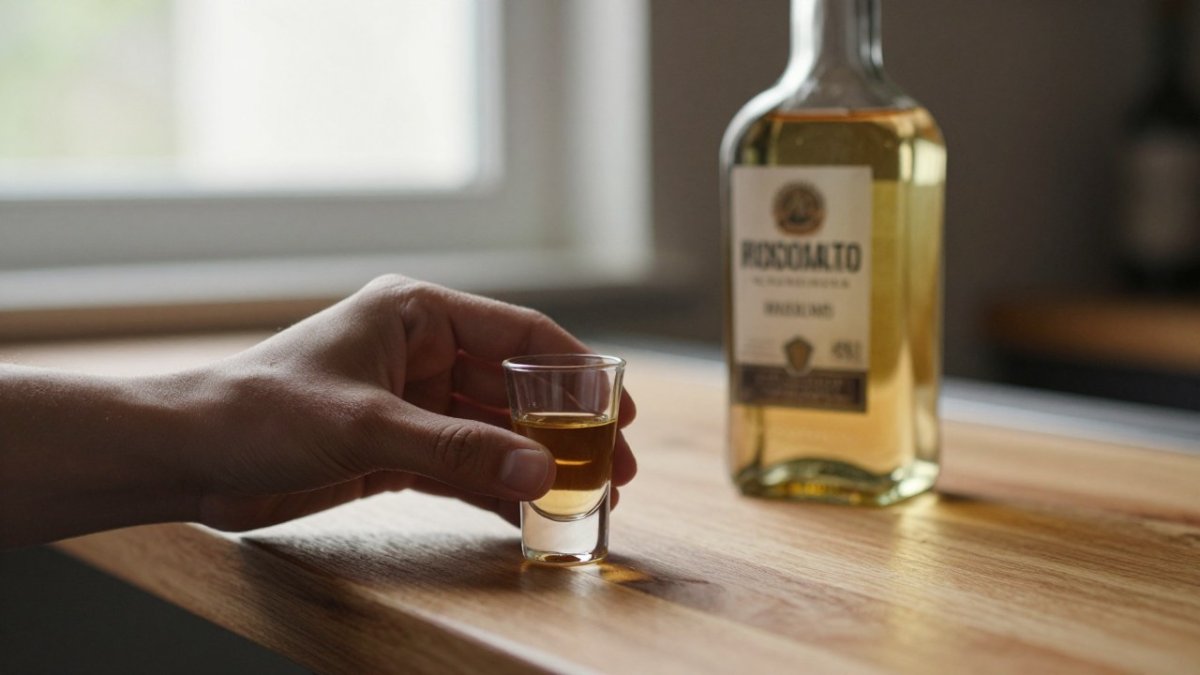
The copita works well for a side-by-side tasting because it is easy to swirl and easy to hold. Its drawback is that it offers less room for ice or mixers, so it is best reserved for neat tasting rather than cocktails. Look for thin, clear glass so you can judge color in añejo expressions.
Riedel Tequila Glass: A Purpose-Built Option
Purpose-built tequila glasses such as the Riedel Ouverture are marketed specifically for tequila rather than adapted from a general spirits glass. Their profile is closer to a small flute than to a copita, with a narrow, slightly flared rim over a compact bowl. The narrow bowl leaves less room to swirl than a wider copita or Glencairn. Confirm current capacity and price on the maker’s site, since listings change and set sizes differ.
Where this glass earns its place is as a single dedicated vessel for drinkers who want one glass that signals tequila specifically. Where it does not is as a dramatic upgrade over a good copita. If you already own a thin-rimmed copita, the difference in aroma concentration is smaller than the marketing implies, and you are better off spending the money on a second copita so you can taste side by side.
Buying criteria that matter more than the brand name:
- Rim thickness. A thin rim lets the spirit hit your palate cleanly; a thick rim reads as dull and slightly bitter.
- Bowl volume. Match it to your pour. A 1-ounce pour in an oversized bowl leaves too much headspace and dilutes the nose.
- Stem or base stability. A wide, flat base survives a crowded tasting table; a narrow stemmed base does not.
- Dishwasher safety. Most thin crystal and lead-free crystal tasting glasses are hand-wash only, so plan for that.
- Replacement availability. A glass you cannot replace after a chip becomes a display piece.
- Set size. Two glasses let you compare; four let you run a flight; singles are usually the worst value per glass.
Watch out: hand-wash in warm water with a drop of unscented soap, rinse thoroughly, and dry with a lint-free cloth, because residual detergent and paper fibers both register as off-aromas on the next pour.
If you are choosing between this and a copita, the honest answer is that both concentrate aroma well and the decision comes down to whether you want a tequila-specific silhouette or the traditional vessel. Buy the one you will actually reach for, and buy two.
Glencairn Tequila Glass: The Nosing Glass Compared
The Glencairn is a nosing glass widely recommended for neat tastings of tequila and other agave spirits. Its narrow opening concentrates aromas, and its sturdy base makes it comfortable to hold during a flight.
Compared with a copita, the Glencairn has a slightly more open bowl and a heavier feel, which some tasters prefer for swirling. It is a versatile choice across different tequila styles. The trade-off is that it is less visually distinctive than a traditional copita, which matters if you want the presentation to match the spirit.
Flutes, Rocks Glasses and Shot Glasses: Where They Fall Short
Most home bars already hold a flute, a rocks glass, and a shot glass, so the useful question is not whether they work but when each one is good enough and where it costs you aroma. The mechanism is the same across all three: the width of the opening and the volume of headspace above the liquid determine how much vapor reaches your nose before the ethanol does.
A standard champagne flute holds roughly 6 ounces and tapers to a narrow rim. That narrow rim does concentrate vapor, which is why flutes show up in budget tasting setups, but the tall narrow bowl gives the spirit very little surface area to breathe and almost no room to swirl. In practice, a flute reads as tight and slightly sharp on the nose, and it is hard to clean and dry because of the depth. It is a reasonable stand-in for a first side-by-side, not a long-term tasting glass.
A rocks glass, typically 8 to 12 ounces with a wide mouth, does the opposite. The wide opening lets aroma escape across the whole rim rather than funneling it, so the first nose is muted and the finish aromas disappear fastest. Where a rocks glass earns its place is with ice, a splash of water, or a mixed serve, because the volume and wide mouth handle dilution and stirring. For neat tasting, it flattens exactly the aromas you are trying to judge.
A shot glass, usually 1.5 to 2 ounces, is built for volume and speed, not for nosing. The rim is wide relative to the tiny bowl, the walls are often thick, and there is no room to swirl without spilling. It is fine for a quick pour among friends and poor for a deliberate tasting.
Watch out: thick-walled versions of all three insulate the liquid and deaden the aromas further, so if you are using one of these as a stopgap, pick the thinnest-rimmed glass you own.
| Vessel | Typical Capacity | Opening | Aroma Result | Best Use |
|---|---|---|---|---|
| Champagne flute | About 6 oz | Narrow, tall | Concentrated but tight; little swirl room | Budget first comparison |
| Rocks glass | 8-12 oz | Wide | Muted, escapes quickly | Ice, water, cocktails |
| Shot glass | 1.5-2 oz | Wide relative to bowl | Minimal | Quick pours, casual serving |
Typical Capacity
A practical rule: use what you have to establish a baseline, then compare it directly against a copita or Glencairn with the same tequila and the same pour size. The difference is usually obvious within one flight, and it tells you whether a dedicated glass is worth adding to your shelf.
A Side-by-Side Tasting Method You Can Repeat at Home
To compare glasses fairly, pour the same tequila into two or three vessels at equal volume, and use a consistent pour size, such as one ounce. Taste them in the same order each time, and note which glass shows the most aroma before you sip. Repeat with a different tequila style, since a blanco and an añejo can respond differently to the same glass.
Keep the glasses at the same temperature and avoid tasting immediately after a strong drink, since that can dull your nose. Record your notes in a simple table with columns for aroma, flavor, and finish. Over several sessions, the pattern usually becomes clear.
| Glass | Aroma Concentration | Best For | Typical Use |
|---|---|---|---|
| Copita | High | Neat tasting | Blanco, reposado, añejo |
| Riedel Tequila | High | Dedicated tasting | Neat pours |
| Glencairn | High | Versatile nosing | Multiple styles |
| Champagne flute | Moderate | Budget tasting | Occasional use |
| Rocks glass | Low | Cocktails | Mixed drinks |
| Shot glass | Low | Quick pours | Casual serving |
Choosing Your Tequila Glass for Your Next Tasting
Start with the glass you already own, then test a copita or Glencairn against it. If you want a purpose-built option, look at tequila-specific glasses. Match the glass to how you drink: a copita or Glencairn for neat tasting, a rocks glass for cocktails.
Once you have chosen a glass, you may want to explore premium sipping tequilas to try with your new glassware. For a repeatable approach to comparing bottles, read how to verify authentic tequila before you taste. You can also browse more glassware and tasting guidance in our blog.
At Tiburon Rum, we recommend starting with a copita or Glencairn and building your tasting routine from there. Visit our website for current product information and to explore FIN Tequila, crafted from 100% de Agave in Jalisco, Mexico.
Frequently Asked Questions
What is the best glass to use for tasting tequila?
A narrow-rimmed glass with a modest bowl, such as a copita or a Glencairn-style nosing glass, is the most practical choice for tasting tequila neat. The narrower opening concentrates aromas toward the nose, so you can pick up agave, herbal and citrus notes more clearly than you would from a wide rocks glass. Glassware is a matter of preference, so try two shapes with the same pour and compare them directly before committing to one.
Can you taste tequila in a Glencairn glass?
Yes. A Glencairn glass is widely used for neat tequila tastings because its tulip-like bowl narrows toward the rim, which gathers aromas as you swirl and nose the spirit. Many tasters use it for blanco, reposado and añejo alike. Pour a modest amount, around one ounce, so the bowl leaves room to swirl without spilling, and let the spirit rest a minute before the first sip.
Is a shot glass suitable for tasting tequila?
A shot glass works for quick servings but is not ideal for tasting. Its wide, short shape lets aromas disperse rather than gather, which makes it harder to pick out the distinct notes in a tequila. It is fine for a casual pour, but if your goal is to compare aromas and flavors, a copita or a tulip-shaped glass will give you a clearer result.
What do you need for a tequila tasting?
You need the same glass shape for every tequila you compare, a measured pour of about one ounce, still water for rinsing between samples, and a notebook to record aroma, flavor and finish. Serve the tequilas in order from blanco to reposado to añejo so the palate is not overwhelmed early. Keep the room cool and free of strong scents such as candles or cooking, since these can mask the spirit’s aromas.
