
Last Updated: October 24, 2026
Quick Summary
A sustainable rum distillery operates with measurable commitments to environmental stewardship, resource conservation, and transparent accountability across its production chain, concrete, verifiable systems for water reuse, energy efficiency, waste reduction, and responsible sourcing, not marketing language.
- Bagasse, vinasse, and spent wash must have named end-uses: burned for energy, applied to fields as fertilizer, or digested for biogas.
- Closed-loop water systems and recirculating cooling towers reduce consumption; serious distilleries track gallons per liter of spirit produced.
- Third-party certifications like Bonsucro, B Corp, or carbon-footprint standards carry weight; vague claims without named auditors signal greenwashing.
- Renewable energy integration typically starts with solar; process efficiency and monitoring systems reduce energy intensity measurably.
- Transparency means publishing baseline year, reduction targets, waste diversion rates, certification scope, and known trade-offs annually.
Table of Contents
- What Defines a Sustainable Rum Distillery
- Sustainable Rum Production From Sugarcane to Spirit
- Rum Distillery Water Conservation Strategies
- Energy Efficiency and Renewable Power in Distilling
- Rum Production Waste Management and Circular Systems
- Sustainable Spirits Packaging and Supply Chain Impact
- Transparency, Certification, and Measuring Real Impact
- Choosing a Rum Distillery You Can Trust
- Frequently Asked Questions
What Defines a Sustainable Rum Distillery
A sustainable rum distillery operates with measurable commitments to environmental stewardship, resource conservation, and transparent accountability across its production chain, concrete, verifiable systems for water reuse, energy efficiency, waste reduction, and responsible sourcing, not marketing language.
True sustainability demands footprint reductions at every stage, from sugarcane farming through bottling. The difference between greenwashing and genuine commitment shows up in specifics: closed-loop water systems, renewable energy, waste diversion, and third-party certification.
The spirits industry long overlooked sustainability, prioritizing volume and margins. That’s changing: discerning consumers increasingly demand proof that premium spirits come from producers who treat natural resources as finite.
Sustainable Rum Production From Sugarcane to Spirit
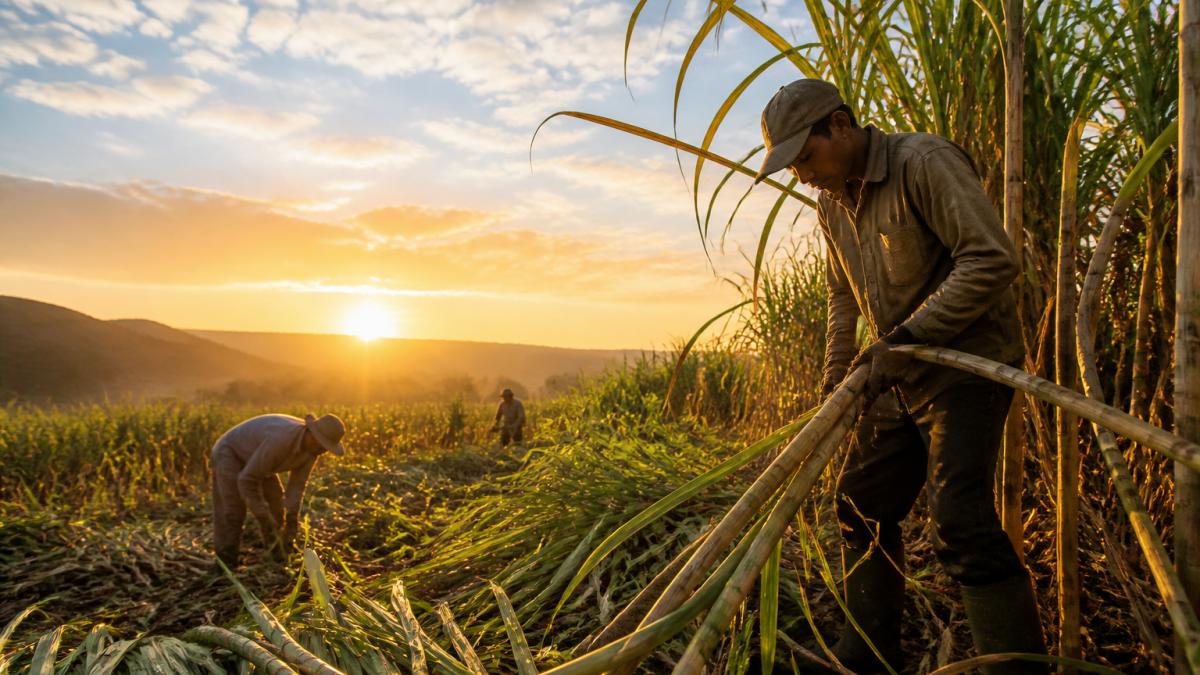
Rum’s feedstock is a tropical grass, and that drives most of its sustainability profile.
Cane agriculture and land use. Sugarcane is a heavy-input crop, rewarding nitrogen fertilizer, irrigation, and pest control, and is often grown as a monoculture that depletes soil organic matter. A responsible distillery can speak to concrete practices:
- Soil health: crop rotation with legumes, green manuring, reduced tillage, and returning mill by-products (filter cake, composted bagasse) to fields to rebuild organic matter.
- Irrigation and runoff: drip or furrow efficiency, tailwater capture, and buffer strips that keep sediment and nutrients out of waterways.
- Fertilizer and pesticide discipline: nutrient management plans based on soil tests, integrated pest management, and documented reductions in high-risk actives rather than blanket spraying.
- Land conversion and biodiversity: avoiding expansion into primary forest or wetlands, preserving riparian zones, and maintaining field margins that support beneficial insects and birds.
The distinction between organic, regenerative, and certified-sustainable cane matters. Organic certification prohibits most synthetic inputs but says little about water or land conversion; regenerative claims are often self-defined.
By-products and circular production. The three streams that define a rum distillery’s waste profile are bagasse, vinasse, and spent wash:
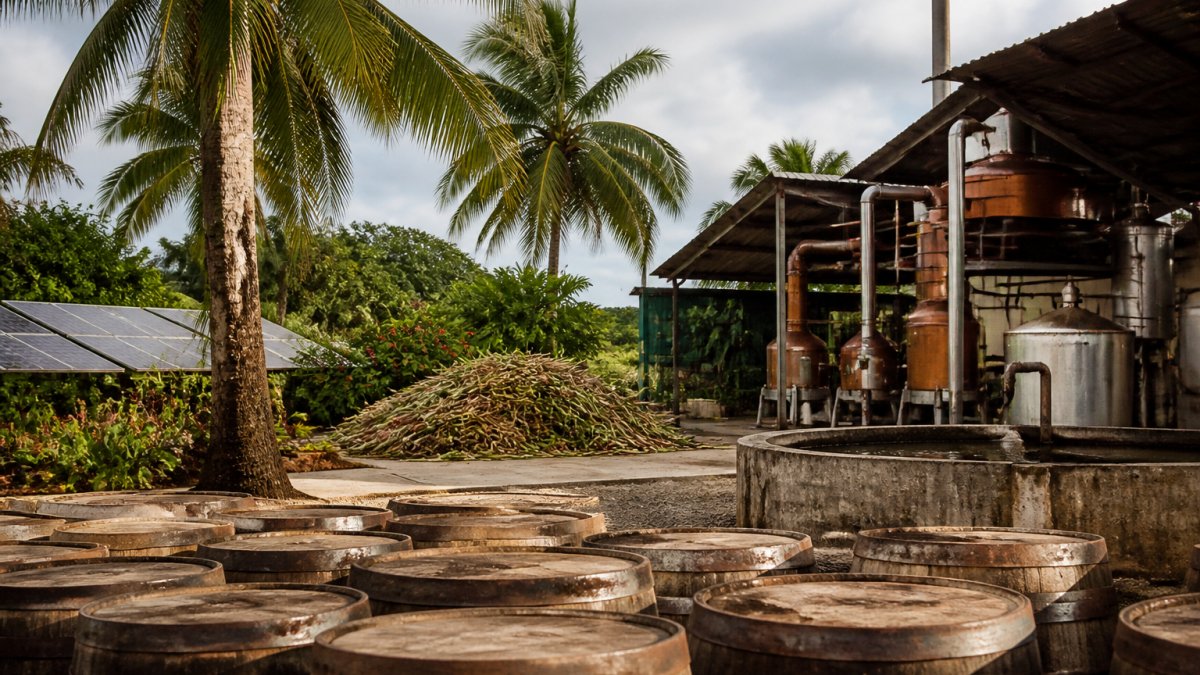
- Bagasse (the fibrous cane residue) is often burned in mill boilers to generate steam and power, and in good operations it supplies most or all of the distillery’s thermal energy. Surplus can go to paper, board, or compost.
- Vinasse (the liquid residue from distillation) is the hardest stream. It is high in organic load and can pollute waterways if discharged untreated. Responsible operations concentrate it, apply it to cane fields as a potassium-rich fertilizer at controlled rates, or treat it in anaerobic digesters that capture methane for energy.
- Spent wash and yeast can be composted, fed to livestock where regulations allow, or digested for biogas.
A distillery that can describe where each stream goes, and at what volume, demonstrates circularity rather than claiming it.
Barrel aging and maturation. Aging carries its own footprint.
Ask a distillery three questions: What standard governs your cane, and who audits it? Where do your bagasse and vinasse go? How many times do you reuse a barrel? Specific answers signal a real system; vague ones signal marketing.
Small Batch Rum vs Mass Produced: Key Differences(page:2) explores how production scale directly influences sustainability outcomes. Smaller, family-owned distilleries often maintain tighter control over their entire operation, making it easier to implement and verify sustainable practices.
Rum distilleries manage three major by-product streams that define their circular production profile.
| By-Product Stream | Source | Responsible Use |
|---|---|---|
| Bagasse | Fibrous cane residue | Burned in boilers for steam and power, or converted to paper, board, or compost |
| Vinasse | Liquid residue from distillation | Concentrated and applied to cane fields as fertilizer, or treated in anaerobic digesters for methane |
| Spent wash and yeast | Fermentation and distillation | Composted, fed to livestock, or digested for biogas |
| Bourbon barrels | Aging vessels | Reused once or more, re-charred or re-coopered for additional cycles |
Rum Distillery Water Conservation Strategies
Water consumption is one of the most significant environmental impacts in spirits production.
Efficient cooling systems are foundational. Distillation generates substantial heat, requiring water for cooling. Modern sustainable distilleries use recirculating cooling towers that cycle water multiple times before discharge, dramatically reducing consumption.
Wastewater treatment is equally critical. Sustainable operations invest in on-site treatment that recycles water back into production or safely returns it to the environment, preventing contamination of local supplies.
Measurement matters. Serious distilleries track usage metrics, gallons per liter of spirit produced, and set reduction targets. Transparent reporting builds credibility with consumers who want proof, not promises.
Energy Efficiency and Renewable Power in Distilling
Rum distilleries consume energy mainly as heat for distillation, plus electricity for operations. A truly sustainable distillery aggressively reduces demand through efficiency, then sources remaining power from renewables.
Renewable energy integration typically starts with solar. Many Caribbean distilleries benefit from consistent sunlight year-round, making solar economically viable.
Process efficiency reduces energy needs directly. Better insulation on stills and fermentation tanks minimizes heat loss, and advanced distillation extracts more spirit from the same feedstock. These refinements compound into measurable reductions in energy intensity.
Monitoring systems track energy use continuously, enabling real-time optimization. A distillery that measures its energy profile can spot inefficiencies, a cooling system running too long, a still at suboptimal temperature, and correct them immediately.
Rum Production Waste Management and Circular Systems
Waste reduction extends far beyond recycling. True circular systems convert byproducts into value: spent grain becomes animal feed or soil amendment, and yeast and other solids become fertilizer or biofuel feedstock.
Packaging waste deserves attention. Glass bottles, corks, labels, and boxes represent significant material flows.
A common mistake is treating waste management as compliance rather than opportunity. Distilleries that view byproducts as revenue streams or resource inputs innovate more aggressively, partnering with agricultural operations and biofuel producers.
Watch out: Avoid distilleries that claim “zero waste” without explaining specifically where materials go. Genuine waste reduction requires detailed tracking and verified end-uses. Vague sustainability claims often mask inadequate systems.
Sustainable Spirits Packaging and Supply Chain Impact
Packaging decisions ripple through the entire supply chain. A sustainable rum distillery considers the full lifecycle of its bottles, labels, and shipping materials, not just production inside the distillery walls.
Glass sourcing matters. Recycled glass requires less energy than virgin glass, reducing manufacturing emissions. Distilleries specifying high recycled-content bottles send market signals that drive supplier investment in recycling infrastructure.
Transportation efficiency is overlooked but carries real impact. Consolidating shipments, optimizing routes, and choosing lower-emission carriers reduce supply chain carbon footprint.
Supply chain transparency enables accountability. A distillery that can trace its chain from sugarcane grower through final delivery demonstrates commitment beyond its own facility and can identify improvement opportunities throughout the network.
Transparency, Certification, and Measuring Real Impact
Sustainability claims are only as good as the system behind them.
What certifications actually verify. Not all standards cover the same ground, and a distillery that stacks logos without explaining scope is hiding behind them:
- USDA Organic covers agricultural inputs and processing allowances for the cane or molasses; it does not address water use, energy, or land conversion.
- Bonsucro is a sugarcane-specific standard with measurable criteria for yields, inputs, biodiversity, and labor, verified through third-party audits.
- B Corp assesses a company’s overall social and environmental performance, governance, and transparency, but it is company-wide rather than product-specific.
- ISO 14001 certifies an environmental management system, a process for setting and reviewing targets, not a performance outcome.
- Carbon Trust or similar product carbon-footprint certifications verify a measured footprint against a published methodology for a specific product.
A distillery that names the standard, the scope, and the auditor is giving you something checkable. One that says ‘certified sustainable’ without specifics is not.
Lifecycle assessment, bounded properly. A credible rum footprint is measured from cane field to consumer, with clear boundaries.
What good transparency looks like. A distillery serious about accountability publishes, at minimum:
- A stated baseline year and reduction targets for energy, water, and waste, with progress reported annually.
- The share of energy from renewable sources and how it is generated or procured.
- Waste diversion rates with named end-uses for bagasse, vinasse, and packaging.
- The certification scope and audit body for each claim.
- Known trade-offs, such as emissions from long-haul molasses or the energy cost of aging.
Watch for ‘carbon neutral’ claims built entirely on offsets without a published reduction pathway, and for ‘zero waste’ claims with no named destinations for by-products. Both are common greenwashing patterns in spirits.
Third-party scrutiny as a signal. External audits cost money and time, which is exactly why they carry weight. A distillery willing to open its books to an auditor, publish the results, and report against targets has demonstrated a level of commitment that internal marketing cannot replicate. The most reliable indicator remains the same: specific numbers, named standards, stated boundaries, and a willingness to acknowledge where the footprint is largest.
Oceana’s marine conservation initiatives demonstrate how spirits producers can partner with environmental organizations to create measurable impact. Conservation Efforts(page:1) shows how Tiburon Rum channels resources directly toward ocean protection in Belize, combining product sales with verified conservation outcomes.
Choosing a Rum Distillery You Can Trust
Evaluating a rum distillery’s sustainability means moving beyond marketing claims to actual systems and verified results.
Ask direct questions about sourcing: Where does the sugarcane come from? How are suppliers selected and monitored? What documentation exists for sustainable farming?
Check for third-party verification. Certifications from recognized bodies carry weight because they require independent audits. Look for B Corp certification, organic agriculture credentials, or industry sustainability standards.
Examine the brand’s conservation commitments. Many premium spirits producers now partner with environmental organizations. Conservation International’s work with spirits producers highlights how industry leaders are investing in measurable environmental protection.
Consider production scale and ownership.
The most reliable indicator remains transparency. A distillery that publishes environmental data, invites scrutiny, and acknowledges trade-offs demonstrates authentic commitment; those hiding behind vague marketing typically have something to hide.
Choosing a rum distillery you can trust means looking beyond the label.
Frequently Asked Questions
What makes a rum distillery truly sustainable versus just marketing-focused?
A truly sustainable rum distillery tracks and reduces measurable impacts across water use, energy consumption, waste generation, and emissions. Look for distilleries that publish lifecycle assessments, third-party certifications, specific reduction targets with timelines, and transparent reporting on progress. Greenwashing typically uses vague language like ‘eco-friendly’ without data. Real sustainability means verifiable metrics: water recycled per bottle, renewable energy percentage, waste diverted from landfills, and carbon reduction pathways. Tiburon Rum’s commitment to Belize’s marine conservation reflects this deeper integration of environmental stewardship into core operations.
How can rum distilleries reduce their carbon footprint during production?
Rum distilleries lower emissions through renewable energy adoption (solar, wind, or biomass from bagasse, sugarcane fiber), energy-efficient stills and cooling systems, optimized transportation logistics, and barrel maturation practices that minimize waste. Some facilities use byproducts as fuel, replacing fossil fuels entirely. Decarbonization also involves sustainable sugarcane sourcing to reduce agricultural emissions and selecting locally-produced inputs to cut supply chain distances. Barrel aging itself has environmental trade-offs; distilleries managing this thoughtfully consider wood sourcing and reuse strategies to offset maturation impacts.
What should I look for in sustainable spirits packaging?
Sustainable spirits packaging prioritizes recyclable or compostable materials, reduced weight to lower transportation emissions, and minimal excess. Look for glass bottles made from recycled content, natural cork or aluminum caps instead of plastic, and minimal labeling ink. Some brands use lightweight bottles or refillable systems. Packaging should be designed for easy recycling in standard programs. Check whether the distillery offsets shipping emissions and whether labels and caps are sourced responsibly. Transparent communication about packaging choices signals genuine commitment rather than cosmetic sustainability.
How can you verify a rum brand’s sustainability claims are credible?
Verify sustainability claims by checking for third-party certifications (B Corp, Fair Trade, organic, carbon-neutral standards), published environmental reports with specific data, and independent audits. Ask distilleries directly for lifecycle assessments, water-use metrics, and emissions reduction targets with timelines. Credible brands welcome scrutiny and provide transparent supply chain information. Be skeptical of claims without supporting documentation or certifications. Tiburon Rum’s family-owned Belizean distillery model and active marine conservation partnership offer verifiable touchpoints; research the specific initiatives and measure their tangible outcomes rather than accepting conservation messaging alone.
