
Table of Contents
- Understanding High-Proof White Rum Cocktails
- Essential Ingredients for High-Proof Rum Mixing
- How to Balance High-Proof Cocktails
- Best White Rum for Mixing: Selection and Application
- Classic Techniques: Shaken vs. Stirred Methods
- Signature High-Proof Rum Cocktail Recipes
- Home-Infusion Techniques with High-Proof Rum
- Common Mistakes to Avoid When Mixing High-Proof Spirits
- Frequently Asked Questions
Last Updated: August 31, 2026
Understanding High-Proof White Rum Cocktails
High-proof white rum cocktails showcase the spirit’s vibrant ester profile and raw character. Unlike aged rums, white rums maintain their intensity and complexity, making them ideal for spirit-forward drinks where the rum’s personality dominates.
The challenge lies in balance. A 92-proof white rum like Tiburon Rum’s White Tip delivers concentrated flavor and mouthfeel that demands respect during mixing. Too much dilution loses the character; too little creates a hot, unpalatable drink. This is where technique separates competent cocktails from exceptional ones.
White rums in the 80-100 proof range occupy a sweet spot for mixing, potent enough to maintain their identity but not so extreme they require specialized handling. Understanding high-proof white rum cocktails means grasping three core principles: how dilution affects flavor extraction, why shaking technique matters more at higher proofs, and how complementary ingredients support or compete with the spirit’s natural character.
Essential Ingredients for High-Proof Rum Mixing
Building a high-proof rum cocktail starts with understanding your ingredient hierarchy. The white rum is your foundation, but success depends equally on supporting players.
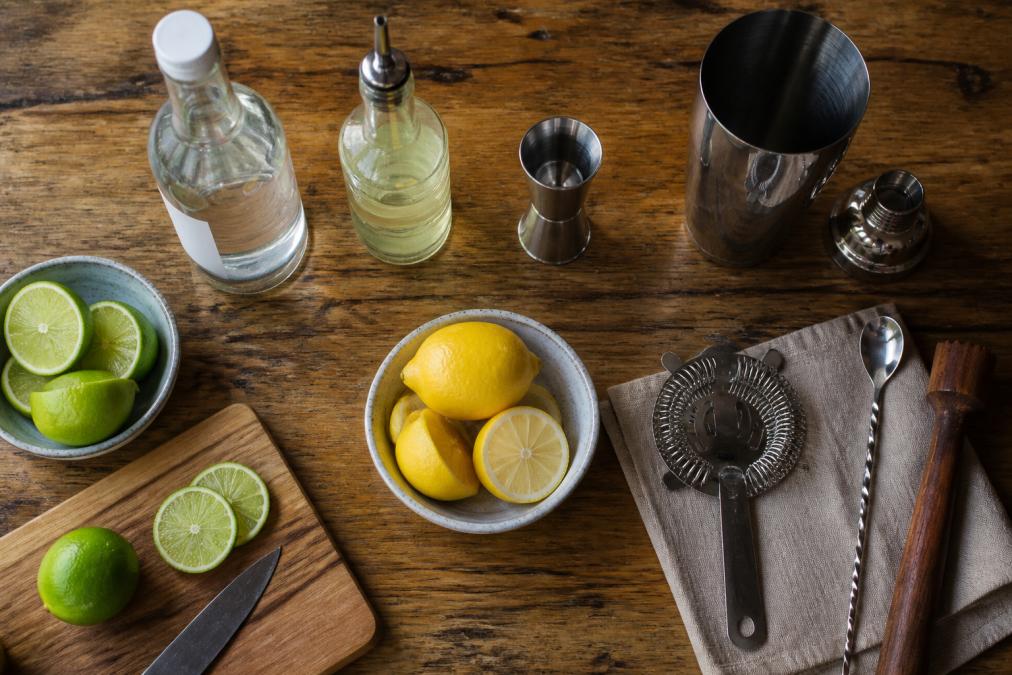
Simple syrup remains non-negotiable. A 1:1 ratio (equal parts sugar and water) provides the sweetness necessary to round out the spirit’s sharp edges. Fresh syrup allows precise control over viscosity and sweetness, critical when working with spirits that demand precision.
Fresh citrus is where most home mixologists succeed or fail. Bottled juice introduces oxidation and off-flavors that become glaringly obvious with high-proof spirits. Squeeze your juice within 2-3 hours of use (usda.gov). The citric acid cuts through alcohol intensity while natural oils add aromatic complexity.
Water and ice play active roles. Filtered water prevents mineral flavors from interfering with balance. Crushed ice melts faster than large cubes, providing more surface area for dilution, essential when working with high-proof spirits that need aggressive chilling and controlled dilution.
Aromatic additions vary by drink style. Bitters add depth to spirit-forward drinks. Tiki-style cocktails often incorporate orgeat, falernum, or coconut cream to create layered mouthfeel. These aren’t decoration; they’re structural components that support the base spirit’s character.
How to Balance High-Proof Cocktails
Balancing a high-proof cocktail means managing the relationship between alcohol intensity, sweetness, acidity, and dilution. These four elements must work in concert.
Higher-proof spirits require proportionally more dilution than lower-proof counterparts. The ratio that works for most high-proof white rum cocktails is approximately 2:1:0.75 (spirit to citrus to syrup). This provides enough acid to cut through alcohol’s heat while maintaining enough sweetness to round the mouthfeel. Adjust based on the rum’s aromatic profile and your preference.
Dilution Science for High-Proof Spirits
Dilution isn’t weakness; it’s the mechanism that makes high-proof spirits drinkable. Water opens up aromatic compounds, reduces alcohol burn, and allows flavor compounds to express themselves fully.
Alcohol molecules are hydrophobic, while many flavor compounds are hydrophilic. At bottling proof, the spirit exists in balance. Add water, and flavor compounds become more accessible while alcohol intensity decreases. A 92-proof rum shaken properly with ice and citrus typically ends up around 18-22 proof in the finished cocktail, still spirit-forward but approachable (peer-reviewed research).
Proper dilution happens during shaking. Vigorous shaking for 10-12 seconds with fresh ice provides approximately 0.75 ounces of water per drink (peer-reviewed research). Shake longer for more dilution; shake briefly for a stronger, drier drink. The key is intentionality.
Building Flavor Complexity
Complexity comes from layering complementary flavors rather than adding more ingredients. A three-ingredient daiquiri can be more complex than a five-ingredient tiki drink if ingredients are chosen thoughtfully.
Identify the rum’s dominant flavor profile and build around it. If your rum emphasizes tropical esters, use citrus that echoes those notes. If it emphasizes vanilla or caramel, consider adding spice or herbal notes to create contrast.
Bitters serve as flavor anchors in spirit-forward drinks, adding complexity without sweetness. A few dashes in a daiquiri deepens character without announcing themselves. Texture matters equally to flavor, egg white adds silkiness, cream or coconut milk adds richness, and orgeat adds almond aromatics and body.
Best White Rum for Mixing: Selection and Application
Selecting the right white rum requires understanding the differences between agricultural and molasses-based rums, as well as the impact of proof and aging.
Molasses-based white rums like Tiburon Rum’s White Tip at 92 proof offer consistency and smoothness that make them reliable foundations for cocktails. The molasses base creates richer, fuller mouthfeel than agricultural rums. A 92-proof molasses-based white rum provides enough intensity to stand up in complex drinks while remaining approachable for spirit-forward cocktails.
Agricultural rums emphasize grassy, funky, vegetal notes that complement simple drinks where the rum dominates. They’re less forgiving in complex tiki drinks where multiple flavor layers need to coexist.
Proof matters more than many realize. An 80-proof white rum requires different proportions than a 100-proof version. The higher-proof spirit delivers more flavor intensity per ounce, meaning you can use slightly less without losing character.
The best white rum for mixing is one you understand. Taste it neat or with a few drops of water, identify its dominant characteristics, and build drinks that showcase those characteristics or provide intentional contrast. A versatile 92-proof molasses-based white rum works across multiple cocktail categories.
Classic Techniques: Shaken vs. Stirred Methods
The choice between shaking and stirring a high-proof rum cocktail is determined by the drink’s composition and desired outcome.
Shake when the cocktail contains citrus, cream, egg white, or other ingredients that benefit from aeration and emulsification. Vigorous shaking provides the aggressive dilution necessary to make high-proof spirits approachable. A properly shaken daiquiri should be frothy, chilled, and balanced.
Stir when making a spirit-forward drink with no citrus or cream, essentially, a high-proof rum drink where you want maximum flavor intensity with minimal dilution. Stirring provides less dilution (approximately 0.5 ounces of water versus 0.75 for shaking), preserving the rum’s intensity.
For high-proof white rum cocktails specifically, shaking is more common because most recipes include citrus. Shake hard and fast for 10-12 seconds with fresh ice. Your goal is a drink that’s cold, properly diluted, and emulsified.
Start with a pre-chilled glass and shaker. Use fresh ice; old ice in a warm shaker wastes the first 3-4 seconds of shaking time. Fresh ice ensures proper chilling without over-dilution.
Signature High-Proof Rum Cocktail Recipes
Building a repertoire of high-proof rum cocktails gives you the foundation for understanding how the spirit works across different flavor profiles and techniques.
Spirit-Forward Daiquiri Variations
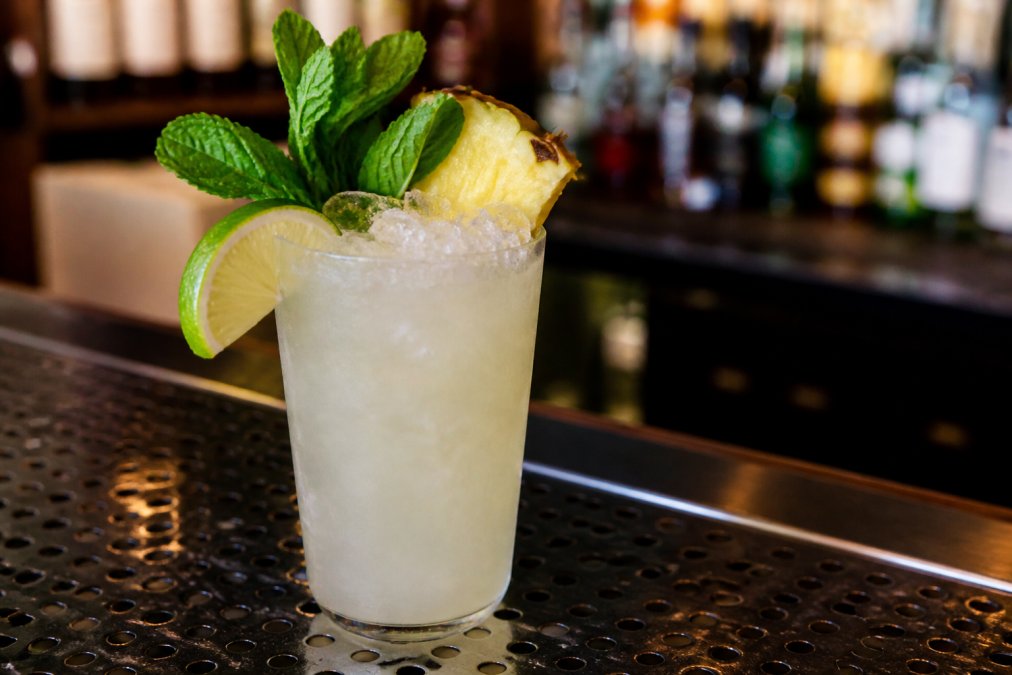
The daiquiri is the essential high-proof rum cocktail. A classic daiquiri uses 2 ounces of white rum, 0.75 ounces of fresh lime juice, and 0.5 ounces of simple syrup. Shake vigorously with ice and strain into a chilled coupe glass.
Understanding the mechanics allows variation. For particularly aromatic rum, reduce syrup to 0.4 ounces. For a drier drink, reduce to 0.4 ounces and add aromatic bitters. For richer mouthfeel, add 0.25 ounces of orgeat or egg white.
A spirit-forward variation uses 2.5 ounces of white rum, 0.75 ounces of lime juice, and 0.5 ounces of syrup. This ratio shifts emphasis toward the rum while maintaining balance. The frozen daiquiri works well with high-proof rum if you reduce syrup to 0.4 ounces, accounting for more aggressive ice dilution during blending.
Tiki-Style Rum Drinks and Tropical Punches
Tiki cocktails embrace complexity and layering. A high-proof white rum works as either the primary spirit or supporting player in a blend.
A basic tiki framework uses a base spirit (typically white or light rum), a secondary spirit (often aged rum for depth), citrus, sweetener, and aromatic additions. For high-proof white rum, use 1.5 ounces as the primary base and layer 0.5 ounces of a complementary spirit.
The Mai Tai uses 1 ounce of white rum and 0.5 ounces of aged rum, combined with 0.75 ounces of lime juice, 0.5 ounces of orgeat, and 0.25 ounces of Curaçao. The white rum provides bright character while the aged rum adds depth.
A rum punch scales these principles: 2 ounces of white rum as the base, 0.5 ounces of aged rum for depth, 1 ounce of lime juice, 0.75 ounces of simple syrup, and a dash of bitters. Add water to punch consistency (1-2 ounces), pour over crushed ice, and garnish with tropical fruit.
Home-Infusion Techniques with High-Proof Rum
Infusing white rum with herbs, spices, or fruit creates custom spirits tailored to your cocktail needs. High-proof rum’s intensity makes it an excellent vehicle for infusions.
Start with a neutral, high-proof white rum (92 proof is ideal). Fill a clean glass jar halfway with your chosen ingredient, then cover with rum. Seal tightly and store in a cool, dark place.
Timing varies by ingredient. Fresh herbs infuse in 3-7 days. Dried spices need 1-2 weeks. Citrus peel infuses in 1-3 weeks. Taste daily after the first week and strain when flavor reaches your preference. Over-infusing creates harsh, bitter results.
Once infused, the rum becomes a building block for custom cocktails. Herb-infused rum works beautifully in daiquiris. Spice-infused rum provides depth in tiki drinks. Citrus-infused rum creates bright, refreshing cocktails with minimal additional citrus needed.
Strain through cheesecloth or fine-mesh strainer. Transfer to a clean bottle and label with the infusion name and date. Most infusions remain stable for several months if stored in a cool, dark place.
Common Mistakes to Avoid When Mixing High-Proof Spirits
Understanding what goes wrong helps you avoid pitfalls that separate mediocre drinks from excellent ones.
Under-dilution is the most common error. Mixologists often shake too briefly, afraid of watering down the drink. The result is hot, harsh, and unbalanced. High-proof spirits demand aggressive dilution, shake for the full 10-12 seconds with fresh ice.
Stale or low-quality citrus becomes glaringly obvious in high-proof cocktails. Always use fresh juice squeezed within hours of use. The difference is dramatic.
Incorrect proportions plague home mixologists. A standard daiquiri ratio doesn’t work for a 100-proof rum the way it works for an 80-proof spirit. Understand the mechanics and adjust intentionally. Taste as you go.
Poor ice quality undermines proper dilution. Use filtered water and make fresh ice regularly. If serious about mixing, invest in an ice mold for larger cubes and a Lewis bag for crushed ice.
Neglecting temperature results in warm, under-diluted cocktails. Pre-chill glassware and shaker. Use fresh ice. These simple steps ensure proper chilling and dilution.
Treating high-proof rum cocktails as afterthoughts is perhaps the most fundamental mistake. These drinks demand respect and intention. Every element, technique, ingredient quality, proportions, matters more than in lower-proof cocktails.
High-proof white rum cocktails demand precision, quality ingredients, and intentional technique. Tiburon Rum’s White Tip, at 92 proof with a smooth molasses base and tropical vanilla undertones, provides an ideal foundation for exploring this category. Whether building classic daiquiris, complex tiki drinks, or custom infusions, understanding how to balance alcohol intensity with dilution, sweetness, and acidity transforms your mixing from competent to exceptional. Start with fundamentals, fresh citrus, proper shaking technique, and intentional proportions, and build your repertoire from there.
Frequently Asked Questions
What is the difference between standard white rum and high-proof white rum?
Standard white rum typically ranges from 40-60 ABV, while high-proof white rum exceeds 80 ABV. High-proof spirits deliver stronger ester intensity and aromatic complexity, requiring careful dilution and balancing in cocktails. The increased alcohol content changes the mouthfeel and flavor profile, making dilution science essential for proper mixing.
How do you balance the intensity of high-proof spirits in mixed drinks?
Balance high-proof cocktails by controlling three variables: dilution (via ice and shaking), citrus acidity (to cut alcohol burn), and sweetness (simple syrup or liqueurs). Crushed ice melts faster, increasing dilution; citrus brightens the spirit-forward base; sweetness rounds out sharp esters. Start with a 2:1 base spirit ratio and adjust citrus and syrup until the intensity feels approachable.
What mixes best with white high-proof rum for cocktails?
Fresh citrus (lime and lemon), simple syrup, aromatic bitters, and tropical juices complement high-proof white rum. Citrus cuts alcohol intensity while highlighting the rum’s ester complexity. Simple syrup balances acidity; bitters add depth. For tiki-style drinks, tropical juices and botanicals work well. Avoid heavy mixers that mask the rum’s character, high-proof spirits reward clarity in flavor pairing.
Is 92-proof rum considered overproof?
No. Overproof rum typically starts at 100 ABV or higher. At 92 proof, rum sits in the high-proof range but below the overproof threshold, making it ideal for mixing without requiring extreme dilution. This proof level delivers ester intensity and complexity while remaining approachable in cocktails when properly balanced with dilution and citrus.