
Table of Contents
- What Bourbon Barrel Aged Rum Is
- How Long Rum Is Aged in Bourbon Barrels
- Flavor Profile of Barrel Aged Rum
- The Chemistry Behind Bourbon Barrel Aging
- Why Charred Oak Makes a Difference
- Climate Impact on Bourbon Barrel Aged Rum
- Sustainable Spirit Production Practices
- Bourbon Barrel Aged Rum vs. Other Aging Methods
- Frequently Asked Questions
Last Updated: August 30, 2026
What Bourbon Barrel Aged Rum Is
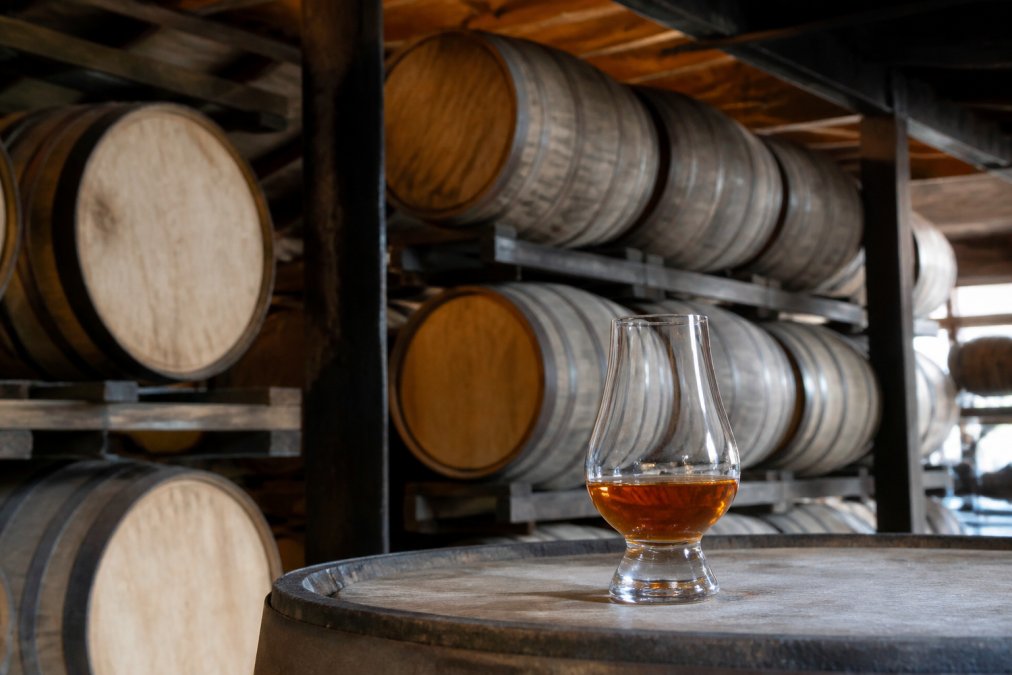
Bourbon barrel aged rum matures in used bourbon barrels after distillation, developing complex flavors and deeper color through interaction with charred wood. This secondary maturation creates vanilla, caramel, and oak-forward characteristics that appeal to spirits enthusiasts.
The practice emerged from practical economics as distilleries repurposed barrels from American whiskey production. What began as cost efficiency evolved into an intentional technique that transforms the spirit’s profile. Molasses-based rums develop a smoother finish, making them suitable for sipping neat and mixing into craft cocktails.
At Tiburon Rum, we’ve embraced this approach because the warm Caribbean climate accelerates maturation, allowing our bourbon barrel aged rum to achieve complexity in shorter timeframes than traditional temperate-zone aging.
The distinction between first-fill and refill barrels matters significantly. First-fill barrels impart stronger oak influence and tannin extraction, while refill barrels deliver subtler wood integration. Many premium producers use a combination of both.
How Long Rum Is Aged in Bourbon Barrels
Most commercially available bourbon barrel aged rums spend between 2 to 8 years in barrel, though some premium expressions extend beyond a decade. The timeline reflects the balance between extracting desirable wood characteristics and avoiding over-oaking, which can render a spirit harsh or overly tannic.
Tropical climates accelerate the maturation cycle compared to cooler regions. Higher temperatures increase oxidation and wood-spirit interaction rates, meaning a rum aged 4 years in Belize develops characteristics similar to one aged 6-8 years in a temperate climate. This “angel’s share,” the portion that evaporates through the barrel, happens faster in heat, concentrating flavors more rapidly.
Shorter aging periods (2-3 years) preserve the rum’s original character while adding subtle oak influence. Medium-length aging (4-6 years) creates the sweet spot many drinkers seek: enough wood integration to develop vanilla and caramel notes without obscuring the spirit’s base character. Extended aging (7+ years) builds deeper complexity but requires careful barrel management to prevent excessive woodiness.
Tiburon Rum’s second maturation process in bourbon barrels is calibrated to the Caribbean climate, allowing us to develop depth and smoothness without requiring extended aging timelines that cooler-region producers need.
The ideal aging duration for bourbon barrel aged rum balances wood influence with spirit character. Most producers find their optimal window between 4-6 years.
Flavor Profile of Barrel Aged Rum
The flavor profile emerges from the spirit’s molasses-based character and compounds released by charred oak. Vanilla dominates as the primary note, a result of wood sugars breaking down during maturation. This warm, slightly woody vanilla integrates with the rum’s body rather than sitting superficially.
Caramel notes follow, developing through the Maillard reaction, the same chemical process that creates caramel when heating sugar. The charred barrel accelerates this transformation, creating layers of sweetness ranging from butterscotch to deep molasses depending on char level and time in wood.
Secondary flavors include subtle smoke from the barrel’s charring, oak spice manifesting as gentle pepper or clove-like warmth, and hints of leather, tobacco, or dried fruit depending on the original distillate and barrel history.
The mouthfeel transforms during aging. The spirit develops a rounder, more viscous quality as it extracts wood compounds and undergoes oxidation. The alcohol’s initial harshness softens, creating the smooth finish that characterizes quality aged rum.
Charred Oak and Tannin Extraction
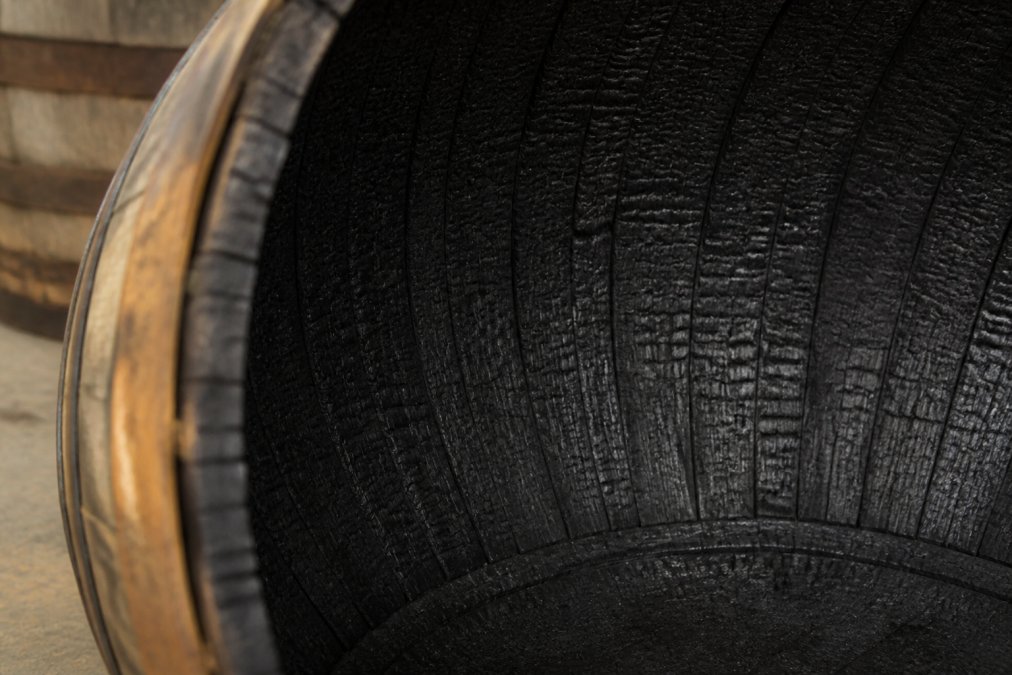
The charred interior of a bourbon barrel is functionally essential to flavor development. When charred during construction, intense heat breaks down cellulose and hemicellulose, creating a layer of charcoal and caramelized sugars that acts as both filter and flavor delivery system.
As bourbon barrel aged rum sits in the barrel, the spirit extracts tannins from the wood, compounds that provide structure and complexity. The char layer moderates tannin extraction, preventing excessive dryness or harshness. Char level matters significantly: heavily charred barrels (typical for bourbon) create more dramatic flavor integration than lightly toasted barrels.
Tropical heat accelerates extraction. The spirit’s expansion into the barrel’s wood pores facilitates faster compound transfer, making Caribbean rums achieve flavor complexity more quickly than temperate-zone counterparts.
Vanilla, Caramel, and Wood Sugars
Vanilla emerges from lignin breakdown in the oak during maturation, not from vanilla beans or flavoring (peer-reviewed research). This natural vanilla is why bourbon barrel aged spirits share this characteristic across the category.
Wood sugars contribute the caramel dimension. The barrel’s char layer contains caramelized sugars created during charring. As the spirit sits in the barrel, these sugars dissolve into the liquid, creating sweetness that integrates with the rum’s molasses foundation.
The interplay between these elements defines balance. A bourbon barrel aged rum emphasizing vanilla feels lighter and more delicate, while one leaning toward caramel and wood sugars feels richer and more dessert-like. The best expressions achieve integration where vanilla, caramel, and oak spice merge into a cohesive flavor.
The Chemistry Behind Bourbon Barrel Aging
The transformation during bourbon barrel aging is fundamentally chemical. When rum enters a barrel, oxidation and extraction alter its molecular composition. Esters develop and evolve, creating new aromatic complexity over time.
Congeners, flavor compounds including esters, aldehydes, and tannins, interact with wood compounds to create the spirit’s final character. Higher-proof spirits extract wood compounds more efficiently than lower-proof ones, which is why cask strength expressions display more pronounced oak influence.
Temperature fluctuations in tropical climates accelerate these chemical processes. Daily heating and cooling cause the spirit to expand and contract within the barrel, driving deeper wood penetration and concentrating flavor development.
Over-extraction is a real risk in bourbon barrel aging, particularly in very warm climates or with extended aging periods. A spirit spending too long in a heavily charred barrel can become excessively tannic or woody, losing the balance that makes bourbon barrel aged rum appealing.
::: premium ready-to-drink cocktails.
Why Charred Oak Makes a Difference
Charred oak is the defining element separating bourbon barrel aged rum from rum aged in neutral barrels or other wood types. The char layer filters harsh compounds, releases desirable wood sugars, and moderates tannin extraction.
The char’s effectiveness comes from its structure. The charring process creates a porous, carbonized layer acting as both flavor source and regulatory membrane. As the spirit extracts compounds from deeper wood layers, it passes through the char, which selectively filters and modifies those compounds.
Different char levels produce different results. Light char creates subtle vanilla and caramel notes with minimal tannin influence. Medium char (standard for bourbon barrels) balances sweetness with structure. Heavy char creates more dramatic flavors but requires careful aging to avoid over-extraction. Most bourbon barrels use medium to heavy char, producing prominent vanilla and caramel with underlying oak spice.
The char also affects color development. Bourbon barrel aged rum takes on its golden to amber hue from extracted wood compounds and oxidation reactions accelerated by the barrel’s interior. This color correlates with flavor complexity; deeper color generally indicates more extensive wood interaction and longer maturation.
Climate Impact on Bourbon Barrel Aged Rum
Geographic location profoundly affects bourbon barrel aged rum’s final character. Tropical and continental climates produce distinctly different results from the same spirit and barrel combination.
Tropical aging accelerates maturation dramatically. Higher ambient temperatures increase oxidation, ester development, and wood compound extraction rates. A rum aged 4 years in Belize develops flavors requiring 6-8 years in cooler regions (peer-reviewed research). Constant warmth drives continuous chemical reactions, concentrating flavor development and creating characteristic smoothness.
This acceleration produces higher angel’s share; tropical barrels lose 10-15% of contents annually compared to 2-3% in cooler climates (peer-reviewed research). This concentration intensifies flavors but increases production costs, explaining why tropical-aged spirits command premium pricing.
Continental climates produce slower, more gradual maturation with lower evaporation rates and slower chemical reactions. The advantage is greater control; the disadvantage is that achieving the same flavor complexity requires significantly longer barrel time, increasing storage costs.
Daily heating and cooling cycles in tropical regions cause the spirit to expand and contract within the barrel, driving wood penetration more aggressively than stable temperatures in climate-controlled warehouses. This physical movement accelerates flavor development and contributes to tropical-aged spirits’ distinctive character.
Sustainable Spirit Production Practices
Sustainability in bourbon barrel aged rum production encompasses barrel sourcing, water usage, waste management, and distillery environmental impact. The most visible practice involves barrel reuse, using barrels multiple times rather than discarding them after single use.
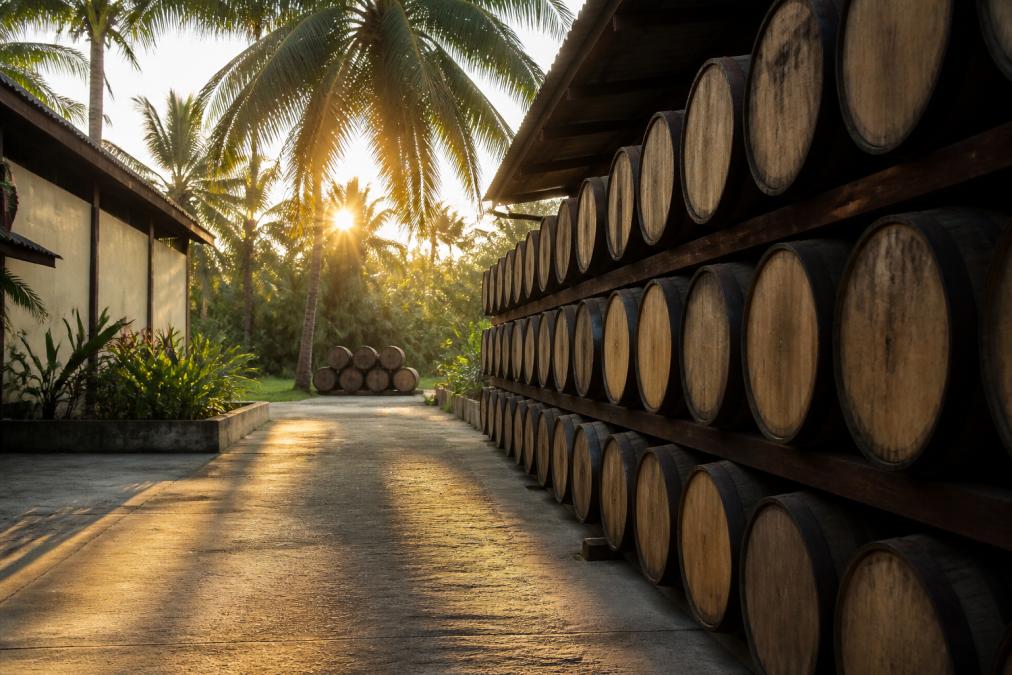
Barrel reuse is economically sensible and environmentally responsible. A bourbon barrel can be refilled multiple times before reaching functional end-of-life. Each use produces slightly different results; first-fill barrels impart stronger wood influence, while refill barrels deliver subtler integration. By reusing barrels, distilleries reduce waste and decrease demand for new barrel production, which requires substantial timber resources.
Water conservation represents another critical practice. Rum production requires significant water for cooling, cleaning, and dilution. Sustainable distilleries implement water recycling systems, treat wastewater before release, and source water responsibly. In Caribbean locations where freshwater availability is limited, this becomes particularly important.
Many modern producers invest in renewable energy, solar panels, wind power, or biomass systems, to reduce carbon impact. Some distilleries use spent grain and byproducts as fuel, creating closed-loop systems where waste becomes energy.
Tiburon Rum’s commitment to Belize’s marine conservation reflects this understanding. The distillery recognizes that the Caribbean environment enabling tropical aging deserves protection, integral to producing quality rum.
:::bestfor
Socially conscious consumers who prioritize environmental stewardship and want their spirits purchases to support conservation efforts.
Bourbon Barrel Aged Rum vs. Other Aging Methods
The choice of aging vessel dramatically affects rum’s final character. Bourbon barrel aged rum occupies a specific position in the aging spectrum, offering distinct advantages and trade-offs.
Stainless steel aging preserves the distillate’s original character without wood influence. Spirits develop complexity through oxidation and ester evolution alone, without wood flavor contributions. This suits producers highlighting the distillate’s inherent qualities but produces spirits many perceive as less mature than wood-aged equivalents.
Neutral barrel aging provides subtle wood influence without dramatic vanilla and caramel notes. These barrels extract tannins and wood sugars gently, creating a middle ground between stainless steel and heavily charred bourbon barrels.
French oak barrels create different profiles than American oak bourbon barrels. French oak typically produces subtle, spice-forward notes with less pronounced vanilla. Bourbon barrels, being American oak with heavy char, produce the vanilla-forward, caramel-rich profile defining the bourbon barrel aged rum category.
| Aging Method | Flavor Profile | Maturation Speed | Color Development | Best For |
|---|---|---|---|---|
| Stainless Steel | Distillate-forward, minimal wood | Slow | None | Highlighting original spirit character |
| Neutral Barrel | Subtle oak, spice notes | Moderate | Light gold | Delicate spirits |
| Bourbon Barrel | Vanilla, caramel, oak spice | Fast (tropical) | Golden to amber | Complex, smooth sipping rums |
| French Oak | Subtle, spice-dominant | Moderate | Light amber | Wine-influenced profiles |
| Sherry Cask | Rich, dried fruit, spice | Moderate | Deep amber | Full-bodied, dessert-like character |
The bourbon barrel aged rum approach delivers what many premium drinkers seek: complexity, smoothness, and recognizable flavor notes appealing across sipping and mixing contexts. The charred oak provides structure and vanilla-caramel sweetness integrating well with molasses-based rum. Tropical aging accelerates development, allowing producers to create mature-tasting spirits without decades of barrel time.
For home mixologists and cocktail enthusiasts, bourbon barrel aged rum offers versatility that other aging methods struggle to match. Vanilla and caramel notes integrate into complex drinks without overwhelming other ingredients. The smooth finish makes these spirits suitable for sipping neat, appealing to gift-giving and discerning drinkers seeking spirits performing across multiple contexts.
The benefits of bourbon barrel aged rum extend beyond flavor to encompass production philosophy, environmental stewardship, and quality expectations that serious spirits drinkers hold. At Tiburon Rum, we’ve chosen this approach because it aligns with our commitment to handcrafted quality and recognition that the Caribbean environment deserves protection. Our bourbon barrel aged rum, matured in our family-owned Belizean distillery, delivers the smooth finish and tropical vanilla character defining premium rum. Discover how our second maturation process creates spirits worthy of both sipping neat and mixing into craft cocktails, explore our collection and learn about our conservation commitment.
Frequently Asked Questions
How does aging rum in bourbon barrels change its flavor profile?
Bourbon barrel aging transforms rum through extraction and oxidation. The charred oak interior releases vanilla, caramel, and wood sugars while tannins add structure and complexity. Congeners, compounds that develop during distillation, integrate with these oak-derived flavors, creating a rounder, smoother spirit. The longer the maturation cycle, the more pronounced these flavor integrations become, softening harsh alcohol notes and developing the warm, layered finish characteristic of premium barrel aged rum.
How long is rum aged in bourbon barrels?
Aging duration varies based on climate and desired flavor profile. In tropical regions, rum can mature in 3-5 years, while continental climates may require 5-12 years or more for similar results. The warm Caribbean climate accelerates the maturation cycle through increased oxidation and extraction. Some distillers use secondary aging techniques to refine the spirit further. The specific timeframe depends on the distillery’s approach to spirit maturation and the target proof and flavor balance they aim to achieve.
What makes bourbon barrel aged rum premium compared to other spirits?
Bourbon barrel aged rum commands premium status because the cask imparts complexity that new oak cannot replicate. First-fill bourbon barrels, previously used for whiskey, contribute residual vanilla and caramel notes while the charred interior adds smoke and depth. This cask management produces superior mouthfeel and spirit balance. The extended maturation cycle allows aromatic compounds to fully integrate, creating a finished product with the richness and refinement expected of premium sipping spirits, whether enjoyed straight or in craft cocktails.
Are sustainable barrel aging practices better for the environment?
Sustainable spirit production practices focus on barrel reuse and responsible forestry. Used bourbon barrels reduce demand for new oak harvesting, lowering environmental impact. Distilleries committed to conservation source barrels responsibly and minimize waste throughout the maturation process. Brands that combine barrel aging with broader sustainability initiatives, such as supporting marine conservation, demonstrate a comprehensive approach. When evaluating sustainability, look for transparency about barrel sourcing, water management, and community impact rather than marketing claims alone.