

Table of Contents
- Small Batch Rum vs Mass Produced: Understanding the Core Differences
- Production Scale and Distillation Methods
- Craft Rum vs Industrial Rum: Quality Control and Ingredient Sourcing
- How to Identify Premium Rum: What Separates Quality from Mass Market
- Flavor Profile and Aging: The Impact of Production Scale
- Best Rum for Home Bar: Choosing Between Small Batch and Mass Produced
- Environmental and Economic Considerations
- Frequently Asked Questions
Last Updated: September 2, 2026
Small Batch Rum vs Mass Produced: Understanding the Core Differences
The difference between small batch rum and mass produced spirits comes down to philosophy, process, and precision. Small batch rum is crafted in limited quantities using traditional distillation methods and careful ingredient selection, while mass produced rum prioritizes consistency and volume through industrial-scale production. At Tiburon Rum, we’ve spent years understanding how production scale shapes everything from flavor complexity to the drinking experience itself.
Small batch makers control nearly every variable, fermentation temperature, distillation timing, cask selection. Mass production facilities optimize for predictability and efficiency through standardized processes replicated across millions of bottles. The real question isn’t which is “better” in absolute terms, but which aligns with what you want from rum. Mixing cocktails where consistency matters most? Mass produced rum delivers that reliably. Sipping neat, seeking complexity and character? Small batch rum typically offers more depth.
Production Scale and Distillation Methods
Copper Pot Stills vs Column Distillation
Small batch distilleries typically rely on copper pot stills, large copper kettles where fermented molasses or sugarcane juice heats, vaporizes, and condenses through a narrow neck. This labor-intensive method takes 12-24 hours per batch, and the distiller must monitor temperature, timing, and vapor characteristics throughout. The result captures more congeners, flavor compounds and impurities that give rum its character and complexity.
Mass produced operations favor column distillation, where fermented liquid enters the top of a tall column filled with perforated plates. Heat rises from the bottom, vapor condenses at different levels, and the process runs continuously. Column distillation is vastly more efficient but strips away more flavor compounds, producing a lighter, cleaner spirit that’s easier to standardize.
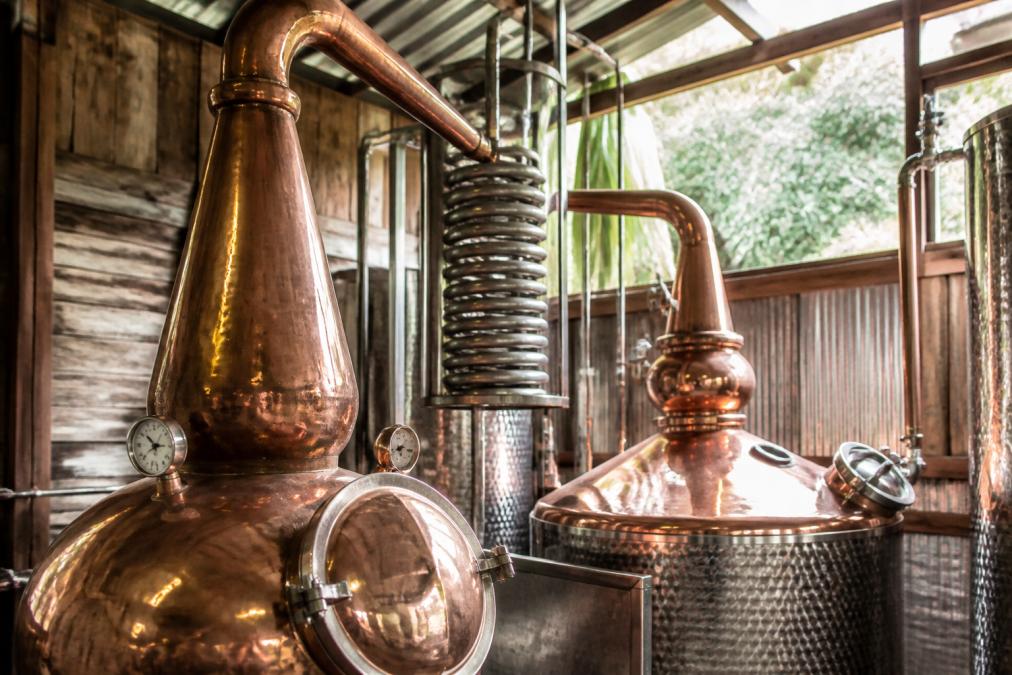
The practical outcome: pot still rum tastes bolder and more distinctive. Column-distilled rum tastes lighter and more neutral. For mixing daiquiris or mojitos, the lighter character won’t get lost. For sipping neat, the complexity of pot still rum rewards attention.
Batch Variation and Consistency
Small batch production introduces batch-to-batch variation. Two bottles from the same distillery, produced months apart, might taste noticeably different due to seasonal sugarcane variation, fermentation response to ambient conditions, and cask positioning in the warehouse. Some distillers embrace this as proof of authenticity; others see it as a liability.
Mass production eliminates variation through standardization. A major distillery blends rums from multiple sources and batches to hit a target flavor profile consistently. Consumers know exactly what they’re getting every time they buy the brand. This is where “small batch” becomes meaningful, it signals acceptance of variation as a byproduct of handcrafted production.
| Production Method | Batch Size | Flavor Profile | Consistency | Best For |
|---|---|---|---|---|
| Copper pot still | 50-500 gallons | Bold, complex, variable | Varies batch-to-batch | Sipping, appreciating nuance |
| Column distillation | 5,000+ gallons | Light, clean, standardized | Highly consistent | Mixing, reliability |
| Small batch blending | 100-1,000 gallons | Balanced, intentional | Consistent within brand | Both sipping and mixing |
Craft Rum vs Industrial Rum: Quality Control and Ingredient Sourcing
Attention to Detail in Small Batch Production
Small batch distillers make decisions that industrial operations don’t have time for. They select specific casks based on previous contents, ex-bourbon barrels impart vanilla and oak, while ex-sherry casks add dried fruit notes. They monitor fermentation temperature, knowing cooler fermentation produces different esters than warmer fermentation. They hand-select which casks go into a final blend, tasting each one to decide which combination creates the best result.
These details accumulate. A small distillery might spend weeks deciding when to bottle a batch, considering whether it needs additional barrel time, higher proof to preserve flavor compounds, or secondary maturation in a different cask type. This attention to detail is expensive and slow, which is why small batch rum typically costs more. You’re paying for decisions that optimize for quality rather than volume.
When comparing small batch rums, look for distilleries that publicly discuss their cask selection and aging decisions. If a producer can explain why they chose specific barrels or how they decide when to bottle, that’s a signal of genuine attention to detail.
Ingredient Selection and Sugarcane Sourcing
Mass produced rum often uses molasses, the byproduct left after sugar refineries extract crystalline sugar. Molasses is cheaper, more standardized, and easier to source in large quantities. Small batch distilleries are more selective about which molasses and from which source. Some use fresh sugarcane juice instead, offering a different flavor profile but requiring immediate processing after harvest.
Tiburon Rum’s molasses-based approach uses carefully selected ingredients and a second maturation process in bourbon barrels that develops the golden color and smooth finish. This reflects understanding that ingredient quality and processing choices shape the final spirit. The distinction matters most for sipping rums, where you taste the product directly. For mixing rums, the impact is subtler because other cocktail ingredients mask some nuance.
How to Identify Premium Rum: What Separates Quality from Mass Market
Reading Labels and Understanding Regulatory Standards
The rum industry has minimal federal regulation compared to other spirits. There’s no legal definition of “small batch” or “craft” in the United States. What you can read on the label: age statements, proof, and origin. An age statement indicates minimum barrel time. Proof tells you alcohol concentration. Origin indicates where it was distilled and sometimes aged.
Beyond the label, look for transparency. Does the distillery explain their process? Can you trace ingredient sources? Do they publish information about cask selection or aging conditions? Mass market producers rarely discuss these details. Small batch producers often lead with process information because it’s central to their value proposition. value of handmade goods.
“Small batch,” “craft,” “premium,” and “artisanal” are unregulated marketing terms. A rum can be labeled this way regardless of actual production methods. Always verify claims by checking whether the distillery provides specific information about their process, ingredients, and aging.
Sensory Indicators of Craft Quality
Craft rum typically shows more complexity on the palate, with layers of flavor that evolve as you sip. You might detect vanilla from the bourbon barrel, then caramel, then spice. Mass produced rums tend toward smoothness and simplicity, engineered to be immediately approachable.
Finish, the aftertaste after swallowing, is often where craft quality shows. A well-made small batch rum typically has a clean, lingering finish. A harsh or abrupt finish suggests either poor quality ingredients or inadequate aging. Mass produced rums are formulated to have a smooth, quick finish.
Flavor Profile and Aging: The Impact of Production Scale
Cask Selection and Maturation Differences
The barrel matters enormously. Bourbon barrels impart vanilla, caramel, and oak. Sherry casks add dried fruit and nuttiness. Small batch producers select casks intentionally. Industrial producers use whatever barrels are available and economical at scale.
Tiburon’s approach of using bourbon barrels for maturation and then a second maturation process develops specific flavor characteristics. The tropical vanilla undertones come from deliberate cask selection and secondary aging. Aging time also differs, mass produced rums are often aged 2-5 years, while small batch producers frequently age longer, sometimes 8-12 years or more, optimizing for flavor rather than volume.
Terroir and Environmental Factors in Warm Climates
Rum production in warm climates like the Caribbean develops faster than in temperate regions. A rum aged 8 years in Belize develops characteristics similar to a 15-20 year old rum aged in Scotland. Heat accelerates chemical reactions between spirit and wood, increases evaporation (concentrating flavors), and speeds color development.
Origin matters significantly. A rum from Belize, Jamaica, or Barbados will taste different from a rum aged in a cooler climate, even with identical production methods. The environment becomes part of the final product. Small batch distilleries in warm climates use this advantage to age rum to complexity relatively quickly at reasonable price points.
Best Rum for Home Bar: Choosing Between Small Batch and Mass Produced
Sipping vs Mixing: Which Style Fits Your Needs
If your primary use is mixing cocktails, daiquiris, mojitos, and rum punches, mass produced rum is often the smarter choice. You’re paying for consistency and volume at a reasonable price. Mount Gay Eclipse performs reliably in mixed drinks. Bacardi Superior works fine in cocktails where rum is one ingredient among several.
If you’re building a home bar where you’ll drink rum neat or on the rocks, small batch rum justifies the premium. You’re tasting the product directly, so complexity and character matter. Tiburon Rum, with its notes of caramel, vanilla, oak, and spice, rewards sipping attention.
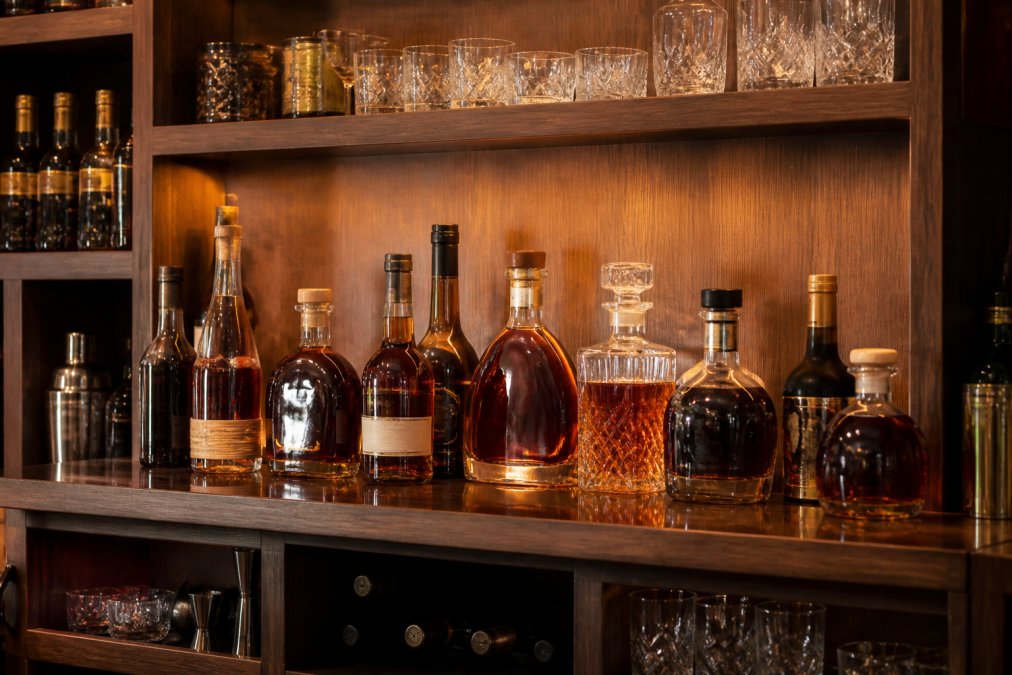
The hybrid approach: keep an affordable mass produced rum for mixing and a premium small batch rum for sipping. This acknowledges that different occasions call for different products.
Small batch rum shines in neat sipping where you can appreciate complexity. Mass produced rum excels in mixed drinks where consistency matters more than nuance. Choose based on how you actually drink rum.
Value Proposition and Price-to-Quality Ratio
Mass produced rums offer obvious value. A bottle of Bacardi Superior costs significantly less than many small batch rums. If you’re mixing, the price difference isn’t justified by flavor difference.
Small batch rums require a different value calculation. You’re paying for the distillery’s expertise, ingredient selection, cask management, and aging time. A small batch rum costing 2-3x more reflects real differences in production cost. The question is whether those differences matter to you. If you drink rum occasionally and primarily in cocktails, they probably don’t. If you’re a spirits enthusiast who appreciates complexity, they do.
Environmental and Economic Considerations
Sustainability Practices in Small Batch Distilleries
Small batch distilleries often have stronger incentives to operate sustainably. They’re typically family-owned or community-based, so environmental impact affects their long-term viability directly. Tiburon Rum’s commitment to marine conservation in Belize reflects this recognition that its Caribbean home depends on environmental health.
Small batch production tends to be more localized. Ingredients are sourced regionally when possible, and production happens near the source. This reduces transportation emissions and supports local agricultural economies.
Economic Impact of Supporting Craft Distillers
When you buy small batch rum, more of your money stays with the distillery and surrounding community. Family-owned producers reinvest profits locally and support local sugarcane farmers or molasses suppliers. Mass producers generate employment too, but at a different scale, often optimized for efficiency through consolidation and automation.
The distinction between small batch rum and mass produced spirits reflects fundamentally different approaches to production. Small batch rum prioritizes complexity, character, and handcrafted quality through careful ingredient selection, traditional distillation methods, and intentional aging. Mass produced rum optimizes for consistency, volume, and affordability through industrial-scale processes and standardized blending.
Neither approach is objectively superior. The right choice depends on how you drink rum and what you value in the experience. For mixing cocktails, mass produced rum delivers reliability at a reasonable price. For sipping neat or on the rocks, small batch rum rewards attention with complexity and depth.
Tiburon Rum’s handcrafted approach, molasses-based rum distilled in a family-owned Belizean distillery, matured in bourbon barrels with secondary maturation, and bottled at 92 proof, represents the small batch philosophy. The smooth finish with tropical vanilla undertones comes from deliberate choices about ingredients, casks, and aging time. If you’re seeking a rum that reflects craft production values and supports marine conservation in Belize, Tiburon offers that combination. Explore our collection and discover which style matches your palate and priorities.
Frequently Asked Questions
Q: What defines a rum as ‘small batch’?
A: Small batch rum typically refers to spirits produced in limited quantities, often from a single distillery using traditional methods and careful ingredient selection. Unlike mass-produced rums made in industrial volumes, small batch distillers focus on quality over quantity, allowing for hands-on fermentation and distillation processes. The exact definition varies by distillery, but the emphasis remains on limited production runs that maintain consistency and character in each release.
Q: Is small batch rum always higher quality than mass produced?
A: Not necessarily. While small batch rum often emphasizes craftsmanship and attention to detail, quality depends on distillery practices, ingredient sourcing, and aging processes rather than production volume alone. Some mass-produced rums maintain strict quality standards and consistent flavor profiles. However, small batch distillers typically invest more in cask selection, fermentation control, and aging conditions, which often result in more complex and distinctive flavor profiles suited for sipping or premium cocktails.
Q: How does the distillation process differ between craft and industrial rum?
A: Craft rum producers often use copper pot stills, which allow distillers to control temperature and capture more nuanced flavors from the fermented liquid. Industrial producers typically rely on column distillation, which is faster and more efficient but produces a lighter, more neutral spirit. Craft distillers also tend to make smaller cuts during distillation, discarding the harsh ‘heads’ and ‘tails’ to focus on the smooth ‘hearts’ of the spirit. This hands-on approach in craft rum vs industrial rum production results in distinctly different sensory experiences.
Q: What should I look for on a rum label to identify quality?
A: Look for age statements (indicating time spent aging in casks), origin information, and production methods. Check if the rum is described as ‘molasses-based’ or ‘sugarcane juice-based,’ as this affects flavor profile. Seek single-distillery or small-batch designations rather than blended mass-market labels. Proof levels matter too: higher-proof rums often retain more flavor complexity. Labels from family-owned or heritage distilleries typically signal commitment to traditional methods. Avoid rums with vague terminology and prioritize those with transparent information about sourcing and aging.
This article was written using GrandRanker