
Last Updated: November 16, 2026
Quick Summary
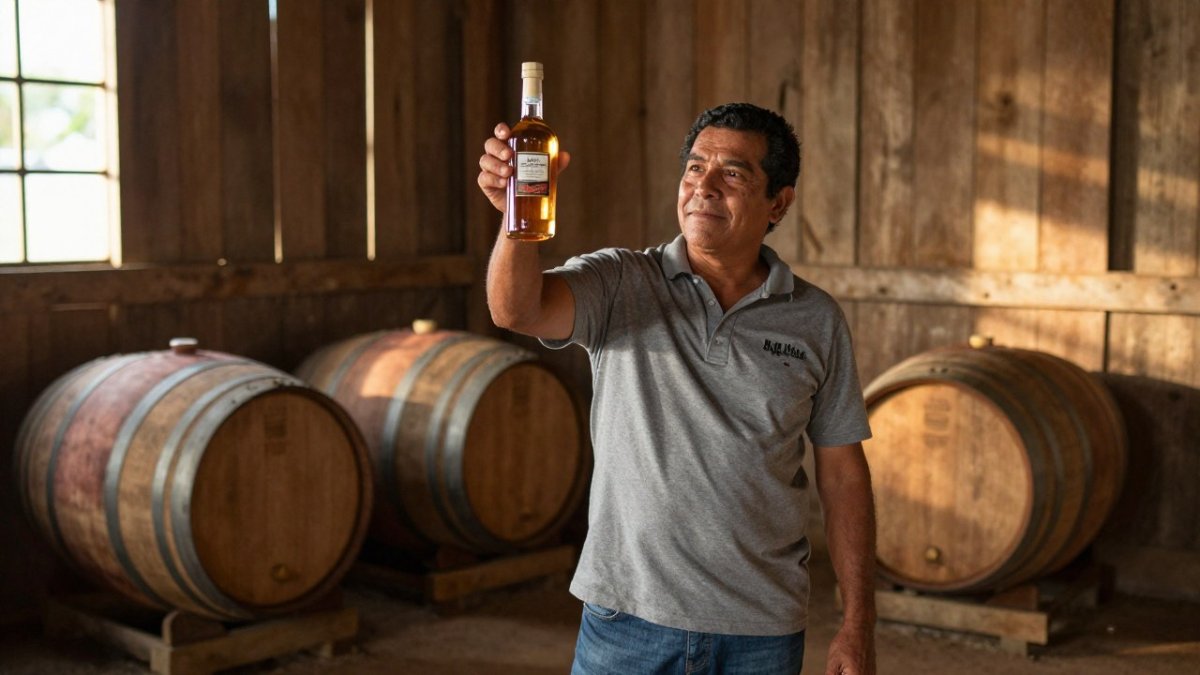
Añejo tequila is aged in oak barrels for one to three years, and its flavor shifts as it ages. Younger añejos keep more cooked agave, while older ones show more vanilla, caramel, spice and oak. The biggest change usually happens between about 12 and 20 months.
- Añejo tequila is aged one to three years in oak, longer than reposado.
- The biggest sensory jump often happens between roughly 12 and 20 months.
- Color is a weak age clue because caramel coloring is permitted in tequila.
- Score agave and oak notes separately to judge how the barrel shapes the flavor.
- Taste lighter ages before darker ones so tannin does not coat your palate.
Table of Contents
- What Añejo Tequila Is and How Long It Ages
- How Añejo Compares to Blanco and Reposado
- How Aging Changes Color, Body and Aroma Year by Year
- Separating Agave Character From Oak Influence
- Tequila Tasting Notes Chart: Vanilla, Caramel, Oak and Spice
- How to Drink Añejo Tequila: A Repeatable Tasting Method
- Choosing Your Next Añejo to Taste
- Frequently Asked Questions
What Añejo Tequila Is and How Long It Ages
Añejo tequila is a tequila aged in oak barrels for at least one year, but less than three. Knowing the category first helps you understand how aging shapes what you taste in the glass. Tequila is made from the blue agave plant in Mexico, and aging is what separates the clear, unaged styles from the richer, amber ones.
Añejo sits at the older end of the scale. The aging period is the main thing that sets it apart from other tequila styles. Many drinkers reach for añejo when they want a smoother, more layered sip than a blanco offers.
Here is the basic aging scale:
- Blanco: Unaged or aged under two months, bottled clear
- Reposado: Aged two months to one year in oak
- Añejo: Aged one to three years in oak
- Extra añejo: Aged three years or more in oak
Knowing these ranges helps you set expectations before you pour. A longer time in the barrel usually means deeper color and more oak-driven flavor.
How Añejo Compares to Blanco and Reposado
Each tequila style tastes different because of how long it spent in the barrel. Blanco shows the most agave. Reposado balances agave and oak. Añejo leans toward oak, with softer edges from the extra time.
A blanco is bright and peppery, with fresh, green agave notes. A reposado usually shows light vanilla and a touch of caramel. An añejo often brings toffee, dried fruit and warm spice, with the agave still present but quieter.
If you are new to aged tequila, reposado is a gentle entry point. Añejo suits drinkers who already enjoy bourbon or aged rum and want something similar with an agave backbone.
How Aging Changes Color, Body and Aroma Year by Year
Most guides describe añejo as one broad one-to-three-year category. That is not much help when you are standing in a store holding two bottles labeled the same age. The useful version of this question is month by month, because the sensory shift inside the añejo window is not linear. The checkpoints below are a general guide, not a fixed rule; barrel, climate and producer decisions move them around.
12 to 15 months (entry añejo):
- Color: pale gold to light amber, often with a greenish rim in the glass
- Body: a step fuller than reposado, still lively rather than syrupy
- Aroma: cooked agave still leads, with light vanilla, a whisper of coconut and soft toast
- Palate: sweet agave up front, gentle oak on the mid-palate, short-to-medium finish
16 to 20 months (the transition zone):
- Color: clear amber
- Body: rounder, with a slightly oily texture
- Aroma: vanilla and light caramel move forward; raw agave recedes but is still findable
- Palate: baking spice appears, sweetness feels more like toffee than honey, finish lengthens
- This is often where drinkers who came from bourbon or aged rum feel most at home
21 to 26 months (mid añejo):
- Color: deeper amber, sometimes with copper glints
- Body: viscous, with slower legs in the glass
- Aroma: caramel, toffee and clove lead; dried fruit and a faint nuttiness emerge
- Palate: oak tannin becomes noticeable as a drying sensation on the sides of the tongue
27 to 36 months (late añejo):
- Color: rich amber to mahogany
- Body: full and smooth, sometimes heavy
- Aroma: dried fruit, cacao, roasted nuts and cedar, with oak in the foreground
- Palate: agave can become a background note; tannin and wood dominate the finish
Beyond 36 months: the bottle is legally extra añejo, not añejo. Expect darker color, denser texture and more wood-derived flavor, but also a higher risk that the agave character has been buried.
A common pattern is that the biggest sensory jump happens between roughly 12 and 20 months, not at the three-year mark. That is why an 18-month bottle can taste closer to a two-year bottle than to a 12-month one.
Why two bottles of the same age taste different:
- Barrel size. A smaller barrel exposes more liquid to more wood surface per gallon, so it extracts oak compounds faster. A 200-liter barrel and a 500-liter barrel at the same age are not the same tequila.
- Previous use. A first-fill barrel gives up wood sugars and tannin quickly; a refill barrel is gentler and slower. Many producers use a mix.
- Wood and toast level. American oak tends to read as vanilla and coconut; heavier toasting pushes caramel and spice; heavier char adds smoke and charcoal notes.
- Climate and warehouse position. Warm conditions accelerate extraction and evaporation, so a barrel high in a warm warehouse can taste older than its label suggests.
- Blending. Many añejos are blends of several barrel ages, so the label age is a category floor, not a precise recipe.
Watch out: color is the least reliable age cue. Caramel coloring is permitted in tequila, so a dark pour does not prove long aging. Trust aroma and texture over hue.
Separating Agave Character From Oak Influence
When you taste an añejo, you are picking up two sources of flavor: the agave itself and the oak barrel. Telling them apart takes practice.
Agave character usually shows up as:
- Cooked agave sweetness, like roasted vegetables or honey
- Earthy, herbal notes
- A slight peppery or citrus edge
Oak influence usually shows up as:
- Vanilla and coconut
- Caramel and toffee
- Clove, cinnamon and other warm spices
A useful test: sip a blanco from the same producer, then sip the añejo. The fresh agave notes you find in the blanco that fade in the añejo reflect how much the barrel has taken over. Expect the oak to dominate more as the years increase.
Watch out: Heavily oaked tequilas can mask the agave completely. If you cannot find any agave in an añejo, the barrel may be doing most of the work.
Tequila Tasting Notes Chart: Vanilla, Caramel, Oak and Spice
Use this chart as a quick reference when you taste. Each note links to the aging stage where it typically appears most.
| Flavor Note | Typical Source | Most Common In |
|---|---|---|
| Vanilla | Oak barrel compounds | Reposado and early añejo |
| Caramel and toffee | Barrel toasting and aging | Mid añejo |
| Oak and wood | Barrel contact | Late añejo |
| Cinnamon and clove | Oak spice compounds | Mid to late añejo |
| Dried fruit | Long barrel aging | Late añejo |
| Cooked agave | Agave itself | Blanco and light reposado |
If you want a deeper dive, pick two notes from the chart and look for them in your next pour. Write down what you find. Over time, the chart becomes second nature.
How to Drink Añejo Tequila: A Repeatable Tasting Method
Many resources describe what añejo tastes like. Fewer give you a method you can repeat and score. The framework below is designed for comparing ages, so you can taste a 12-month, an 18-month and a 24-month bottle and see the difference for yourself.
Set up:
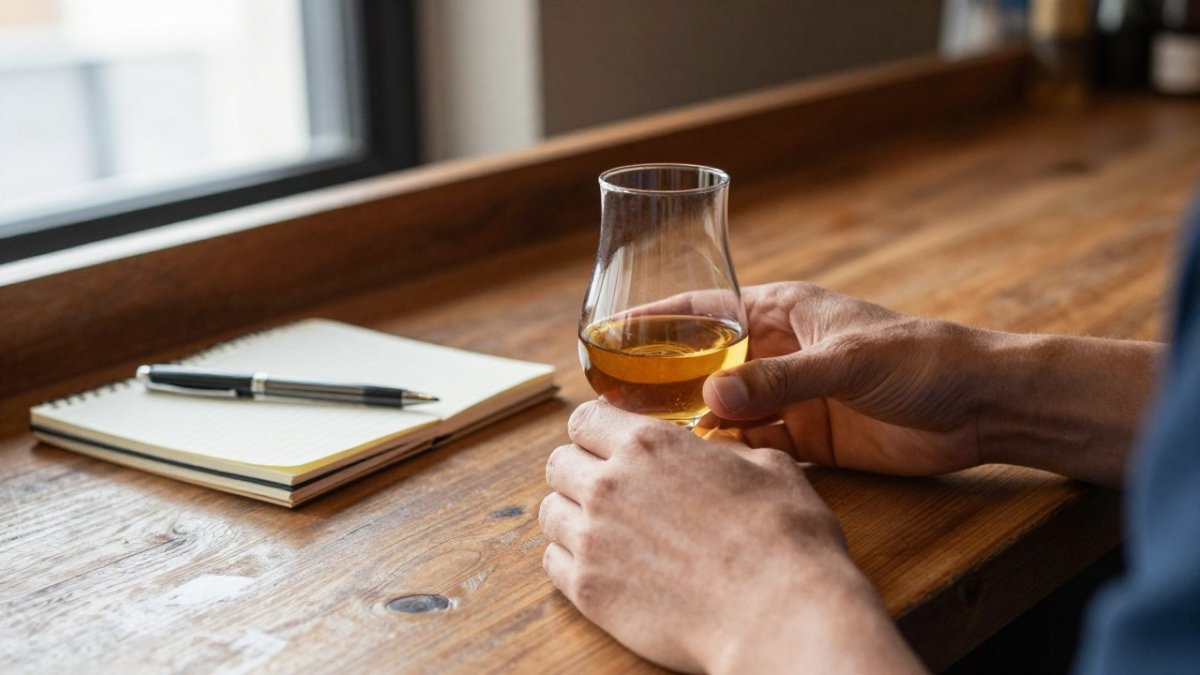
- Use a tulip-shaped tasting glass or a small wine glass; a wide tumbler lets aroma escape
- Pour about half an ounce per sample
- Keep the tequila at room temperature; chilling mutes aroma
- Have water and plain crackers on hand to reset your palate between pours
- Taste lighter ages before darker ones, so tannin does not coat your palate first
Step 1, Appearance (10 seconds). Hold the glass against a white background. Note hue (pale gold, amber, copper, mahogany) and rim color. Record it, but treat it as a weak clue because coloring is permitted.
Step 2, Aroma, first pass (30 seconds). Smell without swirling. Write the first three words that come to mind. Then swirl gently and smell again. Note whether cooked agave, vanilla, caramel, spice or wood leads.
Step 3, Palate (one small sip). Let it coat your tongue. Note the initial flavor, the mid-palate, and the texture (thin, oily, syrupy). Pay attention to where tannin dries your mouth, usually the sides of the tongue and the cheeks.
Step 4, Finish (count it). After swallowing, count how many seconds the flavor lingers. Note what remains: sweet vanilla, drying oak, or a return of agave. Finish length is one of the clearest age signals.
Step 5, The agave-versus-oak split. This is the step most guides skip. Score two columns from 1 to 5:
- Agave column: cooked agave, honey, herbal, earthy, peppery, citrus
- Oak column: vanilla, coconut, caramel, toffee, clove, cinnamon, cedar, tannin
If the agave column scores low and the oak column scores high, the barrel is doing most of the work. If both score high, the tequila is well integrated. This split tells you more about quality than age alone.
Step 6, Score and record. Use a simple worksheet with these fields: bottle, age on label, appearance, aroma, palate, texture, finish length, agave score, oak score, overall 1 to 5. One line per field is enough. Over several tastings, patterns emerge that no chart can give you.
A side-by-side age comparison: pour three añejos of the same brand at different ages, if available. Taste in ascending age order. Note where the agave fades and where the oak takes over. Most tasters find the biggest jump between the youngest and middle bottle, not the oldest.
Serving notes: añejo is usually best neat. A small splash of water can open aroma in high-tannin bottles, but add it a few drops at a time. Avoid ice if you are evaluating age, because cold dulls the very notes you are trying to compare.
Watch out: palate fatigue sets in after about four samples. Reset with water and a cracker, and stop before your notes start repeating.
Choosing Your Next Añejo to Taste
Choosing a bottle depends on what you want from the glass. If you like smooth, dessert-like flavors, look for a mid-range añejo with clear caramel and vanilla. If you prefer a bolder, drier sip, a late añejo with more oak may suit you better.
Keep these points in mind as you shop:
- Check the label for the aging category, but remember that producers vary in their aging practices.
- Compare two bottles from the same brand to see how age changes the flavor.
- Taste with a notebook so you can track what you like over time.
For a tasting-focused experience, consider FIN Tequila, made from 100% de Agave in Jalisco, Mexico. For current pricing and availability, visit Tiburon Rum’s website.
Start with one bottle, one glass and one notebook. Taste the same añejo on three separate evenings and note what changes. That simple habit will teach you more about aging than any chart, and it makes every new bottle easier to judge.
Frequently Asked Questions
What are the tasting notes for añejo tequila?
Añejo tequila, aged at least one year and under three years in oak barrels, typically shows vanilla, caramel, toffee, cinnamon and dried fruit, with a softer agave presence than blanco. The exact notes depend on the barrel, the distillery and how long the spirit rested. Tasting it neat in a tulip-shaped glass helps you pick out the oak-driven aromas first, then the cooked agave underneath as the glass warms in your hand.
How long is extra añejo tequila aged?
Extra añejo tequila must be aged at least three years in oak barrels under Mexican standards, which makes it the longest-rested category. Because of the longer barrel time, extra añejo tends to show deeper color, more pronounced oak, and richer notes of cacao, dried fruit and tobacco. Age alone does not guarantee quality, so check the label and the producer’s aging details.
How should you drink añejo tequila?
Most people sip añejo neat at room temperature in a tulip or snifter-style glass, which concentrates the aromas. Take a small sip, let it coat your palate, and note whether vanilla, caramel or spice comes first. Adding a few drops of water can open up the nose, though you should avoid ice, which mutes the flavors that develop with age.
