
Table of Contents
- Mijenta Tequila vs Other Brands: What Sets Them Apart?
- Feature Comparison: Mijenta, G4, Lalo, and El Tesoro
- Tasting Notes: How Mijenta’s Flavor Profile Compares
- Production Methods: Highlands vs. Lowlands and Terroir
- How to Verify Authentic Tequila: A Buyer’s Checklist
- Best Additive-Free Tequila Brands for Sipping and Cocktails
- Which Tequila Should You Choose?
- Conclusion
- Frequently Asked Questions
Last Updated: September 6, 2026
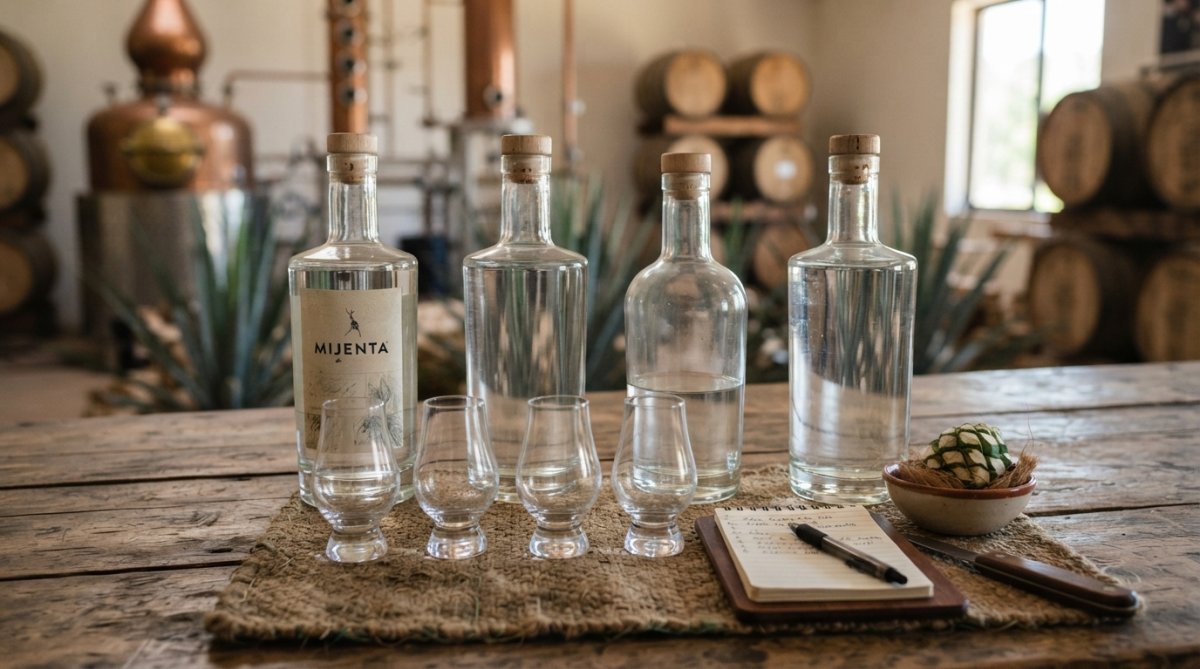
The tequila aisle has split into mass-produced bottles with artificial sweeteners and a growing wave of additive-free expressions. Mijenta tequila vs other brands in the authentic category often comes down to how strictly each producer adheres to traditional methods. This comparison from Tiburon Rum, which also offers FIN Tequila crafted from 100% de Agave in Jalisco, Mexico, examines four additive-free contenders side by side, breaking down production differences, tasting profiles, and how to verify what is actually in your bottle.
Here is the short version: Mijenta, G4, Lalo, and El Tesoro all produce quality additive-free tequila, but they serve different preferences. Mijenta leans into bright, fruit-forward complexity. G4 appeals to purists who want volcanic rock-filtered water and open-air fermentation. Lalo offers the cleanest, most minimalist blanco at a friendlier price. El Tesoro brings traditional aging depth that collectors value.
Mijenta Tequila vs Other Brands: What Sets Them Apart?
Mijenta distinguishes itself through small-batch production and a stated commitment to sustainability. The brand uses 100% agave and avoids additives, but what sets it apart is attention to the complete sensory experience, from bottle design to cooked agave sweetness on the palate.
Most guides treat all additive-free tequilas as interchangeable. They are not. The category splits between brands chasing a consistent commercial profile and those embracing natural variation from terroir and traditional fermentation. Mijenta sits firmly in the latter group, with a flavor profile emphasizing orchard fruit and citrus alongside herbal and cooked agave notes.
Feature Comparison: Mijenta, G4, Lalo, and El Tesoro
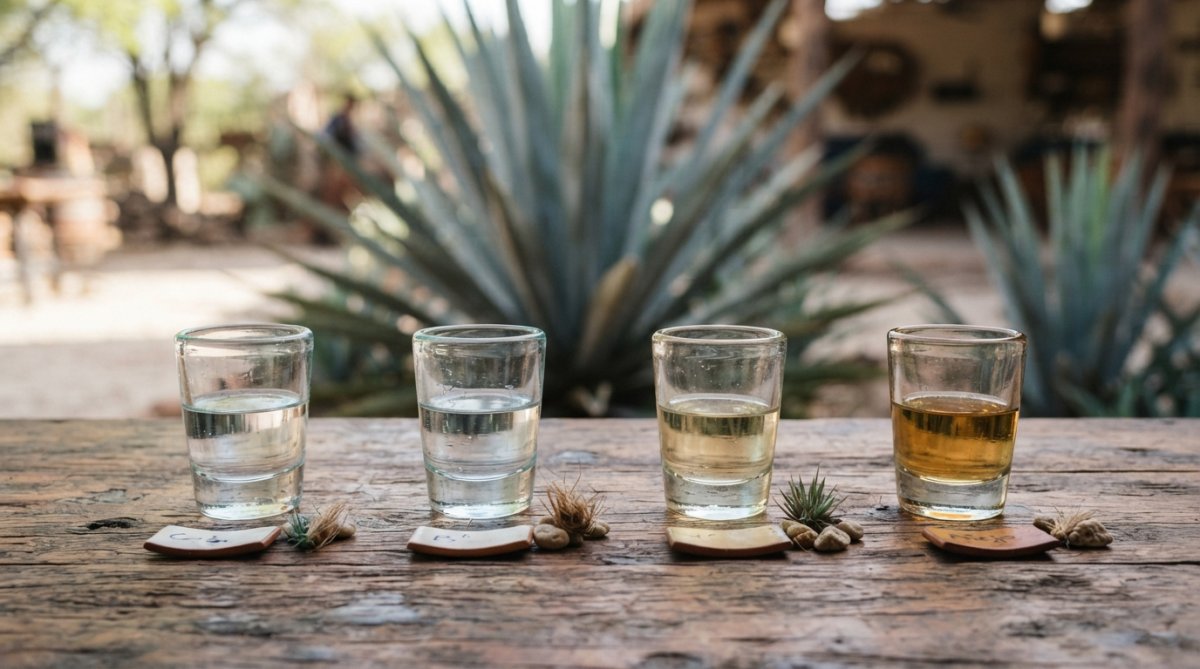
A direct comparison of production details reveals where each brand invests its effort. The table below summarizes the key differences across the four additive-free options.
| Feature | Mijenta | G4 | Lalo | El Tesoro |
|---|---|---|---|---|
| Agave Source | 100% agave | Estate-grown | 100% agave | Tahona-crushed |
| Core Expression | Blanco, Reposado | Blanco (flagship) | Blanco only | Blanco to Extra Añejo |
| Additive-Free | Yes | Yes | Yes | Yes |
| Production Method | Small-batch | Open-air wooden vat fermentation, copper pot stills | Minimalist, agave/yeast/water only | Traditional tahona process |
| Best For | Balanced sipping and cocktails | Purists seeking tradition | Clean, versatile blanco | Aged expression collectors |
G4 suits drinkers who value transparency in process, using traditional tahona and roller mill extraction. Lalo strips everything back to just agave, yeast, and water. El Tesoro offers the widest range, particularly for ex-bourbon barrel aging fans. Mijenta balances approachability with craft credentials, making it a strong entry point for the category.
Tasting Notes: How Mijenta’s Flavor Profile Compares
Flavor is where the differences become obvious. Mijenta delivers a rounded profile with agave sweetness up front, followed by citrus and gentle minerality that carries into a smooth finish. The mouthfeel is generous without being heavy, working well for both sipping and as a cocktail base.
G4 presents a more savory, earthy character from open-air fermentation, with pronounced cooked agave and a longer, more complex finish. Lalo is the most direct: bright, peppery, and crisp, with less overt sweetness and a clean, dry conclusion. El Tesoro blanco shows herbal and citrus notes with distinctive viscosity from tahona crushing, while aged expressions develop vanilla and baking spice from barrels.
The practical takeaway: for a tequila that pleases a crowd and pairs with food, Mijenta’s balance wins. For an intense agave education in a glass, G4 delivers more complexity. Lalo is the easy-drinking patio pour, and El Tesoro is the one to explore slowly.
Production Methods: Highlands vs. Lowlands and Terroir
Terroir shapes these spirits before distillation, but the highlands-versus-lowlands distinction is only the starting point. Agave grown in the highlands of Jalisco, typically above 1,500 meters (around 5,000 feet), matures slower due to cooler nights and intense sun, yielding higher sugar concentration and brighter, fruitier, more floral tequilas. Lowland agave grows faster and often produces earthier, more herbal profiles with deeper minerality.
Mijenta sources its agave from the highlands, which explains the orchard fruit and citrus notes in its profile. But the brand’s production choices are equally important. Mijenta uses a slow, low-pressure oven cooking process that preserves natural sugars and volatile compounds, preventing the caramelized, heavy notes from rapid, high-heat autoclave cooking. The cooked agave is then extracted using a roller mill, which separates juice from fiber without the bitterness of over-extraction.
Fermentation and distillation choices matter just as much as where the agave grows. G4’s open-air wooden vats introduce wild yeast character and greater complexity, while its water is filtered through volcanic rock, adding distinct minerality. El Tesoro’s tahona crushing, a massive stone wheel that crushes the cooked agave, extracts more flavor from the fiber, creating a richer body and more viscous mouthfeel. Lalo’s minimalist approach, using only agave, yeast, and water, results in a pure expression that lets the plant’s natural character dominate. Lalo also uses a combination of a diffuser and traditional methods, but the key is its commitment to no additives, no caramel coloring, and no sugar-based adjustments.
Understanding these production standards helps explain why two additive-free blancos can taste entirely different. Cooking method (brick oven vs. autoclave), extraction method (tahona vs. roller mill), fermentation vessel (wood vs. stainless steel), and yeast type (commercial vs. wild) all contribute to the final flavor. A tequila made with a tahona and open-air fermentation will have a more complex, earthy character than one made with a roller mill and controlled fermentation, even if both use highland agave. This is why a highland agave tequila like Mijenta can taste fruit-forward and clean, while another highland expression might be more savory and funky.
Don’t assume that all highland tequilas taste the same. The production process, cooking, extraction, fermentation, and distillation, has a more significant impact on flavor than geography alone. Two highland blancos can be as different as a crisp Sauvignon Blanc and a rich Chardonnay.
When you compare Mijenta to other brands, look beyond the agave source. Examine the cooking method, extraction process, and fermentation vessel. These details separate a well-crafted tequila from a mass-produced one, and they determine whether you get a bright, fruit-forward spirit or a deep, earthy one.
How to Verify Authentic Tequila: A Buyer’s Checklist
Knowing how to verify authentic tequila protects you from misleading labels and artificial flavoring. Certification matters here. Tequila production is regulated by the Consejo Regulador del Tequila, and the NOM number on the bottle identifies the distillery where it was made (crt.org.mx). The official Tequila Regulatory Council standards require products labeled as tequila to meet specific production criteria.
Use this checklist before you buy:
- Confirm the bottle states 100% de Agave on the label
- Note the NOM number and research which distillery it corresponds to
- Check for an additive-free certification or a stated policy on additives
- Look for batch numbers and transparency about production methods
- Read the back label for agave sourcing region and cooking method details
- Be wary of bottles that list flavors, caramel coloring, or sugar syrup on the label
A NOM number alone does not guarantee additive-free production. Many commercial brands use the same distilleries as premium labels. The NOM verifies location, not quality. Look for independent certification or a public additive-free statement from the producer.
Best Additive-Free Tequila Brands for Sipping and Cocktails
For most drinkers, the best additive-free tequila brands balance flavor integrity with versatility. But to choose the right bottle for your bar, you need to understand the cocktail chemistry at play, why certain flavor profiles work in a Margarita but clash in a Paloma. Most guides miss this angle: they tell you a tequila is “great for cocktails” without explaining the mechanism.
The Margarita Mechanism: A classic Tommy’s Margarita is a test of agave purity. With only tequila, lime juice, and agave nectar, the spirit’s natural sweetness and acidity are front and center. Mijenta works beautifully here because its rounded profile, agave sweetness up front, followed by citrus and gentle minerality, mirrors and amplifies the lime’s acidity without needing added sugar. The mouthfeel is generous enough to carry the shake, creating a silky texture that commercial brands with added glycerin try to mimic artificially. In contrast, a high-ester, funky tequila like G4 can overpower the lime, making the drink taste more savory than bright.
The Paloma Problem: The Paloma, with its grapefruit soda base, is a different beast. The bitterness of the grapefruit requires a tequila with enough structure to stand up to it. Lalo’s crisp, peppery profile is an ideal match because its high acidity and black pepper notes cut through the soda’s sweetness, creating a refreshing, balanced highball. A fruit-forward tequila like Mijenta can get lost in a Paloma, its delicate citrus notes overwhelmed by the grapefruit. For a Paloma, you want a dry, peppery finish, not a sweet one.
Sipping vs. Mixing: A Practical Guide
- Mijenta: Best for spirit-forward cocktails where agave sweetness is the star, such as a Tommy’s Margarita or a Tequila Sour. Its smooth finish also makes it an excellent sipping tequila for those new to additive-free expressions.
- G4: Rewards slow sipping, where its layers of cooked agave and minerality unfold. In cocktails, it shines in a stirred drink like a Tequila Old Fashioned, where its earthy complexity can stand up to bitters and a sugar cube.
- Lalo: The ultimate highball tequila. Its clean, crisp profile is perfect for a Ranch Water (tequila, lime, and Topo Chico) or a Paloma, where its peppery edge adds structure. It’s also a great choice for a Margarita if you prefer a drier, less sweet result.
- El Tesoro Blanco: A bartender favorite for its body and viscosity, which comes from tahona crushing. This body holds up beautifully in a shaken Margarita, providing a rich texture. The aged expressions, however, are better reserved for neat pours, where the barrel influence can be appreciated without being masked by citrus.
Food Pairing: The Missing Link
A common mistake is assuming additive-free tequilas are too delicate for cocktails or food. In practice, a well-made blanco without additives often outperforms commercial options because the agave flavor cuts through rather than getting lost. Here’s how to pair these tequilas with food:
- Mijenta’s fruit-forward profile pairs exceptionally well with ceviche, grilled shrimp, or fish tacos. The citrus notes in the tequila echo the lime in the dish, while the agave sweetness balances the heat of a chili-lime seasoning.
- G4’s earthy, savory character is a natural match for carnitas, al pastor, or mushroom-based dishes. The umami in the food complements the cooked agave and mineral notes in the tequila.
- Lalo’s crisp, peppery finish cuts through rich, fried foods like chiles rellenos or crispy tacos. Its high acidity acts as a palate cleanser, preparing you for the next bite.
- El Tesoro’s aged expressions pair well with grilled steak or dark chocolate, where the vanilla and baking spice notes from the barrel complement the char and cocoa.
When building a cocktail with an additive-free tequila, taste the spirit neat first. If it has a strong peppery finish (like Lalo), it will stand up to bitter or spicy mixers. If it has a sweet, fruit-forward profile (like Mijenta), use it in drinks that need less added sugar. This simple check will guide your cocktail choices better than any recipe.
By understanding the flavor mechanics of each tequila, you can make informed choices that elevate both sipping and mixing. The goal is not to find one “best” tequila, but to match the right bottle to the right occasion.
Which Tequila Should You Choose?
Your choice comes down to how you plan to drink it. For one bottle that handles both sipping and cocktails with crowd-pleasing balance, Mijenta is the strongest all-rounder. If you prioritize traditional production methods and want to taste the influence of open-air fermentation, G4 is the purist’s pick. For a clean, straightforward blanco at excellent value, Lalo is hard to beat. Collectors and aged-spirit fans should look to El Tesoro’s range.
When comparing tequilas side by side, taste them in the same glassware at room temperature. Adding ice or chilling masks the subtle differences in mouthfeel and finish that separate these brands. A small Glencairn or rocks glass works best for evaluating aroma and palate.
Conclusion
Finding your ideal tequila requires looking past marketing claims to production reality. The four brands covered here all respect the agave, but they express it differently, and your preference for fruit-forward balance, earthy complexity, or clean simplicity will guide the decision. For those exploring authentic, additive-free spirits, the same care that goes into selecting agave applies to other categories, including rum. Tiburon Rum applies that handcrafted standard to its molasses-based expressions, aged in bourbon barrels in Belize, and offers FIN Tequila made from 100% de Agave in Jalisco for those who want a verified, quality pour. Explore the additive-free tequila certification guidelines before your next purchase, and choose a bottle that matches how you actually drink. Get started with Tiburon Rum and taste the difference that transparent production makes.
Frequently Asked Questions
Is Mijenta Tequila of good quality?
Yes, Mijenta is widely regarded as a high-quality, additive-free tequila. It is produced in small batches in Jalisco using 100% blue weber agave. The brand is known for its artisanal approach, including a proprietary yeast blend that contributes to a unique flavor profile. Its commitment to sustainability and transparency, along with positive reviews from spirits competitions, supports its reputation as a premium option in the additive-free tequila market.
Which tequila is better, Lalo Blanco or Mijenta Blanco?
Both Lalo and Mijenta are excellent additive-free blancos, but they offer different experiences. Lalo is a minimalist expression that focuses on a pure, clean agave flavor with a bright, peppery finish, often at a slightly lower price point. Mijenta’s Blanco is more complex, with notes of citrus, olive, and cooked agave, offering a rounder mouthfeel. Your choice depends on preference: choose Lalo for purity and value, or Mijenta for added complexity and a richer palate.
What makes Mijenta Tequila unique in terms of production process?
Mijenta stands out due to its meticulous, small-batch production process and transparency. They use a custom-developed yeast strain for fermentation, which imparts distinctive fruity and floral notes. The tequila is crafted in Jalisco using 100% de Agave, with a focus on traditional methods. Furthermore, Mijenta is certified additive-free and emphasizes sustainable practices, from using recycled materials in packaging to supporting local communities, setting it apart from many mass-market producers.
How does Mijenta Tequila compare to mass-market brands like Patrón?
The primary difference is the production philosophy and resulting flavor. Mass-market brands often use diffusers for faster extraction and may rely on additives to create a consistent taste profile. Mijenta, as an additive-free tequila, uses traditional methods like stone or roller mill extraction and allows the natural agave character to shine. This results in a more complex, terroir-driven flavor with herbal and citrus notes, compared to the smoother, more uniform profile of many commercial brands.
What are the key differences between Mijenta and other sustainable tequila brands?
While many brands now claim sustainability, Mijenta integrates it deeply into its operations. This includes using lightweight, recycled glass bottles, solar energy in their distillery, and a program that repurposes agave waste. They also focus on social sustainability by supporting local education and community projects in Jalisco. When comparing to other sustainable brands, check for third-party certifications and specific details about their environmental and social initiatives, as practices vary significantly in scope and impact.