
Table of Contents
- Why Drinkers Seek Copalli Rum Alternatives
- Sustainable Craft Rum Brands Worth Exploring
- 1. Dakabend Rum: Oaxacan Artisanal Methods
- 2. St. George Spirits California Agricole Rum
- 3. Greenbar Distillery CRUSOE: Best Organic White Rum
- 4. Kō Hana Distillers Kea Rum: Hawaiian Terroir
- 5. Old Sugar Distillery Cane & Abe: Domestic Brown Sugar Cane
- 6. Dented Brick Craft Rum: Balanced Mixing Spirit
- How to Choose a Copalli Rum Alternative
- Frequently Asked Questions
Last Updated: September 3, 2026
When you’ve discovered a spirit that resonates with your palate, exploring alternatives might feel unnecessary. But the craft rum market has evolved dramatically. What started as a niche pursuit has become a thriving movement where distillers across the country are pressing fresh sugarcane, aging in innovative barrels, and building brands around genuine sustainability commitments. For those seeking Copalli rum alternatives, the real question isn’t whether better options exist, it’s which craft spirits align with your specific priorities around flavor, production methods, and environmental impact.
This guide from Tiburon Rum explores the landscape of premium craft rums that share Copalli’s commitment to artisanal methods and terroir-driven production. We’ve analyzed distillation techniques, ingredient sourcing, and brand philosophies to help you discover your next favorite spirit. Whether you’re drawn to fresh-pressed sugarcane juice profiles, oak-aged complexity, or organic certifications, the alternatives below represent the best of what’s available today.
Why Drinkers Seek Copalli Rum Alternatives
Copalli built its reputation on fresh-pressed sugarcane juice, small-batch production, and environmental stewardship in Belize. But seeking alternatives doesn’t mean you’ve outgrown the brand, it often means you’re ready to explore how different distillation methods, aging processes, and terroir expressions create entirely different spirit profiles.
The craft rum market has fragmented into distinct schools of thought. Some distillers use fresh sugarcane juice to create grassy, vegetal notes. Others embrace molasses-based production with extended aging for complexity. Still others experiment with heirloom sugarcane varieties, non-GMO fermentation, and regional terroir expressions that wouldn’t have been possible a decade ago.
Drinkers exploring alternatives typically fall into several camps: mixologists who need spirits that hold their own in complex cocktails, sippers who want to understand how climate and fermentation shape the final product, conscientious consumers verifying that sustainability claims translate into actual conservation outcomes, and collectors who view craft spirits as expressions of place and method.
Sustainable Craft Rum Brands Worth Exploring
Real sustainability in rum production involves three elements: agricultural practices that regenerate soil, water management that doesn’t strain local aquifers, and community relationships where workers and farmers benefit directly from brand success.
The best craft rum brands track these metrics transparently. They publish reports on water usage, partner with named conservation organizations, and tie brand revenue directly to environmental outcomes. When evaluating sustainable brands, look for specific commitments rather than vague promises. A brand stating “we’ve planted 50,000 trees in partnership with [named organization]” makes a measurable claim. A brand simply saying “we care about the environment” does not.
Tiburon Rum, for instance, structures every bottle sale around marine conservation in Belize. That specificity means drinkers can verify outcomes and the brand has accountability built into its model. When exploring Copalli alternatives with sustainability as a priority, seek brands with similar transparency.
1. Dakabend Rum: Oaxacan Artisanal Methods
Dakabend sources high-mountain heirloom sugarcane varieties from Mexico’s cloud forests and uses small mezcal pot stills with 12-hour distillation cycles (peer-reviewed research). Mountain-grown sugarcane develops different chemistry than lowland varieties, creating mineral complexity and less simple sweetness.
Dakabend Blanco: Fresh-Pressed Sugarcane
This unaged expression distills fresh sugarcane juice at 51% ABV, delivering intense vegetal and grassy notes. The terroir expression is distinct: volcanic soil composition and higher elevation create a cane with mineral complexity. When fermented slowly, you capture flavors that don’t exist in Caribbean rums, fresh-cut grass, mineral salts, and subtle vegetal undertones reminiscent of premium rhum agricole from Martinique.
The 51% ABV works well for neat consumption or stirred cocktails. For home mixologists building spirit-forward drinks, Dakabend Blanco serves as an excellent base where the rum becomes a structural element rather than background player.
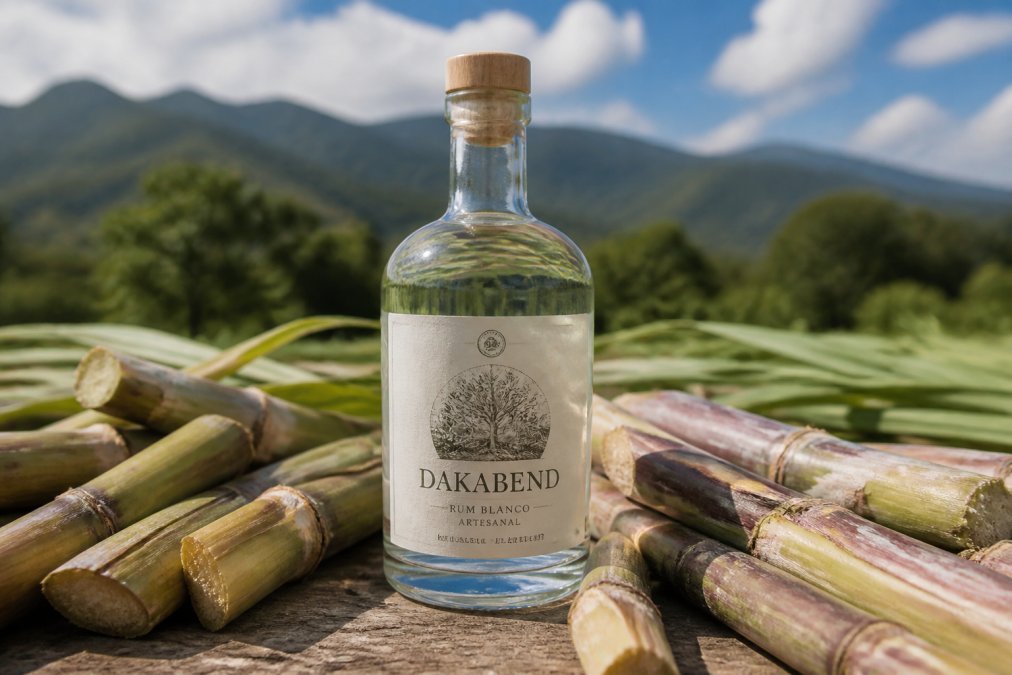
Production remains extremely limited at only 270 bottles annually, reflecting the distillery’s commitment to slow production over volume.
Dakabend Añejo: Four-Year Oak Maturation
The Añejo expression demonstrates what happens when that vegetal base spirit undergoes four years of oak aging. The fresh-pressed character mellows into something richer and more structured, with notes of spiced vanilla, caramel, and oak. Warm-climate acceleration means the wood extracts happen faster than in temperate zones, producing genuinely complex aged spirits without the 12-15 year aging cycles that North American whiskey demands.
The Dakabend Añejo suits drinkers who want terroir expression and production authenticity but prefer the smoothness that oak aging provides.
2. St. George Spirits California Agricole Rum
St. George Spirits distills fresh sugarcane juice grown in California using a copper pot still, bottling the result at 43% ABV unaged. This applies rhum agricole methodology to domestic sugarcane. The Central Valley terroir produces grassy profiles with pronounced mineral complexity and freshness suggesting green plants and morning dew rather than tropical heat.
The copper pot still distillation contributes significantly to final spirit character. Pot stills produce heavier congeners and more complex flavor compounds than column stills (peer-reviewed research). The 500-liter still size means each batch receives individual attention, allowing adjustments based on how each batch develops.
At 43% ABV, this spirit is more approachable for sipping neat but requires careful handling in cocktails to avoid overwhelming the delicate vegetal character. The spirit has won recognition including a Good Food Award and placement in the Ministry of Rum Tasting Competition. zero proof rum.
3. Greenbar Distillery CRUSOE: Best Organic White Rum
Greenbar Distillery approaches rum production through organic certification. CRUSOE White Rum uses certified organic molasses and sugarcane combined with hand-crushed spices and California orange zest. Micro-oxygenation accelerates oxidation and flavor integration without requiring extended aging.
The commitment to verifiable organic standards matters because it constrains production choices. Organic distillation cannot rely on synthetic pesticides, chemical fertilizers, or industrial shortcuts. The spice infusion, allspice, cinnamon, clove, nutmeg, vanilla, creates a spirit with genuine complexity. Combined with California orange zest, the result is a white rum with active flavor components shaping the drinking experience.
Greenbar Distillery operates in Los Angeles under strict California environmental regulations, constraints that push toward more sustainable practices than many distilleries face (ca.gov).
4. Kō Hana Distillers Kea Rum: Hawaiian Terroir
Kō Hana Distillers produces Kea Rum by distilling freshly pressed heirloom Hawaiian sugarcane juice using agricole methodology, bottling at 80 proof (40% ABV) unaged. Heirloom sugarcane varieties adapted to volcanic soil and tropical climate develop different sugar profiles and flavor compounds than modern commodity cane. The result tastes distinctly Hawaiian with tropical fruit notes, cream undertones, and floral qualities.
At 40% ABV, Kea Rum is genuinely approachable for sipping neat. The flavor develops gradually on the palate with a creaminess suggesting aged spirit despite no wood contact. Hawaiian volcanic soil creates specific mineral profiles, equatorial climate drives rapid fermentation, and ocean air influences fermentation character. When you drink Kea Rum, you’re tasting the specific place where it was made.
5. Old Sugar Distillery Cane & Abe: Domestic Brown Sugar Cane
Old Sugar Distillery in Wisconsin produces rum from domestically-grown brown sugar cane, aged in American oak barrels. Brown sugar cane develops different chemistry than white varieties, with higher mineral content and different fermentation character. The aging process uses new and used American oak, creating heavily oaked profile with notes of brown sugar, maple syrup, vanilla, and oak.
At 43% ABV, Cane & Abe works for both neat consumption and mixing. The oak character remains prominent in cocktails. Cold climate aging happens more slowly than tropical distilleries, allowing more subtle flavor development and less aggressive oak with more integrated vanilla and caramel.
| Spirit | Origin | Production Style | Proof | Best For |
|---|---|---|---|---|
| Dakabend Blanco | Oaxaca, Mexico | Fresh-pressed, unaged agricole | 51% ABV | Vegetal complexity, terroir expression |
| Dakabend Añejo | Oaxaca, Mexico | Fresh-pressed, 4-year oak aged | 51% ABV | Aged agricole character, smooth finish |
| St. George California Agricole | California | Fresh-pressed, unaged agricole | 43% ABV | Domestic terroir, grassy profile |
| Greenbar CRUSOE | California | Organic white rum, spice-infused | Contact distillery | Organic certification, complexity |
| Kō Hana Kea | Hawaii | Heirloom cane, unaged agricole | 40% ABV | Hawaiian terroir, tropical notes |
| Old Sugar Cane & Abe | Wisconsin | Brown sugar cane, oak-aged | 43% ABV | Oak character, domestic production |
| Dented Brick Craft Rum | Utah-blended | Molasses-based, artesian water | 40% ABV | Smooth mixing spirit, approachability |
6. Dented Brick Craft Rum: Balanced Mixing Spirit
Dented Brick sources molasses-based rum from the US Virgin Islands, then blends and proofs it with artesian limestone-filtered water from Utah. This model allows focus on blending expertise and final product character. The base rum brings tropical character and molasses-forward flavor development while Utah artesian water contributes mineral profile and smoothness.
At 40% ABV, Dented Brick is genuinely approachable for sipping neat or in light cocktails. Notes of caramel, vanilla, and spice emerge without overwhelming the palate. The limestone filtering imparts subtle mineral character that distinguishes the final spirit from standard molasses rums.
How to Choose a Copalli Rum Alternative
Start by identifying your primary use case. If you’re building cocktails and need a spirit that holds character through dilution, spirits like Dakabend Blanco or St. George California Agricole deliver grassy, vegetal backbone. If you’re sipping neat and want smooth approachability, Kō Hana Kea or Dented Brick offer lower-proof options with developed flavor. If you prioritize aged complexity, Dakabend Añejo or Old Sugar Cane & Abe provide oak-forward character.
Next, consider production philosophy. Do you want fresh-pressed juice expressions capturing terroir? Look toward agricole-style spirits: Dakabend Blanco, St. George California Agricole, or Kō Hana Kea. Do you prefer molasses-based production? Dented Brick or Old Sugar Cane & Abe fit better. Do you want verifiable organic certification? Greenbar CRUSOE stands alone.
Finally, evaluate the sustainability story. Research how each brand connects production to environmental outcomes. Seek specificity, brands that name organizations they work with, quantify outcomes, and track progress over time indicate genuine commitment rather than marketing language.
The craft rum market has matured significantly. Copalli established a template for what premium, sustainably-focused rum production could achieve. The alternatives above represent how different distillers have interpreted that template, some following the agricole path, others embracing aged complexity, still others pioneering organic certification or domestic production.
At Tiburon Rum, we recognize that drinkers exploring alternatives aren’t abandoning quality, they’re expanding their understanding of what craft rum can be. Our molasses-based rum, distilled in a family-owned Belizean distillery and matured in bourbon barrels, brings the same commitment to handcrafted production and conservation impact. The White Tip expression at 92 proof offers the mixing versatility serious home mixologists demand, while our commitment to marine preservation in Belize ensures every bottle supports genuine environmental outcomes. Discover the difference that authentic craft and conservation commitment make, explore Tiburon Rum today.
Frequently Asked Questions
What makes copalli rum alternatives worth trying?
Copalli rum alternatives offer distinct flavor profiles, production methods, and sustainability commitments that appeal to different palates and values. Some use fresh-pressed sugarcane juice instead of molasses, others employ traditional pot still distillation, and many prioritize organic or environmental certifications. Exploring alternatives lets you discover spirits that match your specific taste preferences, whether you prefer grassy, vegetal notes from agricole-style rums or complex oak-aged profiles from bourbon barrel maturation.
How do sustainable craft rum brands compare in quality?
Sustainable craft rum brands vary widely in production methods and flavor complexity. Some, like Greenbar Distillery CRUSOE, emphasize organic certification and hand-crushed spice infusions. Others, such as Kō Hana Distillers, focus on terroir-driven spirits from heirloom sugarcane varieties. Quality depends on fermentation technique, distillation equipment (pot still vs. column still), and aging conditions. Award recognition from competitions like the Ministry of Rum Tasting or Good Food Awards provides third-party validation of craft quality across these sustainable producers.
What is the best organic white rum for cocktails?
Greenbar Distillery CRUSOE White Rum stands out as a certified organic option with complex spice and citrus notes from hand-crushed allspice, cinnamon, clove, nutmeg, vanilla, and California orange zest. Its micro-oxygenation technique creates depth suitable for craft cocktails. Both work well in mixed drinks, though CRUSOE provides more botanical complexity while Five Stories delivers crisp versatility.
How does molasses-based rum compare to sugarcane juice rum?
Molasses-based rum tends to produce darker, richer profiles with caramel, vanilla, and spice notes, ideal for sipping or aged expressions. Sugarcane juice rums (agricole-style) offer lighter, grassy, vegetal characteristics with tropical fruit aromatics, making them distinctive in cocktails. Fresh-pressed sugarcane rums like Dakabend Blanco or St. George Spirits California Agricole emphasize terroir and the pure cane flavor, while molasses rums like Old Sugar Distillery Cane & Abe deliver oak-forward, robust profiles. Your choice depends on whether you prefer the subtle complexity of fresh cane or the bold warmth of molasses.