
Table of Contents
- What Makes the Best Rum for Home Bar Stocking?
- The 8 Best Rum for Home Bar Bottles in 2026
- Essential Tiki Rum List: What Your Bar Needs for Tiki Cocktails
- Best Mixing Rum for Cocktails: Overproof, White, and Dark Compared
- How to Build a Home Bar on a Budget Without Sacrificing Quality
- Storage, Shelf Life, and Sustainability: What Serious Collectors Know
- Build Your Bar: Choosing the Right Bottles for Your Cocktail Style
- Conclusion
Last Updated: August 28, 2026
Building the best rum for home bar setup is one of the most rewarding projects a home mixologist can take on. The right selection depends on your cocktail style, palate, and how you balance versatility against character.
Quick Picks:
- Best Overall Sipping Rum: Tiburon Small Batch 8 Year Old Belize Rum, aged complexity with genuine craft credentials
- Best Overproof Mixer: Tiburon White Tip Belize White Rum, 92 proof, built for cocktails that need presence
- Best Budget-Friendly Option: Bacardi Superior White Rum, neutral, versatile, widely available
- Best Dark Rum for Depth: Gosling’s Black Seal, essential for Dark ‘n Stormy builds and rich cocktail bases
What Makes the Best Rum for Home Bar Stocking?
The best rum for home bar use covers at least three flavor profiles: light and clean for fresh cocktails, aged and complex for sipping or spirit-forward drinks, and dark or overproof for tiki builds and bold mixing. Diversity of style beats depth of inventory. The biggest mistake home bartenders make is buying duplicates, three similar aged gold rums leave you stranded when a recipe calls for a clean white or a funky Jamaican overproof.
Distillation Style: Pot Still vs. Column Still
Pot still rum is produced in traditional copper pot stills and retains more congeners and esters from fermentation, translating to more funk, fruit, and complexity. Jamaican rums like Appleton Estate are classic pot still expressions.
Column still rum produces a cleaner, lighter spirit with less ester content. Most white rums use column distillation, creating a neutral base that mixes cleanly without dominating the glass.
Many premium rums blend both methods. Pot still delivers funk and presence; column still provides a clean cocktail base.
Flavor Profile and ABV: What to Look For
ABV matters more than most people realize. Standard rum sits at 80 proof (40% ABV) (ttb.gov). Overproof expressions like Tiburon White Tip run at 92 proof (46% ABV) or higher and hold up in complex, dilution-heavy cocktails where standard-proof rum would disappear. Aged rums develop flavor through barrel contact, picking up vanilla, caramel, and oak. Unaged white rums preserve the raw character of fermented molasses or sugar cane juice. Rhum agricole, made from fresh sugar cane juice rather than molasses, has a grassy, vegetal terroir unlike anything else in the category.
The 8 Best Rum for Home Bar Bottles in 2026
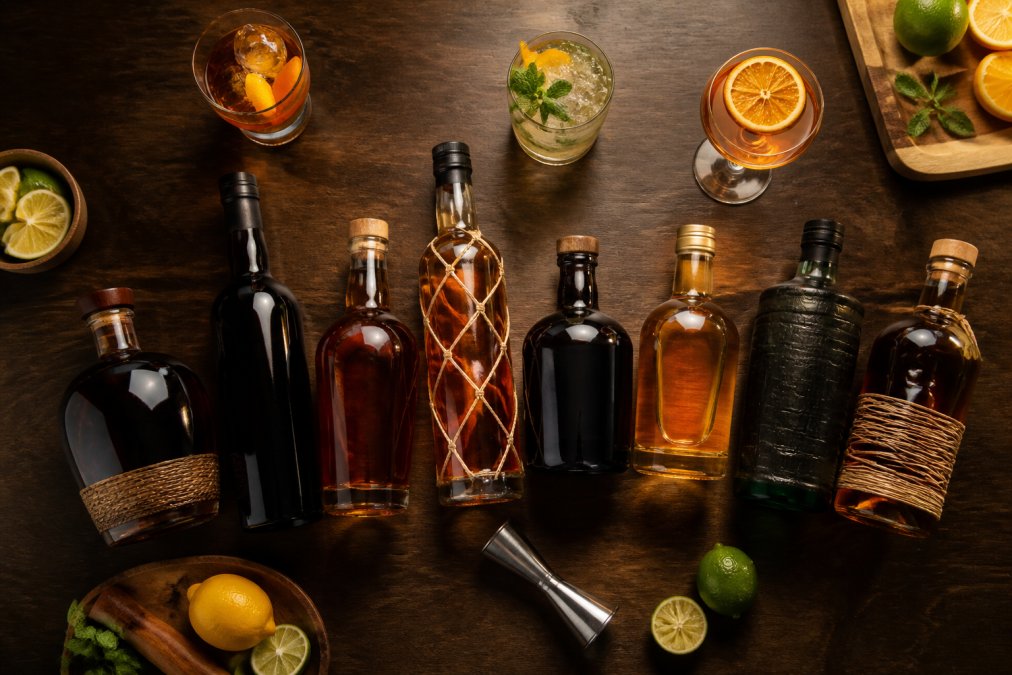
These eight bottles cover every mixing scenario a home bartender is likely to face, from a simple Daiquiri to a full tiki spread.
1. Tiburon Small Batch 8 Year Old Belize Rum
Tiburon Small Batch is an 8-year aged, molasses-based rum distilled in a family-owned Belizean distillery and matured in bourbon barrels. At 80 proof (40% ABV), it delivers tropical vanilla undertones, warm oak, and a finish that rewards both sipping neat and mixing. Belize’s warm Caribbean climate accelerates aging, allowing the spirit to pick up characteristics that might take a decade or more in cooler environments (peer-reviewed research).
Best for: Sipping neat, rum Old Fashioneds, and any cocktail where the rum should be the star.
Pros:
- Genuine small-batch craft production in a family-owned distillery
- Warm-climate aging delivers complexity beyond the age statement
- Supports marine conservation efforts in Belize with every purchase
- Versatile enough for cocktails, smooth enough for neat consumption
Cons:
- Availability varies by state due to shipping restrictions
- Not the right pick if you need a neutral, background-style mixing rum
Visit the Tiburon Rum website for current pricing and availability.
2. Tiburon White Tip Belize White Rum
Tiburon White Tip runs at 92 proof (46% ABV), which means it holds its own in citrus-heavy tiki builds where a standard 80-proof white would get washed out. It’s molasses-based, clean, and crisp, with enough character to add depth without muddying the flavor profile.
Best for: Daiquiris, tiki cocktails, infusions, and any recipe calling for an overproof white.
Pros:
- 92 proof delivers impact in complex, dilution-heavy cocktails
- Clean profile that mixes without clashing
- Good value for an overproof expression
Cons:
- Higher proof makes it less suited for sipping neat
- Availability varies by state
At 46% ABV, White Tip holds up in shaken cocktails where a standard-proof rum gets diluted into near-invisibility. Use it anywhere a recipe calls for “overproof white” and you won’t need a separate bottle.
3. Diplomatico Reserva Exclusiva
Diplomatico Reserva Exclusiva is a Venezuelan blend of pot and column still rums aged between 2 and 12 years. The aroma is caramel and baking spice; the mouthfeel is dense; the finish runs long with chocolate and tropical fruit. At 80 proof, it’s approachable for a rum Old Fashioned or spirit-forward cocktail where you want the rum to carry the drink.
Best for: Sipping neat or on the rocks, rum Old Fashioneds, and dessert cocktails.
Pros:
- Complex, layered flavor profile from extended aging
- Smooth and easy for rum newcomers
- Highly regarded by professional bartenders
Cons:
- High sugar content from sweetening won’t appeal to purists
4. Appleton Estate Signature Blend
Appleton Estate Signature Blend is a Jamaican rum with distinctive funk (high ester content from pot still distillation) that makes it irreplaceable in tiki cocktails. This expression blends rums aged 5 to 10 years, with aromas of molasses, brown sugar, and maple, balanced by citrusy, nutty flavors. The funk is exactly what a proper Mai Tai or Planter’s Punch needs.
Best for: Classic tiki cocktails, Mai Tais, Planter’s Punches, and any recipe calling for Jamaican rum.
Pros:
- Authentic Jamaican character with genuine ester-driven complexity
- Aged blend adds depth without excessive sweetness
- Widely available and consistently priced
Cons:
- Distinctive funk is polarizing, not for those who prefer clean, neutral rums
5. Flor de Caña 7 Year Gran Reserva
Flor de Caña 7 Year Gran Reserva is a mahogany-hued rum aged seven years in bourbon barrels, with notes of toasted coconut, vanilla, and figs. Crucially, it contains no added sugar, the flavor is earned through barrel contact, not supplemented afterward. This rum is certified carbon neutral and fair trade.
Best for: Sipping with sparkling water and citrus, Flor Old Fashioneds, and general aged rum mixing.
Pros:
- No added sugar, flavor is purely from fermentation and aging
- Sustainably produced with verified certifications
- Versatile for both sipping and mixing
Cons:
- May feel less immediately impressive than sweeter aged rums for first-time sippers
6. Gosling’s Black Seal
Gosling’s Black Seal is a Bermuda black rum with deep molasses, caramel, vanilla, and warm spice. Famous as the foundation of the Dark ‘n Stormy, its use cases extend to any recipe calling for a dark rum with backbone, Zombies, Painkillers, dark rum punches. The strong molasses character is the point. categorize spirits.
Best for: Dark ‘n Stormy, Zombie, Painkiller, and any cocktail requiring a bold, dark rum base.
Pros:
- Iconic dark rum with a distinctive, memorable profile
- Essential for a specific category of classic cocktails
- Widely available and consistently priced
Cons:
- Heavy molasses flavor limits versatility outside dark rum applications
7. Mount Gay Eclipse
Mount Gay Eclipse is one of the most reliable everyday mixing rums available. Produced in Barbados using sugarcane and coral-filtered water, then aged in American oak barrels, it delivers vanilla, banana, and toasted oak at 80 proof. Mount Gay has been distilling rum since at least 1703, making it one of the oldest rum producers in the world.
Best for: Everyday cocktail mixing, Rum and Coke, simple tropical drinks, and introductory sipping.
Pros:
- Versatile and approachable for many cocktails
- Smooth flavor profile that won’t overpower mixed drinks
- Backed by centuries of distilling tradition
Cons:
- Lacks the depth needed for serious neat sipping
8. Bacardi Superior White Rum
Bacardi Superior is the most neutral option on this list. Aged 1 to 2 years in oak barrels, then charcoal filtered for a clean, light-bodied profile, it’s the default choice for Mojitos, Daiquiris, and any cocktail where you want the rum to stay in the background. Widely available at an accessible price point, it’s the right answer for beginners and high-volume mixing.
Best for: Mojitos, Daiquiris, rum punches, and high-volume home bartending.
Pros:
- Extremely neutral and versatile for mixing
- Widely available at accessible price points
- Clean profile that doesn’t clash with other ingredients
Cons:
- No real complexity for sipping neat
- Some palates find it too subtle even in cocktails
Essential Tiki Rum List: What Your Bar Needs for Tiki Cocktails
Tiki cocktails are the most demanding rum application a home bartender faces. They typically call for multiple rums in a single drink, each contributing a different layer of flavor. A proper essential tiki rum list covers at least three categories.
| Rum Type | Role in Tiki Cocktails | Recommended Bottle |
|---|---|---|
| Overproof White | Backbone and proof | Tiburon White Tip (92 proof) |
| Aged Jamaican | Funk and complexity | Appleton Estate Signature Blend |
| Dark/Black Rum | Depth and color | Gosling’s Black Seal |
| Aged Sipping Rum | Depth in split-base builds | Tiburon Small Batch 8 Year |
The split-base technique, using two or three rums in a single cocktail, is standard tiki practice. A Zombie typically calls for a light rum, a Jamaican rum, and an overproof rum simultaneously.
A complete tiki arsenal requires at minimum: one overproof white, one Jamaican rum with genuine funk, and one dark rum with molasses depth. Everything else is optional.
Best Mixing Rum for Cocktails: Overproof, White, and Dark Compared
Overproof rum (46% ABV and above) is the choice for cocktails with significant dilution from citrus, ice, and modifiers. Tiburon White Tip at 92 proof is built specifically for this application.
Standard white rum (40% ABV) works well in lighter, more delicate cocktails where you want rum character without dominance. Bacardi Superior is the classic example.
Dark rum brings color, molasses depth, and a heavier mouthfeel. Gosling’s Black Seal adds visual drama and flavor intensity that lighter rums can’t replicate.
The real difference between a mediocre home bar and a great one often comes down to having the right rum for the right application.
How to Build a Home Bar on a Budget Without Sacrificing Quality
Building a home bar on a budget means being strategic about which bottles you buy first. Start with three bottles: one versatile white rum for everyday mixing (Bacardi Superior), one aged rum with genuine complexity (Tiburon Small Batch 8 Year), and one dark or overproof rum for cocktails that need depth or proof. That foundation handles the vast majority of classic rum cocktails. Add Appleton Estate when you’re ready to explore tiki, and Gosling’s when you want to build Dark ‘n Stormy-style drinks. Many well-priced expressions today outperform what cost twice as much a decade ago. The one mistake to avoid: buying an expensive aged rum before you’ve developed a palate for it.
Storage, Shelf Life, and Sustainability: What Serious Collectors Know
Once opened, rum begins a slow process of oxidation that softens sharper edges, which can be positive for young, aggressive rums and negative for complex aged expressions that lose their top notes over time.
Key storage principles:
- Store bottles upright, not on their side. Unlike wine, rum corks don’t need constant moisture contact.
- Keep bottles away from direct light and heat. UV exposure degrades flavor compounds, and temperature fluctuation causes contraction and expansion that pushes air through the cork.
- An opened bottle of rum is best consumed within 1 to 2 years for optimal flavor (the FDA). Unopened bottles, stored correctly, are shelf-stable indefinitely.
On sustainability: Flor de Caña’s carbon-neutral certification and Tiburon Rum’s commitment to Belize’s marine conservation are verifiable commitments with real environmental impact. Supply chain transparency is increasingly a baseline expectation for brands targeting environmentally conscious consumers.
Don’t store opened rum bottles near a stove or in a cabinet above the refrigerator. Heat cycling from appliances dramatically accelerates oxidation and can ruin a complex aged rum within months.
Build Your Bar: Choosing the Right Bottles for Your Cocktail Style
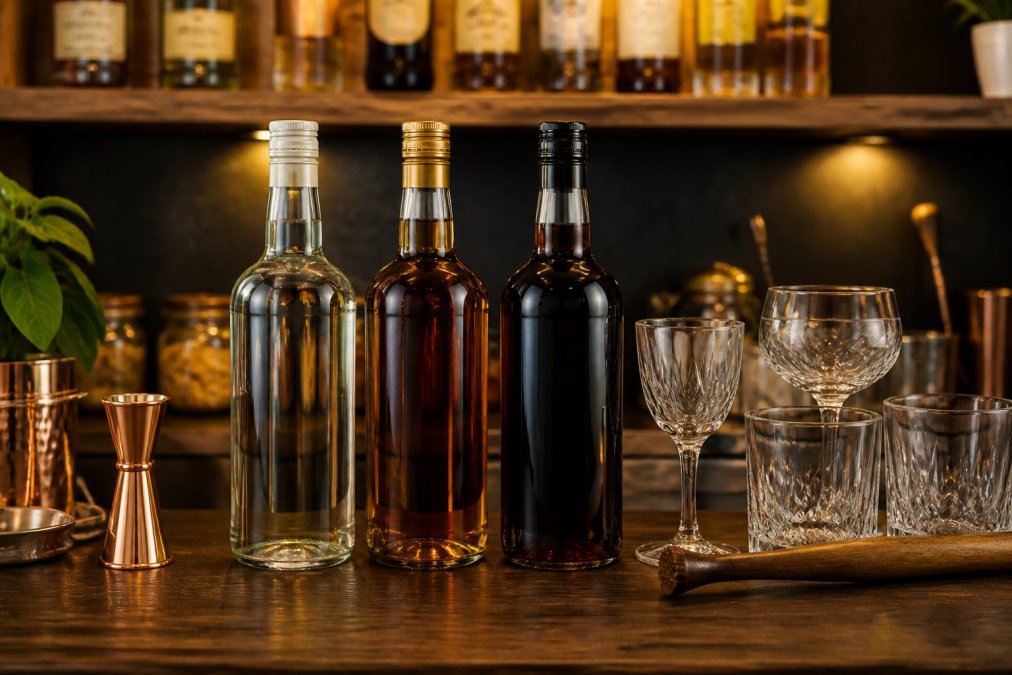
The right rum selection is personal. Use this framework to match your bottles to your actual drinking habits.
If you primarily make classic cocktails (Daiquiri, Mojito, Rum and Coke):
Start with Bacardi Superior and Tiburon Small Batch 8 Year. The white handles fresh, citrus-driven drinks; the aged rum handles spirit-forward classics and neat sipping.
If you’re building a tiki bar:
You need at minimum: Tiburon White Tip (overproof white), Appleton Estate (Jamaican funk), and Gosling’s Black Seal (dark depth).
If you’re a sipping-focused collector:
Prioritize Tiburon Small Batch 8 Year, Diplomatico Reserva Exclusiva, and Flor de Caña 7 Year. Each represents a different approach to aged rum.
If you’re just starting out:
One bottle of Bacardi Superior and one bottle of Tiburon Small Batch 8 Year is genuinely enough to get started.
| Cocktail Style | Priority White | Priority Aged | Priority Dark/OP |
|---|---|---|---|
| Classic cocktails | Bacardi Superior | Tiburon Small Batch 8 Year | Optional |
| Tiki builds | Tiburon White Tip | Appleton Estate | Gosling’s Black Seal |
| Sipping/collecting | Tiburon White Tip | Diplomatico Reserva | Flor de Caña 7 Year |
| Budget starter | Bacardi Superior | Tiburon Small Batch 8 Year | Mount Gay Eclipse |
A rotating shelf, where you finish one bottle before buying the next, teaches you more about rum than a fully stocked bar you never drink through.
Building the best rum for home bar setup takes time but doesn’t require a large budget or encyclopedic knowledge of distillation. Start with the right three bottles, understand what each style does, and build from there. Tiburon Rum’s Small Batch 8 Year and White Tip cover the two most critical bases, a genuine sipping rum and a high-proof mixer, while supporting conservation work that makes the purchase mean something beyond the glass. Visit tiburonrum.com to check current availability and get started with bottles that earn their place on your shelf.
Frequently Asked Questions
Do I need both white and dark rum for my home bar?
Yes, and for good reason. White rum handles light, citrus-forward cocktails like Daiquiris and Mojitos, where a clean, unaged profile lets other ingredients shine. Dark or aged rum brings molasses depth, vanilla, and caramel to cocktails like Dark 'n Stormys or Mai Tais. An overproof white rum, such as Tiburon White Tip at 92 proof, also doubles as a cocktail base that won't get buried in complex builds. Starting with one of each covers the best rum for home bar versatility.
What is the difference between molasses-based and cane juice rum?
Molasses-based rum, the most common style, is distilled from the byproduct of sugar refining. It tends toward richer, heavier flavor profiles with notes of caramel, vanilla, and dark fruit. Cane juice rum, often called rhum agricole, is distilled directly from fresh sugar cane juice. It produces a grassy, vegetal, and more terroir-driven spirit with lighter ester content. Both styles work well in cocktails, but they taste noticeably different, molasses rums generally offer more mouthfeel and funk, while cane juice rums lean fresher and more aromatic.
What is considered a top-shelf rum for a home collection?
Top-shelf rum typically means extended aging, careful distillation, and a flavor profile complex enough to sip neat. Bottles aged eight years or more in bourbon barrels, like Tiburon Small Batch 8 Year Old, develop vanilla, dried fruit, and smooth finish characteristics that distinguish them from standard mixing rums. Single estate and small batch releases also signal premium production. For a home collection, one quality aged sipping rum alongside a versatile overproof white gives you both ends of the spectrum without overcrowding your shelf.
Which rums are the smoothest to drink straight?
Smoothness when sipping neat comes from longer aging, warm-climate maturation, and barrel selection. Rums aged in bourbon barrels absorb vanilla and caramel notes that soften the spirit's bite. Warm climate aging accelerates interaction between the spirit and wood, producing characteristics that cooler-climate aging takes much longer to develop. Molasses-based rums aged seven years or more, including options like Flor de Caña 7 Year and Tiburon Small Batch 8 Year Old, consistently score well for neat sipping due to their full body and extended finish.
How many bottles do I actually need to stock a functional home bar?
Three bottles cover most situations: an overproof white rum for mixing, an aged dark rum for sipping and rich cocktails, and one Jamaican or funkier style rum for tiki builds. A fourth bottle, a budget-friendly unaged white for high-volume mixing, rounds out the essential arsenal without significant cost. Beyond that, additions like rhum agricole or a cask strength expression depend on your specific cocktail preferences. Prioritize versatility first; specialty bottles come once you know which styles you actually reach for.
This article was written using GrandRanker